THE ADVENTURE COLLECTIVE® · Independent discovery and booking for outdoor travel

A long, efficient day trip from Las Vegas that pairs desert art, New Deal engineering, and the Grand Canyon West Rim—perfect for visitors who want maximum views with minimal planning. Optional Skywalk and zipline upgrades let you tailor the thrill level.
A long, efficient day trip from Las Vegas that pairs desert art, New Deal engineering, and the Grand Canyon West Rim—perfect for visitors who want maximum views with minimal planning. Optional Skywalk and zipline upgrades let you tailor the thrill level.
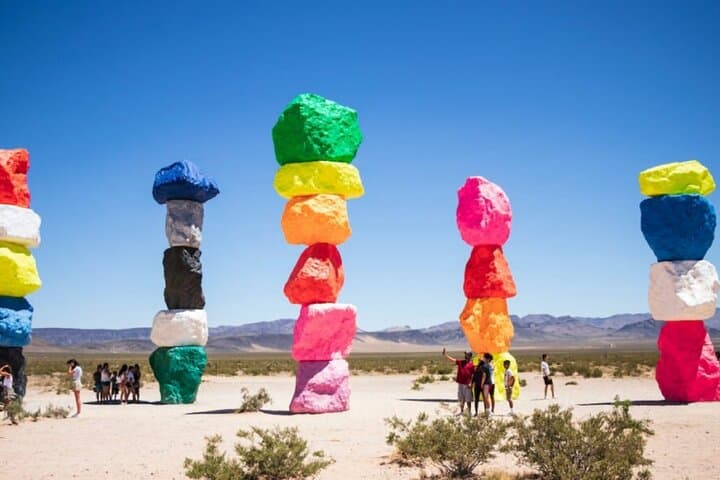
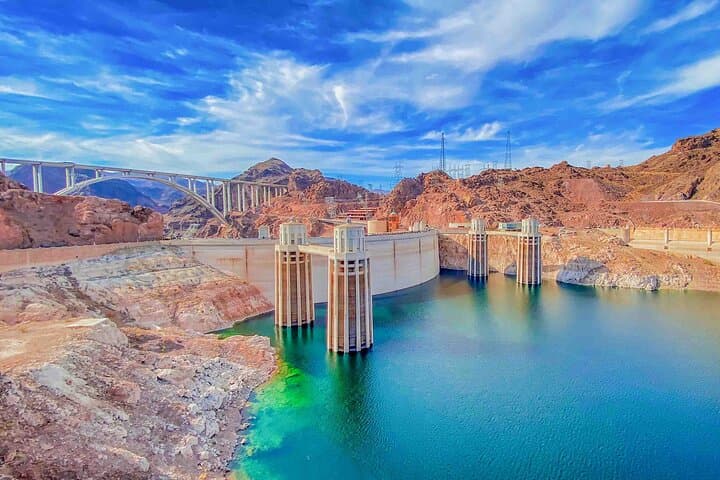
You climb aboard a 14‑seat Sprinter before dawn and the Las Vegas skyline slides behind you—heat shimmer to the west, neon cooling into distance. The first light finds you at the 7 Magic Mountains: seven stacked, painted boulders rising out of Mojave sand, a bright punctuation against empty sky. Later, the road bends toward the Hoover Dam's concrete flank; from the Mike O’Callaghan–Pat Tillman Memorial Bridge the Colorado River threads the canyon like a dark ribbon, and the dam’s scale reads in towers and shadow.
Verified experiences and guided adventures in the surrounding area.
Operated by Jupiter Legend Corporation · Las Vegas, Nevada
You climb aboard a 14‑seat Sprinter before dawn and the Las Vegas skyline slides behind you—heat shimmer to the west, neon cooling into distance. The first light finds you at the 7 Magic Mountains: seven stacked, painted boulders rising out of Mojave sand, a bright punctuation against empty sky. Later, the road bends toward the Hoover Dam's concrete flank; from the Mike O’Callaghan–Pat Tillman Memorial Bridge the Colorado River threads the canyon like a dark ribbon, and the dam’s scale reads in towers and shadow.
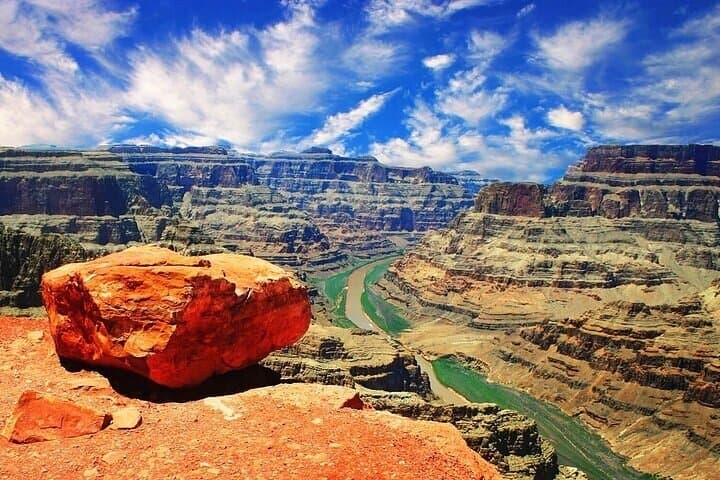
This tour stitches modern engineering and desert geology: Hoover Dam (completed 1936) reshaped the Colorado and the Southwest’s water story; Grand Canyon West sits on Hualapai tribal land and exposes layered sedimentary rock that records eons of uplift and erosion. Cultural elements are visible—Hualapai exhibits at Eagle Point and the working ranch vibe at Hualapai Ranch—while roadside art at 7 Magic Mountains speaks to contemporary desert interventions.
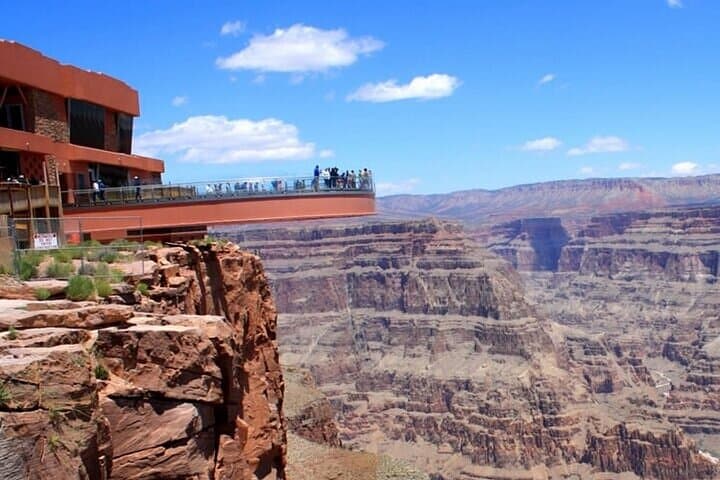
Expect a full day (11–12 hours) of short stops and a long visit at the West Rim—Eagle Point, Guano Point and optional Skywalk or zipline upgrades. Terrain at the rim is mostly paved viewpoints with some rocky short hikes at Guano Point; shade is sparse. Practicalities: bring sun protection, a refillable water bottle, and layers for wind off the rim. Guides handle logistics, shuttle riders between viewpoints, and provide boxed lunch and bottled water.
Timing matters—mornings and late afternoons give softer light for photos; summer afternoons bring extreme heat. Respect tribal regulations (no large bags on site, Skywalk rules) and carry out trash. The day is designed to maximize iconic views with minimal planning—ideal for first‑time visitors short on time but hungry for a broad sweep of Nevada and Arizona’s desert and engineering landmarks.
moderate.
11–12 hours.
Suitable for most travelers who can manage several short walks, stairs, and standing; expect a long day of travel.
No—the Skywalk is an optional paid upgrade; if you want it purchased in advance, select the add‑on when booking.
Yes—there are restroom stops, bottled water and a boxed lunch provided; expect short rest stops en route as well.
Yes—hotel pickup/drop‑off is provided for selected hotels; exact pickup details are confirmed by the operator before the tour.
Yes—zipline and Skywalk have age and weight or health restrictions and may require additional fees for passengers over specified weight limits; check operator rules before booking.
Hoover Dam, completed in 1936, transformed western water politics and electrification; Grand Canyon West lies on Hualapai tribal lands and includes cultural displays and hospitality rooted in tribal stewardship.
Visitors should stick to designated viewpoints, pack out trash, and honor tribal land rules; water conservation and respecting cultural sites help protect fragile desert ecosystems.
Jupiter Legend Corporation operates guided outdoor trips and adventures with an emphasis on safety, stewardship, and memorable experiences.
You climb aboard a 14‑seat Sprinter before dawn and the Las Vegas skyline slides behind you—heat shimmer to the west, neon cooling into distance. The first light finds you at the 7 Magic Mountains: seven stacked, painted boulders rising out of Mojave sand, a bright punctuation against empty sky. Later, the road bends toward the Hoover Dam's concrete flank; from the Mike O’Callaghan–Pat Tillman Memorial Bridge the Colorado River threads the canyon like a dark ribbon, and the dam’s scale reads in towers and shadow.
You climb aboard a 14‑seat Sprinter before dawn and the Las Vegas skyline slides behind you—heat shimmer to the west, neon cooling into distance. The first light finds you at the 7 Magic Mountains: seven stacked, painted boulders rising out of Mojave sand, a bright punctuation against empty sky. Later, the road bends toward the Hoover Dam's concrete flank; from the Mike O’Callaghan–Pat Tillman Memorial Bridge the Colorado River threads the canyon like a dark ribbon, and the dam’s scale reads in towers and shadow.
This tour stitches modern engineering and desert geology: Hoover Dam (completed 1936) reshaped the Colorado and the Southwest’s water story; Grand Canyon West sits on Hualapai tribal land and exposes layered sedimentary rock that records eons of uplift and erosion. Cultural elements are visible—Hualapai exhibits at Eagle Point and the working ranch vibe at Hualapai Ranch—while roadside art at 7 Magic Mountains speaks to contemporary desert interventions.
Expect a full day (11–12 hours) of short stops and a long visit at the West Rim—Eagle Point, Guano Point and optional Skywalk or zipline upgrades. Terrain at the rim is mostly paved viewpoints with some rocky short hikes at Guano Point; shade is sparse. Practicalities: bring sun protection, a refillable water bottle, and layers for wind off the rim. Guides handle logistics, shuttle riders between viewpoints, and provide boxed lunch and bottled water.
Timing matters—mornings and late afternoons give softer light for photos; summer afternoons bring extreme heat. Respect tribal regulations (no large bags on site, Skywalk rules) and carry out trash. The day is designed to maximize iconic views with minimal planning—ideal for first‑time visitors short on time but hungry for a broad sweep of Nevada and Arizona’s desert and engineering landmarks.