THE ADVENTURE COLLECTIVE® · Independent discovery and booking for outdoor travel

A single, full day that moves fast: climb the 5th-century fortress of Sigiriya, wander the painted caverns of Dambulla, and take a village jeep ride through the dry-zone landscape. Ideal for travelers based in Kandy who want history, views, and a shot at lowland wildlife.
A single, full day that moves fast: climb the 5th-century fortress of Sigiriya, wander the painted caverns of Dambulla, and take a village jeep ride through the dry-zone landscape. Ideal for travelers based in Kandy who want history, views, and a shot at lowland wildlife.
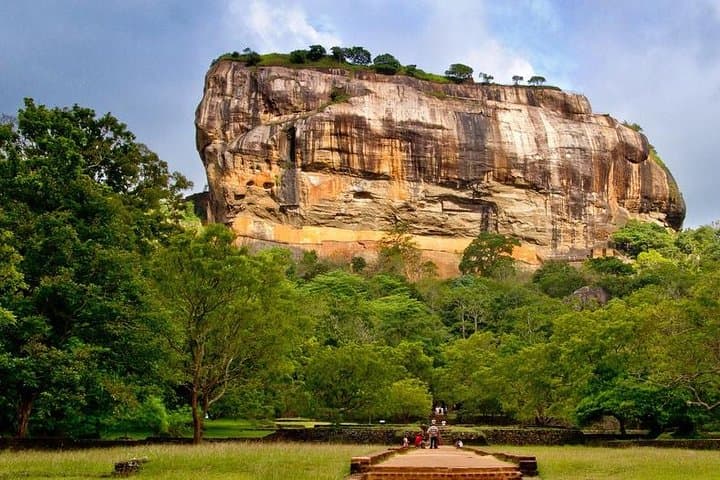
You arrive before dawn, the van easing out of Kandy’s humid streets and into a landscape that changes from tea terraces to scrubby dry-zone forest. Mist lifts from paddy fields; small villages stir. By the time Sigiriya’s flat-topped monolith slices the horizon, the first colors have already begun to burn in the eastern sky.
Verified experiences and guided adventures in the surrounding area.
Operated by Ceylon Tour Ways · Sigiriya, Central Province
You arrive before dawn, the van easing out of Kandy’s humid streets and into a landscape that changes from tea terraces to scrubby dry-zone forest. Mist lifts from paddy fields; small villages stir. By the time Sigiriya’s flat-topped monolith slices the horizon, the first colors have already begun to burn in the eastern sky.
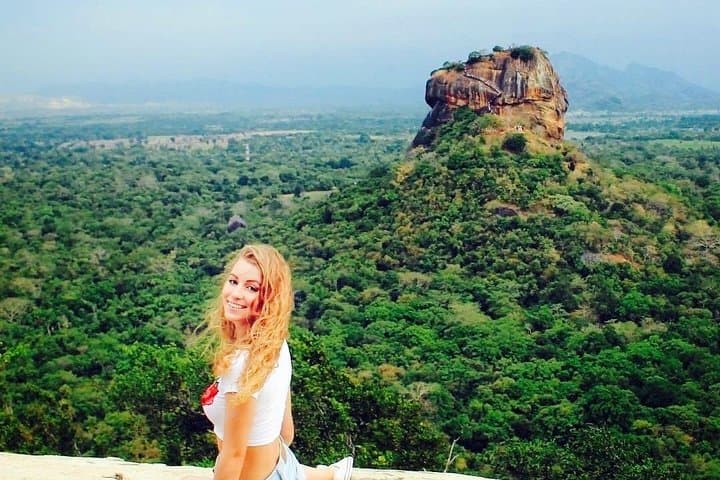
The climb feels like an argument with the rock: a steady series of iron staircases and ancient ramps that pull you upward past frescoes, the iron paws of the ruined lion gate, and finally onto the battered summit some 200 meters above the plain. From the top the countryside opens into a patchwork of tanks and jungle, an honest view of why this was a defensible site for King Kashyapa in the late 5th century CE.
Down the road, Dambulla’s cave temple complex tilts time inward. The golden reclining Buddha and wall-to-wall murals occupy cool, low caverns carved into volcanic rock. Monks have kept the shrines active for centuries; the painted surfaces date to multiple eras, layering Kandyan and earlier art traditions.
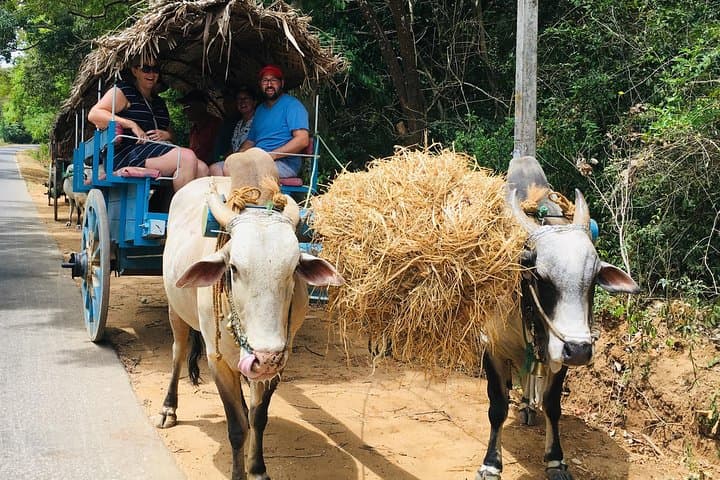
The day tour stitches together history and lowland ecology: a visit to Aluvihare’s rock temples, a stop at a Hindu shrine to listen to morning chants, and a village safari where narrow dirt tracks give way to a bouncy, off-road jeep run. Depending on the route and the season, you may skirt the edges of the reservoirs that draw elephants and spotted deer—animals that treat the lowland tanks like watering holes.
Practical edge: the advertised tour runs 6–10 hours and is private with hotel pickup from Kandy; admissions are not included. The Sigiriya ascent is steep and exposed—expect roughly 1,000 stairs and an elevation gain near 200 meters. Dambulla’s caves are low and cool but require stooping in places. Bring cash for entrance fees and a light lunch; local cafes serve rice-and-curry plates and fresh fruit.
Timing matters. Start early to beat heat and crowds at Sigiriya and plan an afternoon village/jeep section that takes advantage of softer light for photos. Footwear should be solid—grippy trainers or light hiking shoes—and a refillable water bottle is mandatory in the dry-zone sun. Respect the temples’ dress codes (shoulders and knees covered) and keep to paths; these sites are both archaeological and living religious centers.
For first-time visitors, this is a compact way to layer Sri Lanka’s wet-hill culture with its dry-zone history and wildlife prospects—an intense, doable day that gives you rhythm, context, and plenty of practical next stops for a longer stay.
moderate.
6–10 hours.
Comfortable walking fitness; able to climb ~1,000 stairs and stand for museum-style visits.
No—admissions to Sigiriya, Dambulla and some temples are not included; bring cash or card to purchase tickets at each site.
Plan 60–90 minutes for ascent and summit time depending on fitness and crowding; there are roughly 1,000 steps and an elevation gain near 200 meters.
Yes—this is a private tour and suitable for many ages, but the Sigiriya ascent can be strenuous for people with mobility limits; Dambulla is easier to access.
The village/off-road jeep section can encounter birds, monkeys, and occasionally elephants near reservoir edges, but sightings aren’t guaranteed.
Both Dambulla and Aluvihare expect modest dress—cover shoulders and knees; carry a scarf or sarong if needed.
Lunch is typically not included—most itineraries stop at a local restaurant where rice-and-curry or simpler options are available; bring cash for meals.
Sigiriya was converted into an elaborate rock fortress by King Kashyapa in the late 5th century CE; Dambulla’s cave temples have been an active Buddhist site since at least the 1st century BCE.
Tourism pressure and seasonal wildlife feeding have impacts—stay on marked paths, avoid plastic waste, and hire registered local guides to support sustainable livelihoods.
Ceylon Tour Ways operates guided outdoor trips and adventures with an emphasis on safety, stewardship, and memorable experiences.

You arrive before dawn, the van easing out of Kandy’s humid streets and into a landscape that changes from tea terraces to scrubby dry-zone forest. Mist lifts from paddy fields; small villages stir. By the time Sigiriya’s flat-topped monolith slices the horizon, the first colors have already begun to burn in the eastern sky.
You arrive before dawn, the van easing out of Kandy’s humid streets and into a landscape that changes from tea terraces to scrubby dry-zone forest. Mist lifts from paddy fields; small villages stir. By the time Sigiriya’s flat-topped monolith slices the horizon, the first colors have already begun to burn in the eastern sky.
The climb feels like an argument with the rock: a steady series of iron staircases and ancient ramps that pull you upward past frescoes, the iron paws of the ruined lion gate, and finally onto the battered summit some 200 meters above the plain. From the top the countryside opens into a patchwork of tanks and jungle, an honest view of why this was a defensible site for King Kashyapa in the late 5th century CE.
Down the road, Dambulla’s cave temple complex tilts time inward. The golden reclining Buddha and wall-to-wall murals occupy cool, low caverns carved into volcanic rock. Monks have kept the shrines active for centuries; the painted surfaces date to multiple eras, layering Kandyan and earlier art traditions.
The day tour stitches together history and lowland ecology: a visit to Aluvihare’s rock temples, a stop at a Hindu shrine to listen to morning chants, and a village safari where narrow dirt tracks give way to a bouncy, off-road jeep run. Depending on the route and the season, you may skirt the edges of the reservoirs that draw elephants and spotted deer—animals that treat the lowland tanks like watering holes.
Practical edge: the advertised tour runs 6–10 hours and is private with hotel pickup from Kandy; admissions are not included. The Sigiriya ascent is steep and exposed—expect roughly 1,000 stairs and an elevation gain near 200 meters. Dambulla’s caves are low and cool but require stooping in places. Bring cash for entrance fees and a light lunch; local cafes serve rice-and-curry plates and fresh fruit.
Timing matters. Start early to beat heat and crowds at Sigiriya and plan an afternoon village/jeep section that takes advantage of softer light for photos. Footwear should be solid—grippy trainers or light hiking shoes—and a refillable water bottle is mandatory in the dry-zone sun. Respect the temples’ dress codes (shoulders and knees covered) and keep to paths; these sites are both archaeological and living religious centers.
For first-time visitors, this is a compact way to layer Sri Lanka’s wet-hill culture with its dry-zone history and wildlife prospects—an intense, doable day that gives you rhythm, context, and plenty of practical next stops for a longer stay.