THE ADVENTURE COLLECTIVE® · Independent discovery and booking for outdoor travel

Make the long drive from Hurghada to Cairo in one well-orchestrated day: a private A/C vehicle, an Egyptologist guide, lunch, and time at the Egyptian Museum and Giza Plateau. Prepare for a very long but richly rewarding day among pharaohs.
Make the long drive from Hurghada to Cairo in one well-orchestrated day: a private A/C vehicle, an Egyptologist guide, lunch, and time at the Egyptian Museum and Giza Plateau. Prepare for a very long but richly rewarding day among pharaohs.
You leave Hurghada before dawn, the Red Sea slipping behind you as the road pushes inland and the desert stretches into a horizon of heat and stone. By midmorning the silhouette of Giza rises—three pyramids breaking the skyline like old guardians—while the Sphinx watches the slow procession of visitors.
Verified experiences and guided adventures in the surrounding area.
Operated by Egypt Private Trips · Cairo, Giza Governorate
You leave Hurghada before dawn, the Red Sea slipping behind you as the road pushes inland and the desert stretches into a horizon of heat and stone. By midmorning the silhouette of Giza rises—three pyramids breaking the skyline like old guardians—while the Sphinx watches the slow procession of visitors.
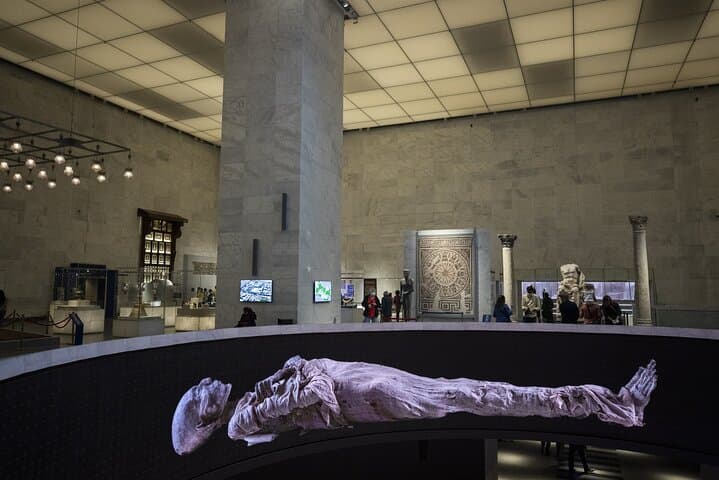
Cairo is a layer cake of history: Pharaonic monuments concentrated on the Giza Plateau, the 19th-century grandeur of downtown Cairo, and museum halls that keep millennia of artifacts—most famously the funerary treasures of Tutankhamun. Geologically, the plateau is limestone bedrock carved by quarrying and centuries of wind; the juxtaposition of millennia-old stone and modern asphalt is constant and striking.
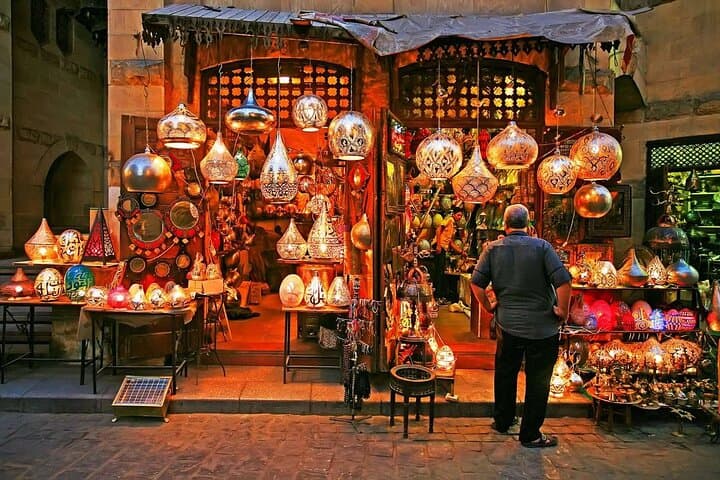
Local culture is immediate—vendors outside the pyramids, the call to prayer threading through traffic, and small museums (including perfume exhibits) that preserve craft traditions. A qualified Egyptologist guide adds context to the structures and funerary customs, turning monoliths into readable history.
Practical guidance: this is a long day (expect 14–16 hours door-to-door). Bring your passport, a paper copy, and comfortable walking shoes for uneven limestone paths. Hydrate well—the tour includes lunch and bottled water but carry extra fluids and sun protection. Wear layers for early-morning chill and afternoon heat; carry cash for tips and optional tickets. Confirm whether individual attraction entry fees are covered when you book. Expect plenty of walking at sites and significant time in an air-conditioned vehicle between Hurghada and Cairo.
easy.
14–16 hours.
Suitable for most fitness levels but requires endurance for a long day of driving and several hours of walking on uneven terrain.
Expect roughly 4–5 hours each way by A/C vehicle depending on traffic—plan for a full 14–16 hour day including site time.
Inclusions list lunch, water, pickup, A/C transfers, and an Egyptologist guide; confirm at booking whether museum or pyramid tickets are covered or paid locally.
The tour is listed as physically easy and allows infants (must sit on laps), but the long travel time can be tiring—plan breaks and bring snacks.
There may be short stops at local shops (perfume/papyrus); discuss timing with your guide if you want optional visits like Khan el-Khalili afterward.
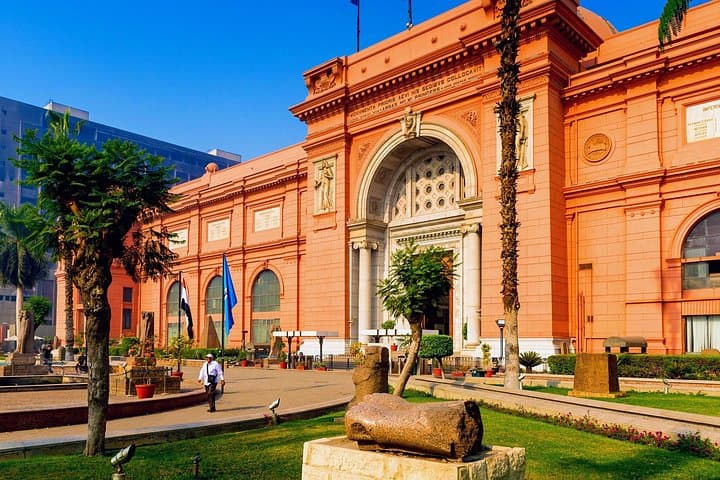
The Giza Plateau dates to the Fourth Dynasty (c. 2600–2500 BCE); the Egyptian Museum in central Cairo houses key finds from royal tombs, including Tutankhamun’s mask.
High visitor numbers strain fragile stone and surrounding desert ecology; stay on marked paths, avoid touching masonry, and use local guides who follow site rules.
Egypt Private Trips operates guided outdoor trips and adventures with an emphasis on safety, stewardship, and memorable experiences.
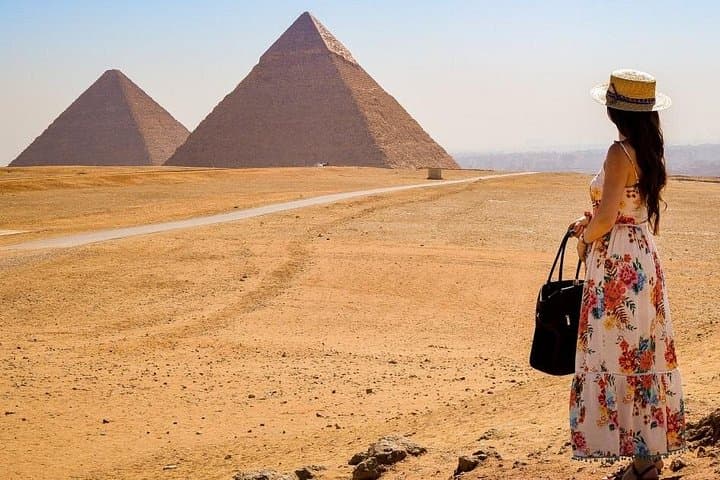
You leave Hurghada before dawn, the Red Sea slipping behind you as the road pushes inland and the desert stretches into a horizon of heat and stone. By midmorning the silhouette of Giza rises—three pyramids breaking the skyline like old guardians—while the Sphinx watches the slow procession of visitors.
You leave Hurghada before dawn, the Red Sea slipping behind you as the road pushes inland and the desert stretches into a horizon of heat and stone. By midmorning the silhouette of Giza rises—three pyramids breaking the skyline like old guardians—while the Sphinx watches the slow procession of visitors.
Cairo is a layer cake of history: Pharaonic monuments concentrated on the Giza Plateau, the 19th-century grandeur of downtown Cairo, and museum halls that keep millennia of artifacts—most famously the funerary treasures of Tutankhamun. Geologically, the plateau is limestone bedrock carved by quarrying and centuries of wind; the juxtaposition of millennia-old stone and modern asphalt is constant and striking.
Local culture is immediate—vendors outside the pyramids, the call to prayer threading through traffic, and small museums (including perfume exhibits) that preserve craft traditions. A qualified Egyptologist guide adds context to the structures and funerary customs, turning monoliths into readable history.
Practical guidance: this is a long day (expect 14–16 hours door-to-door). Bring your passport, a paper copy, and comfortable walking shoes for uneven limestone paths. Hydrate well—the tour includes lunch and bottled water but carry extra fluids and sun protection. Wear layers for early-morning chill and afternoon heat; carry cash for tips and optional tickets. Confirm whether individual attraction entry fees are covered when you book. Expect plenty of walking at sites and significant time in an air-conditioned vehicle between Hurghada and Cairo.