THE ADVENTURE COLLECTIVE® · Independent discovery and booking for outdoor travel

Escape Guilin for a day and step into Huangyao Ancient Town’s Ming and Qing streets. This practical guide orients you to the town’s history, what to see, and how to plan a comfortable day of walking and photography.
Escape Guilin for a day and step into Huangyao Ancient Town’s Ming and Qing streets. This practical guide orients you to the town’s history, what to see, and how to plan a comfortable day of walking and photography.
Morning light spills over Guilin as the van eases onto the highway and the karst peaks thin into rice terraces. Three hours from downtown, Huangyao Ancient Town waits like a lived-in film set: flagstone streets that remember traders’ footsteps, low-slung Ming and Qing residences, and bridges that arch over slow waterways daring you to cross.
Verified experiences and guided adventures in the surrounding area.
Operated by ETripChina · Huangyao Ancient Town, Guangxi
Morning light spills over Guilin as the van eases onto the highway and the karst peaks thin into rice terraces. Three hours from downtown, Huangyao Ancient Town waits like a lived-in film set: flagstone streets that remember traders’ footsteps, low-slung Ming and Qing residences, and bridges that arch over slow waterways daring you to cross.
Founded more than a millennium ago, Huangyao’s town plan and surviving architecture reflect centuries of regional trade and clan life. The buildings sit on weathered limestone and red-clay soils; the geology here has shaped narrow alleys that funnel cool air and bright reflections from canals. Local culture still shows in morning markets, ancestral halls, and occasional impromptu opera on the small stone stage.
Expect an exploratory day: wandering through over 300 historic houses, peering into An’le Temple, finding the Immortal Ancient Well, and pausing at Dailong Bridge. Guides will point out carved beams, reused tiles, and the pragmatic waterworks that kept the town functioning.
Practical guidance: wear sturdy walking shoes for irregular flagstone and short stair sections; bring sun protection and a refillable water bottle. The town is busiest midday—arrive early to avoid tour groups and to capture quieter light for photography. There are small local eateries for simple Cantonese-Guangxi dishes; carry cash for stalls. If rain is forecast, a lightweight rain jacket and non-slip footwear make the difference between slick steps and a comfortable stroll.
This is a low-impact cultural walk with moderate pace and rich rewards for anyone interested in regional architecture, rural life, and slow travel from Guilin.
moderate.
8 hours (full-day).
Moderate fitness: able to walk 3–5 miles over uneven, stepped surfaces with occasional standing.
The transfer takes roughly three hours each way depending on traffic; the full tour runs about eight hours.
This tour’s inclusions state entrance fees to the main tourist sites are included—confirm at booking.
Many alleys and bridges have steps and narrow passages; accessibility is limited—contact the operator for specific arrangements.
The standard itinerary typically does not include lunch; there are small local restaurants in town where you can buy regional dishes.
Huangyao’s surviving residential clusters and ancestral halls reflect Ming and Qing-era construction and the town’s role as a local market and clan center for centuries.
Visitor impact is managed locally with narrow access points and preservation of historic buildings; stick to defined paths, avoid touching carvings, and minimize waste.
ETripChina operates guided outdoor trips and adventures with an emphasis on safety, stewardship, and memorable experiences.
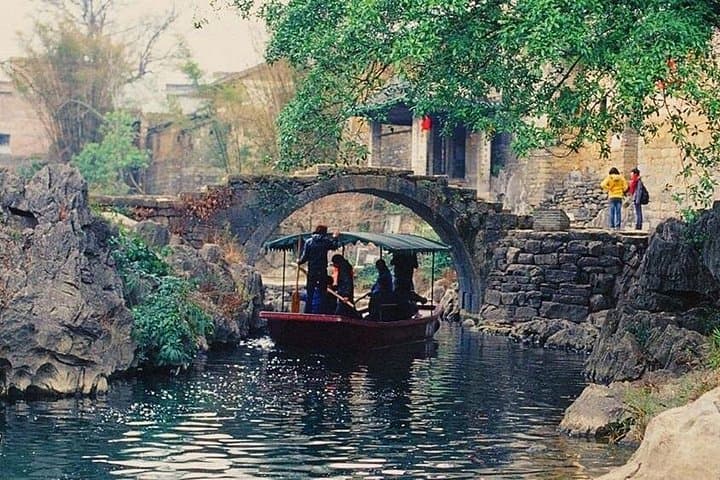
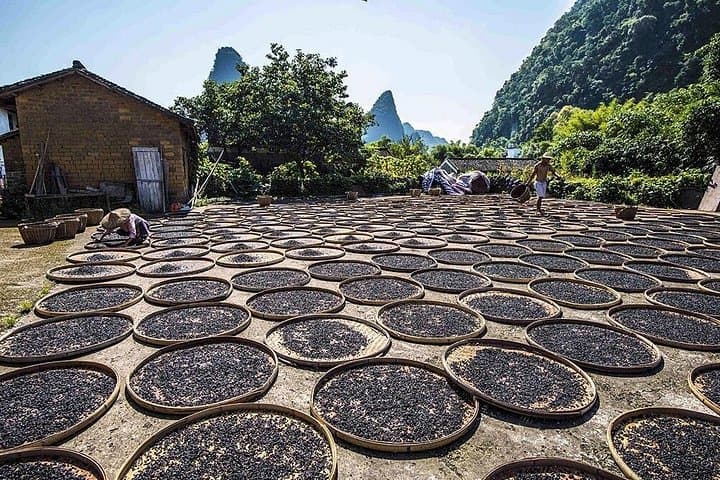
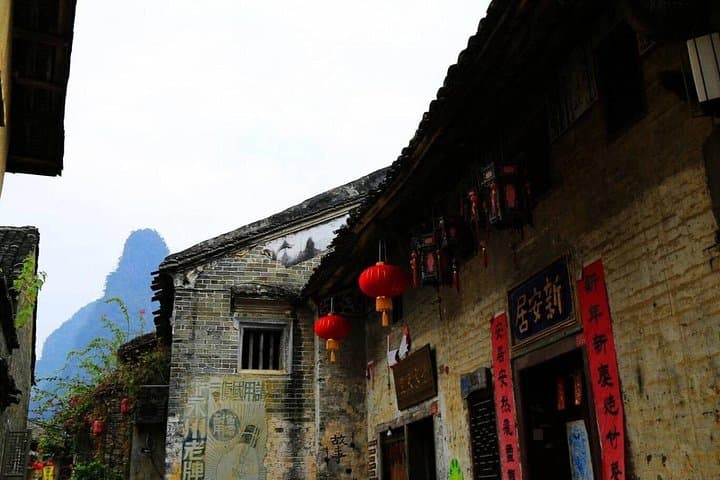
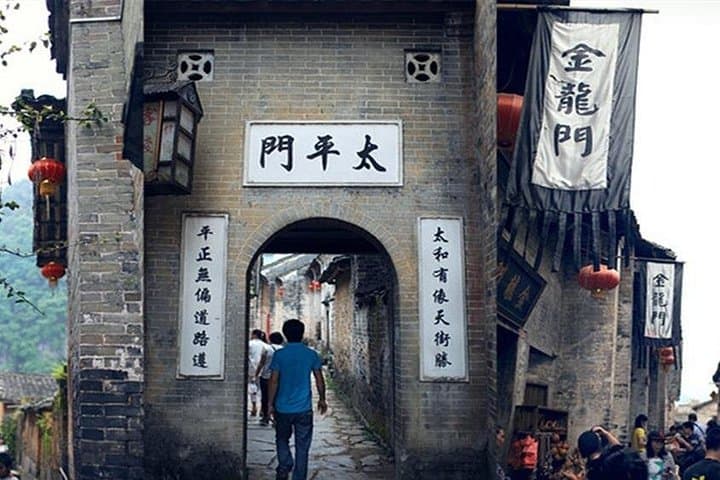
Morning light spills over Guilin as the van eases onto the highway and the karst peaks thin into rice terraces. Three hours from downtown, Huangyao Ancient Town waits like a lived-in film set: flagstone streets that remember traders’ footsteps, low-slung Ming and Qing residences, and bridges that arch over slow waterways daring you to cross.
Morning light spills over Guilin as the van eases onto the highway and the karst peaks thin into rice terraces. Three hours from downtown, Huangyao Ancient Town waits like a lived-in film set: flagstone streets that remember traders’ footsteps, low-slung Ming and Qing residences, and bridges that arch over slow waterways daring you to cross.
Founded more than a millennium ago, Huangyao’s town plan and surviving architecture reflect centuries of regional trade and clan life. The buildings sit on weathered limestone and red-clay soils; the geology here has shaped narrow alleys that funnel cool air and bright reflections from canals. Local culture still shows in morning markets, ancestral halls, and occasional impromptu opera on the small stone stage.
Expect an exploratory day: wandering through over 300 historic houses, peering into An’le Temple, finding the Immortal Ancient Well, and pausing at Dailong Bridge. Guides will point out carved beams, reused tiles, and the pragmatic waterworks that kept the town functioning.
Practical guidance: wear sturdy walking shoes for irregular flagstone and short stair sections; bring sun protection and a refillable water bottle. The town is busiest midday—arrive early to avoid tour groups and to capture quieter light for photography. There are small local eateries for simple Cantonese-Guangxi dishes; carry cash for stalls. If rain is forecast, a lightweight rain jacket and non-slip footwear make the difference between slick steps and a comfortable stroll.
This is a low-impact cultural walk with moderate pace and rich rewards for anyone interested in regional architecture, rural life, and slow travel from Guilin.