THE ADVENTURE COLLECTIVE® · Independent discovery and booking for outdoor travel

Trace Roman mosaics, holy hilltop streets, and imperial gates in a single day from Fez. This full-day excursion pairs gentle walking at ancient Volubilis with cultural views of Moulay Idriss and the grand monuments of Meknes.
Trace Roman mosaics, holy hilltop streets, and imperial gates in a single day from Fez. This full-day excursion pairs gentle walking at ancient Volubilis with cultural views of Moulay Idriss and the grand monuments of Meknes.
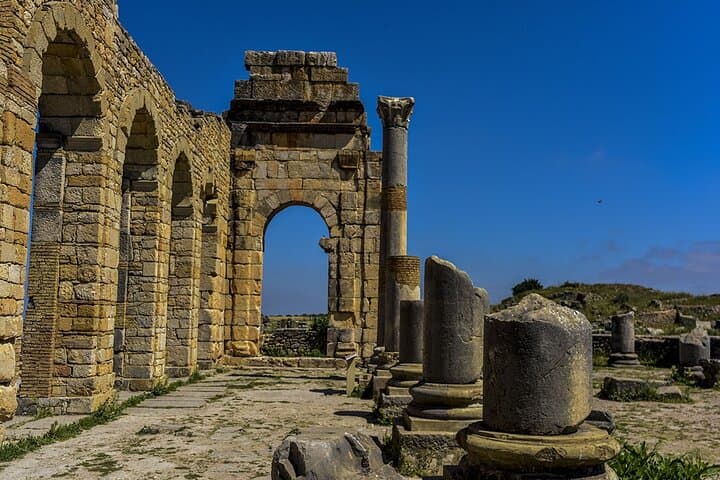
You step out of Fez into a corridor of olive trees and low stone walls, the road unfolding toward the Rif and Middle Atlas like a map drawn slow. The morning light hits the flat plain around Volubilis first—mosaic floors and broken columns holding the sky—and the ruins open like a classroom for history.
Verified experiences and guided adventures in the surrounding area.
Operated by the heart of morocco · Fez, Fès-Meknès
You step out of Fez into a corridor of olive trees and low stone walls, the road unfolding toward the Rif and Middle Atlas like a map drawn slow. The morning light hits the flat plain around Volubilis first—mosaic floors and broken columns holding the sky—and the ruins open like a classroom for history.
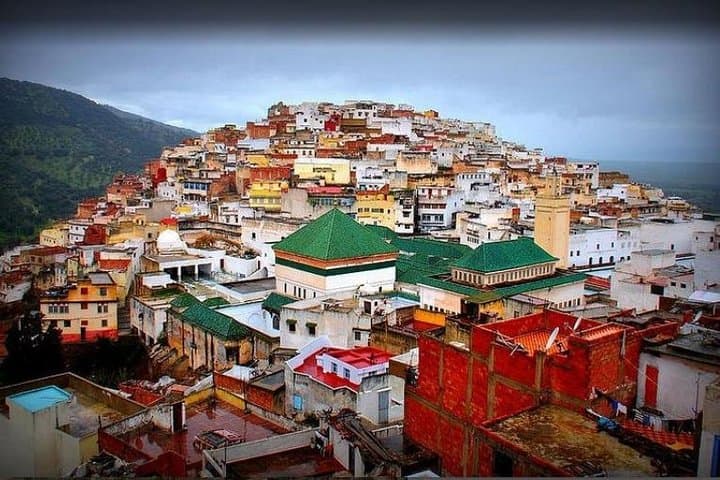
Volubilis was once a Roman provincial capital; its Arc de Caracalla, basilica and Capitoline temple give a clear line to North Africa’s layered past. The geology here is gentle limestone and terra rossa soils, worked for centuries by olive groves and grazing flocks. Moulay Idriss Zerhoun perches above the plain: a town with religious significance and narrow streets that the tour skirts to respect local customs while offering a clear view of whitewashed houses and a skyline of minarets.
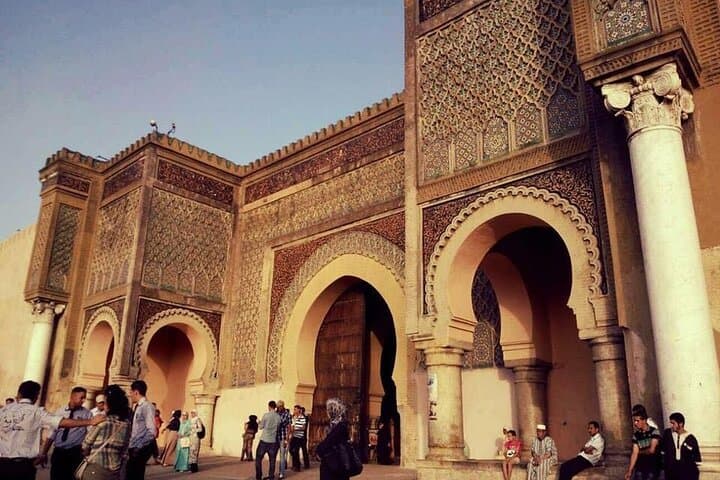
Meknes brings a different tone—17th-century gates, the vast granaries and stables of Moulay Ismail, and the ceremonial Place El-Hedim where trade and politics once crossed paths. Between sites, the countryside reads as pastoral: shepherds, olives, and an atlas-hued horizon that frames the day.
Practical guidance: this is an easy-paced, full-day outing (about 8 hours) with short walks on uneven stone and gravel. Wear supportive walking shoes, sun protection, and bring water; expect some uphill cobbled streets in Moulay Idriss and loose surfaces at Volubilis. Morning departures avoid midday heat and allow clearer light on the mosaics. The tour handles logistics and transfers, but carry small change for market stalls and modest local purchases.
easy.
8 hours.
Light walking ability; comfortable on uneven surfaces and short inclines
The outing is approximately 8 hours; most departures leave in the morning from Fez and return late afternoon.
Moulay Idriss contains areas reserved for Muslims; visitors generally view the town and its entrance areas but do not enter restricted shrines.
Confirm with the operator—many day tours include guide commentary but not always official site entrance fees; bring cash to cover admissions if required.
The tour is classified as easy and suitable for most ages, but uneven stone surfaces and short uphill sections make it less ideal for those with serious mobility limitations.
Volubilis was a Romanized city that became a key administrative center; later, Islamic dynasties and local rulers stamped their marks on the region, notably Moulay Ismail’s 17th-century works in Meknes.
Visitors should stick to marked paths at the ruins to protect exposed mosaics and archaeological layers; use refillable water containers to reduce single-use plastics.
the heart of morocco operates guided outdoor trips and adventures with an emphasis on safety, stewardship, and memorable experiences.
You step out of Fez into a corridor of olive trees and low stone walls, the road unfolding toward the Rif and Middle Atlas like a map drawn slow. The morning light hits the flat plain around Volubilis first—mosaic floors and broken columns holding the sky—and the ruins open like a classroom for history.
You step out of Fez into a corridor of olive trees and low stone walls, the road unfolding toward the Rif and Middle Atlas like a map drawn slow. The morning light hits the flat plain around Volubilis first—mosaic floors and broken columns holding the sky—and the ruins open like a classroom for history.
Volubilis was once a Roman provincial capital; its Arc de Caracalla, basilica and Capitoline temple give a clear line to North Africa’s layered past. The geology here is gentle limestone and terra rossa soils, worked for centuries by olive groves and grazing flocks. Moulay Idriss Zerhoun perches above the plain: a town with religious significance and narrow streets that the tour skirts to respect local customs while offering a clear view of whitewashed houses and a skyline of minarets.
Meknes brings a different tone—17th-century gates, the vast granaries and stables of Moulay Ismail, and the ceremonial Place El-Hedim where trade and politics once crossed paths. Between sites, the countryside reads as pastoral: shepherds, olives, and an atlas-hued horizon that frames the day.
Practical guidance: this is an easy-paced, full-day outing (about 8 hours) with short walks on uneven stone and gravel. Wear supportive walking shoes, sun protection, and bring water; expect some uphill cobbled streets in Moulay Idriss and loose surfaces at Volubilis. Morning departures avoid midday heat and allow clearer light on the mosaics. The tour handles logistics and transfers, but carry small change for market stalls and modest local purchases.