THE ADVENTURE COLLECTIVE® · Independent discovery and booking for outdoor travel

A full-day escape from Fez brings you to Chefchaouen’s bluewashed medina framed by the Rif Mountains. This guide covers what to see, why the city is painted blue, and the practical tips to make the long day trip run smoothly.
A full-day escape from Fez brings you to Chefchaouen’s bluewashed medina framed by the Rif Mountains. This guide covers what to see, why the city is painted blue, and the practical tips to make the long day trip run smoothly.
You pull away from Fez before dawn and the city thins into olive groves and lanes of cork oak. The road climbs into the Rif Mountains, and by midmorning the bus rounds a switchback and the town appears like a scatter of blue paint on a green slope—Chefchaouen’s cobalt walls catching light like a folded map. Walking down a narrow alley, the color feels purposeful rather than decorative; the blue draws the eye, hides the heat, and sets a calm rhythm to the day.
Verified experiences and guided adventures in the surrounding area.
Operated by JD Morocco Tours, Sarl · Chefchaouen, Tanger-Tétouan-Al Hoceima
You pull away from Fez before dawn and the city thins into olive groves and lanes of cork oak. The road climbs into the Rif Mountains, and by midmorning the bus rounds a switchback and the town appears like a scatter of blue paint on a green slope—Chefchaouen’s cobalt walls catching light like a folded map. Walking down a narrow alley, the color feels purposeful rather than decorative; the blue draws the eye, hides the heat, and sets a calm rhythm to the day.
Chefchaouen sits on the western flank of the Rif, a range formed from folded Mesozoic limestones that rise in serrated ridges above the Mediterranean. The city’s current look reflects layers of history: founded in the 15th century as a fortress against Portuguese incursions, reshaped by Andalusian exiles and later by Spanish influence during the 20th century. Local craft traditions—handwoven wool garments and blankets—trace back to mountain shepherd economies and the Berber (Amazigh) artisans who still work here.
The medina is compact and pedestrian: alleys that slope toward the plaza, rinsed blue houses, a 15th-century kasbah-turned-museum, and the Grand Mosque whose octagonal minaret hints at Andalusian style. Ras El Ma spring at the medina’s northern edge offers running water, murmuring and cool—an unexpected pocket of green where locals wash vegetables and children dangle feet.
Practicality shapes a good visit. The drive from Fez is roughly 3.5–4 hours each way (about 200 km), so the tour is a long day—expect 10–13 hours round-trip depending on traffic and stops. Wear sturdy, rubber-soled shoes for cobbles and stairs; medina alleys are uneven. Bring cash (Moroccan dirham) for markets—many small vendors don’t accept cards—and carry a refillable water bottle; taps are available but bottled water is common.
Timing matters for photos and crowds: arrive earlier or later in the afternoon to avoid peak tour group hours. Haggle politely in the souks—start at about 50–60% of the asking price and find a midpoint. Respect local customs: modest dress in religious spaces, and always ask permission before photographing people.
On the return, the Rif recedes and the day’s colors shift to ochre. The convenience of a guided day trip from Fez makes Chefchaouen accessible if you’re short on time, but the town rewards a slower pace—linger in a café on the plaza, sample goat cheese and tagine, and let the blue walls slow your tempo long enough to notice the details.
easy.
10–13 hours.
Suitable for anyone with basic mobility; expect several hours of walking on uneven surfaces.
Expect roughly 3.5–4 hours each way by road (about 200 km), depending on traffic and stops.
Yes—this is a low-impact day trip, but it involves long driving and walking on uneven cobbles; plan for rest and comfortable footwear.
Yes—cafes around Plaza Uta el-Hammam serve tagines, salads, and mint tea; smaller vendors sell snacks and sweets.
Basic French or Arabic helps, but many vendors speak some Spanish and tourist guides will translate; friendly gestures and simple phrases go far.
There are several theories—Jewish symbolism, mosquito deterrent, and tradition linking blue with the sky and spirituality—but there’s no single confirmed origin.
The medina’s narrow, stepped alleys limit accessibility—some plazas and cafes are accessible, but much of the old town is not suited for wheelchairs.
Chefchaouen was founded in the 15th century and later absorbed Andalusian refugees and Spanish influence—this mix shaped its architecture and craft traditions.
Water scarcity and waste management are local concerns; support small businesses, avoid single-use plastics, and stay on established paths to reduce erosion.
JD Morocco Tours, Sarl operates guided outdoor trips and adventures with an emphasis on safety, stewardship, and memorable experiences.
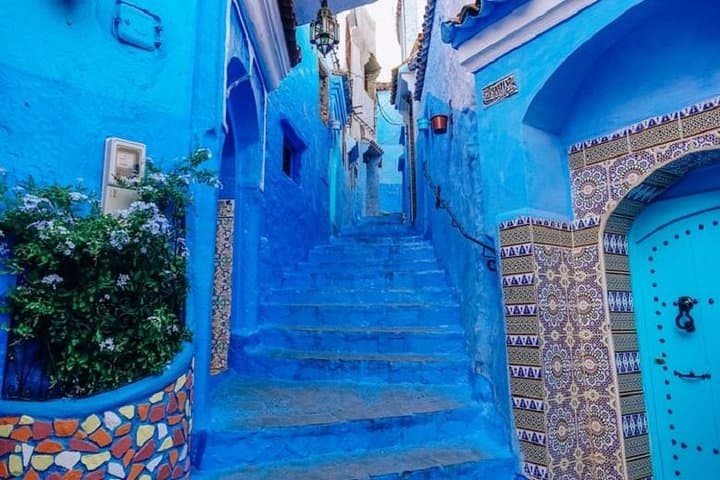
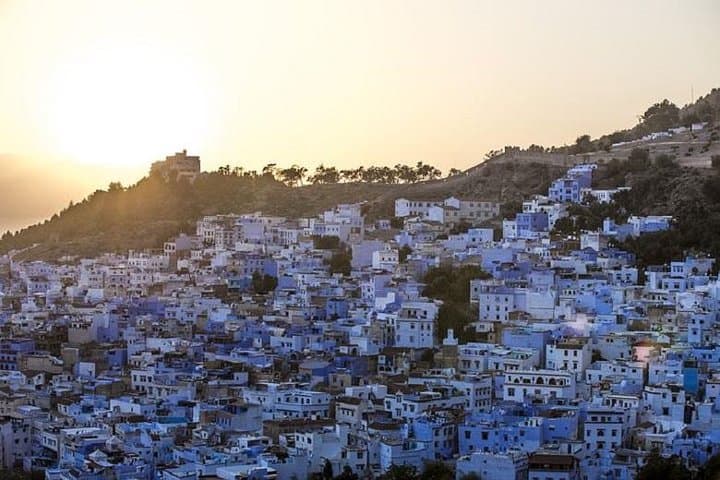
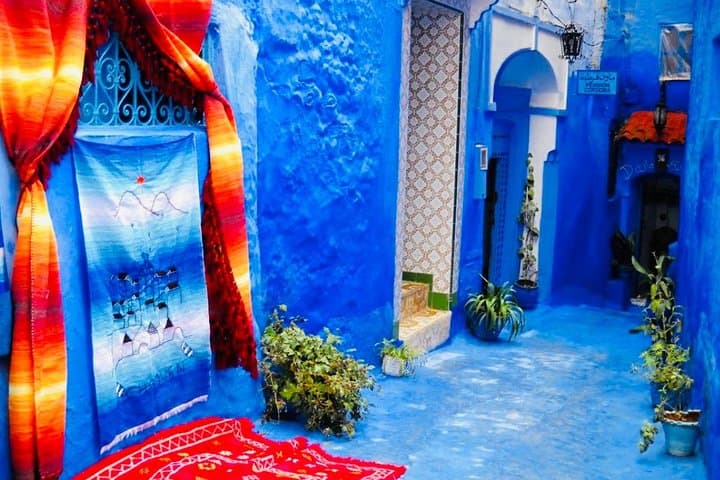
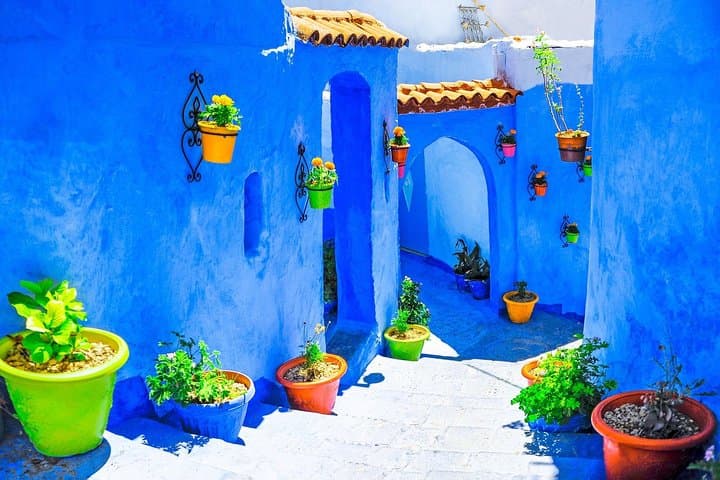
You pull away from Fez before dawn and the city thins into olive groves and lanes of cork oak. The road climbs into the Rif Mountains, and by midmorning the bus rounds a switchback and the town appears like a scatter of blue paint on a green slope—Chefchaouen’s cobalt walls catching light like a folded map. Walking down a narrow alley, the color feels purposeful rather than decorative; the blue draws the eye, hides the heat, and sets a calm rhythm to the day.
You pull away from Fez before dawn and the city thins into olive groves and lanes of cork oak. The road climbs into the Rif Mountains, and by midmorning the bus rounds a switchback and the town appears like a scatter of blue paint on a green slope—Chefchaouen’s cobalt walls catching light like a folded map. Walking down a narrow alley, the color feels purposeful rather than decorative; the blue draws the eye, hides the heat, and sets a calm rhythm to the day.
Chefchaouen sits on the western flank of the Rif, a range formed from folded Mesozoic limestones that rise in serrated ridges above the Mediterranean. The city’s current look reflects layers of history: founded in the 15th century as a fortress against Portuguese incursions, reshaped by Andalusian exiles and later by Spanish influence during the 20th century. Local craft traditions—handwoven wool garments and blankets—trace back to mountain shepherd economies and the Berber (Amazigh) artisans who still work here.
The medina is compact and pedestrian: alleys that slope toward the plaza, rinsed blue houses, a 15th-century kasbah-turned-museum, and the Grand Mosque whose octagonal minaret hints at Andalusian style. Ras El Ma spring at the medina’s northern edge offers running water, murmuring and cool—an unexpected pocket of green where locals wash vegetables and children dangle feet.
Practicality shapes a good visit. The drive from Fez is roughly 3.5–4 hours each way (about 200 km), so the tour is a long day—expect 10–13 hours round-trip depending on traffic and stops. Wear sturdy, rubber-soled shoes for cobbles and stairs; medina alleys are uneven. Bring cash (Moroccan dirham) for markets—many small vendors don’t accept cards—and carry a refillable water bottle; taps are available but bottled water is common.
Timing matters for photos and crowds: arrive earlier or later in the afternoon to avoid peak tour group hours. Haggle politely in the souks—start at about 50–60% of the asking price and find a midpoint. Respect local customs: modest dress in religious spaces, and always ask permission before photographing people.
On the return, the Rif recedes and the day’s colors shift to ochre. The convenience of a guided day trip from Fez makes Chefchaouen accessible if you’re short on time, but the town rewards a slower pace—linger in a café on the plaza, sample goat cheese and tagine, and let the blue walls slow your tempo long enough to notice the details.