THE ADVENTURE COLLECTIVE® · Independent discovery and booking for outdoor travel

Escape Fez for a full-day journey through the Rif Mountains to Chefchaouen’s famed blue alleys. This guide covers what to expect—drive times, walking conditions, cultural notes and practical tips to make the most of your day in the Blue City.
Escape Fez for a full-day journey through the Rif Mountains to Chefchaouen’s famed blue alleys. This guide covers what to expect—drive times, walking conditions, cultural notes and practical tips to make the most of your day in the Blue City.
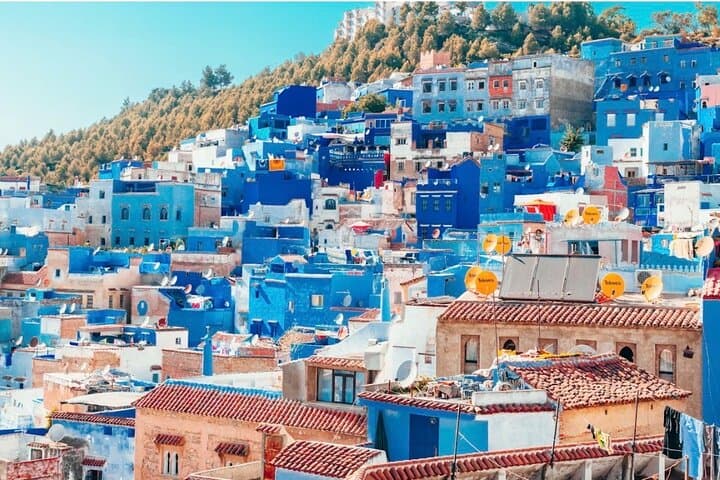
You crest a low shoulder of the Rif Mountains and a cluster of blue alleys unspools below—painted walls catching the sun, a bell tower set against green slopes. The drive from Fez pushes through folded ridges and olive-sprinkled valleys until Ras El Ma’s spring announces the foothills with the steady murmur of water daring you to breathe slower.
Verified experiences and guided adventures in the surrounding area.
Operated by A Trip To Morocco · Chefchaouen, Tanger-Tetouan-Al Hoceima
You crest a low shoulder of the Rif Mountains and a cluster of blue alleys unspools below—painted walls catching the sun, a bell tower set against green slopes. The drive from Fez pushes through folded ridges and olive-sprinkled valleys until Ras El Ma’s spring announces the foothills with the steady murmur of water daring you to breathe slower.
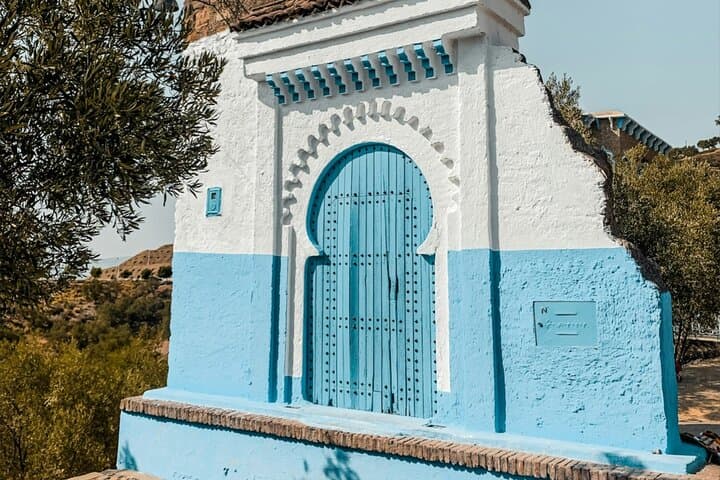
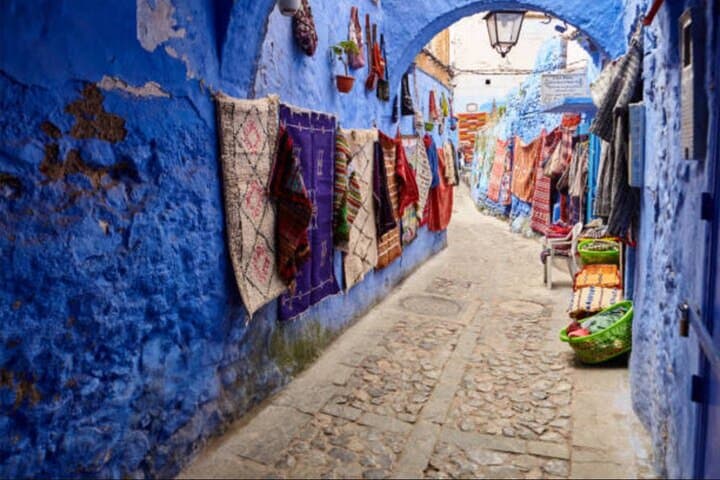
Chefchaouen’s blue is as much culture as color. Founded in the 15th century as a mountain kasbah with Andalusian roots, the town later absorbed Jewish and Berber influences; the bluewash tradition—sometimes linked to Jewish teachings—gives the old medina its distinctive calm. Geologically, the Rif is a younger, folded range; local stone and terraced agriculture shape the town’s contour and views. Outa El Hammam square functions as the public living room—cafés, the Grand Mosque silhouette, and artisan stalls selling woven blankets and dyed leather.
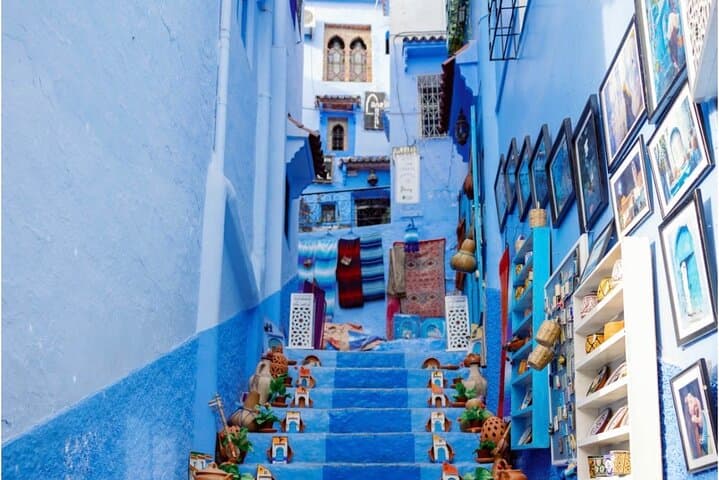
Expect narrow, cobbled lanes, stepped alleys and frequent short climbs; the medina is pedestrian-only and best explored on foot. Most itineraries include a pause at Ras El Ma spring and about four hours in town for wandering, photos, a rooftop tea, and a light lunch. Practical rhythm: aim for early arrival to catch softer light and quieter streets, carry water and small change for cafés and crafts, and wear shoes with good tread for uneven stone. Respect residential areas when photographing and support local artisans to keep cultural tourism sustainable.
This is a relaxed but sensory-rich day: mountain air that teases a breeze, friendly shopkeepers, and endless blue corners that reward slow exploration.
easy.
12 hours.
Light: comfortable walking on cobbles and stepping up short flights; no sustained elevation gain required
Expect roughly 3–4 hours each way by car depending on traffic and stops; itineraries typically include about four hours in town.
Most day-trip bookings include bottled water only; plan to buy lunch in Chefchaouen’s squares or terraces.
Some public areas and transport are accessible, but the medina has narrow, stepped, and cobbled lanes that are difficult for wheelchairs and strollers.
Yes—families visit frequently. The town’s calm pace suits children, though parents should watch stairways and busy streets.
Founded in the 15th century as a fortified site with Andalusian and Berber influences, Chefchaouen later absorbed Jewish traditions—its blue paint became a defining cultural feature.
Water is limited in the Rif; use refillable bottles and support local shops to reduce waste. Respect painted walls and public spaces to preserve the medina for residents and visitors.
A Trip To Morocco operates guided outdoor trips and adventures with an emphasis on safety, stewardship, and memorable experiences.
You crest a low shoulder of the Rif Mountains and a cluster of blue alleys unspools below—painted walls catching the sun, a bell tower set against green slopes. The drive from Fez pushes through folded ridges and olive-sprinkled valleys until Ras El Ma’s spring announces the foothills with the steady murmur of water daring you to breathe slower.
You crest a low shoulder of the Rif Mountains and a cluster of blue alleys unspools below—painted walls catching the sun, a bell tower set against green slopes. The drive from Fez pushes through folded ridges and olive-sprinkled valleys until Ras El Ma’s spring announces the foothills with the steady murmur of water daring you to breathe slower.
Chefchaouen’s blue is as much culture as color. Founded in the 15th century as a mountain kasbah with Andalusian roots, the town later absorbed Jewish and Berber influences; the bluewash tradition—sometimes linked to Jewish teachings—gives the old medina its distinctive calm. Geologically, the Rif is a younger, folded range; local stone and terraced agriculture shape the town’s contour and views. Outa El Hammam square functions as the public living room—cafés, the Grand Mosque silhouette, and artisan stalls selling woven blankets and dyed leather.
Expect narrow, cobbled lanes, stepped alleys and frequent short climbs; the medina is pedestrian-only and best explored on foot. Most itineraries include a pause at Ras El Ma spring and about four hours in town for wandering, photos, a rooftop tea, and a light lunch. Practical rhythm: aim for early arrival to catch softer light and quieter streets, carry water and small change for cafés and crafts, and wear shoes with good tread for uneven stone. Respect residential areas when photographing and support local artisans to keep cultural tourism sustainable.
This is a relaxed but sensory-rich day: mountain air that teases a breeze, friendly shopkeepers, and endless blue corners that reward slow exploration.