THE ADVENTURE COLLECTIVE® · Independent discovery and booking for outdoor travel

Spend a full day leaving Fes to explore Chefchaouen’s blue alleys, the kasbah at Outa el Hammam, and the Ras El Maa spring. This practical guide covers what to expect, why the Rif’s geology matters, and how to prepare for cobbled climbs and local markets.
Spend a full day leaving Fes to explore Chefchaouen’s blue alleys, the kasbah at Outa el Hammam, and the Ras El Maa spring. This practical guide covers what to expect, why the Rif’s geology matters, and how to prepare for cobbled climbs and local markets.
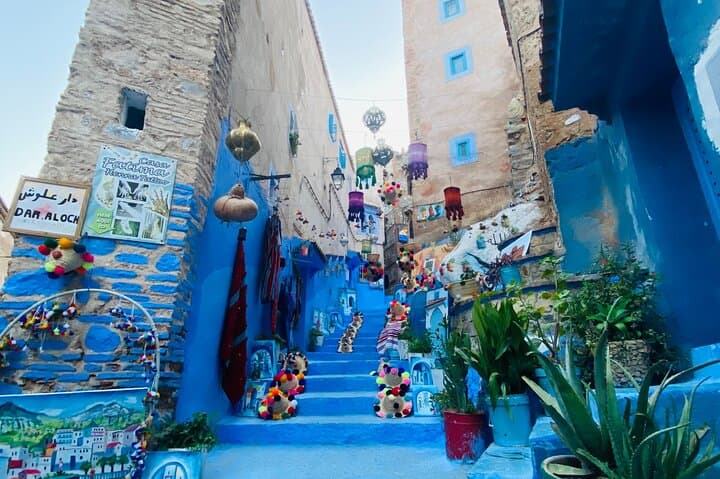
Sunlight slides along narrow alleys and throws long, blue shadows across uneven cobbles as your van drops you at the northern gate of Chefchaouen.
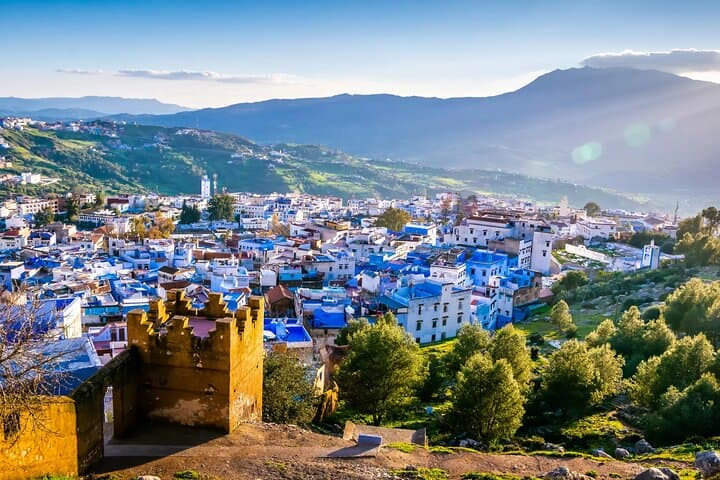
The town feels like a painted pause in the Rif Mountains: steep lanes climb past bluewashed houses, laundry flutters over archways, and the nearby spring hisses behind a curtain of pines.
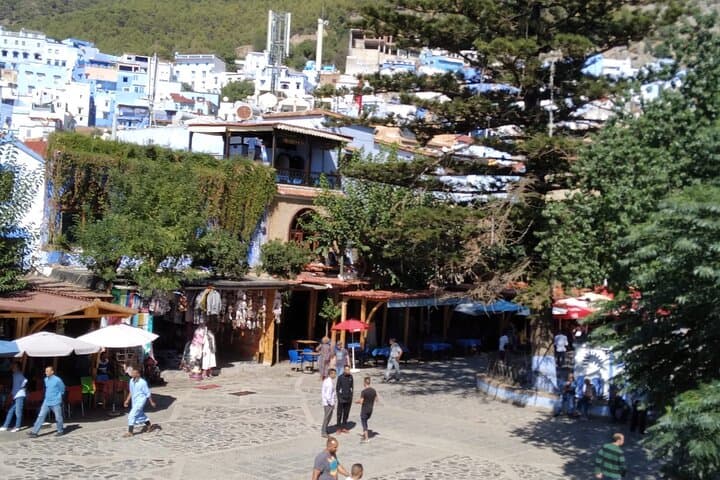
Founded in the 15th century by Moorish refugees, Chefchaouen’s medina reflects Andalusian architectural lines and Berber craft traditions; the kasbah at Outa el Hammam anchors the square with red-stained stone and a small ethnographic museum.
Geologically, the Rif is young and folded—limestone ridges step down toward the Mediterranean, feeding the freshwater spring at Ras El Maa that dares you to leave the city’s shade for a green, cooling rim of river and terrace.
Culturally, expect tanneries, textile looms, and mint tea offered with easy hospitality; local craftsmen favor natural dyes and simple looms passed down generations.
Practicalities: this full-day, door-to-door outing from Fes lasts about ten hours with several hours to wander the medina, visit the kasbah, and reach Ras El Maa. Streets are steep and cobbled—sturdy footwear and a small daypack make movement painless. Carry cash for small purchases and a refillable water bottle; plan to arrive early or late afternoon to avoid mid-day tour congestion. Photography is welcomed but be courteous around worshippers and private doorways. If you have mobility constraints, check ahead about walking distances—the driver drops you close to the medina, but the best views require short uphill walks.
Verified experiences and guided adventures in the surrounding area.
Operated by Agence Travel Tour · Chefchaouen, Tanger-Tetouan-Al Hoceima
Sunlight slides along narrow alleys and throws long, blue shadows across uneven cobbles as your van drops you at the northern gate of Chefchaouen.
The town feels like a painted pause in the Rif Mountains: steep lanes climb past bluewashed houses, laundry flutters over archways, and the nearby spring hisses behind a curtain of pines.
Founded in the 15th century by Moorish refugees, Chefchaouen’s medina reflects Andalusian architectural lines and Berber craft traditions; the kasbah at Outa el Hammam anchors the square with red-stained stone and a small ethnographic museum.
Geologically, the Rif is young and folded—limestone ridges step down toward the Mediterranean, feeding the freshwater spring at Ras El Maa that dares you to leave the city’s shade for a green, cooling rim of river and terrace.
Culturally, expect tanneries, textile looms, and mint tea offered with easy hospitality; local craftsmen favor natural dyes and simple looms passed down generations.
Practicalities: this full-day, door-to-door outing from Fes lasts about ten hours with several hours to wander the medina, visit the kasbah, and reach Ras El Maa. Streets are steep and cobbled—sturdy footwear and a small daypack make movement painless. Carry cash for small purchases and a refillable water bottle; plan to arrive early or late afternoon to avoid mid-day tour congestion. Photography is welcomed but be courteous around worshippers and private doorways. If you have mobility constraints, check ahead about walking distances—the driver drops you close to the medina, but the best views require short uphill walks.
easy.
10 hours (full day).
Basic walking fitness; able to handle short uphill cobbled sections and stairs
The coach transfer typically takes about 3–4 hours each way depending on traffic and stops.
Yes; the itinerary is rated easy, but the medina has uneven ground and steps—consider mobility when planning.
Kasbah admission is often modest and may not be included—check the booking details or bring small cash for entry.
Yes; look for woven textiles and leather ateliers off the main routes and haggle respectfully for prices.
Chefchaouen was founded in 1471 by Moorish exiles and later absorbed Berber influences, producing a unique blend of Iberian and North African craft and architecture.
Water is a precious local resource—use refillable bottles, avoid single-use plastics, and support small workshops rather than mass-produced souvenirs.
Agence Travel Tour operates guided outdoor trips and adventures with an emphasis on safety, stewardship, and memorable experiences.

Sunlight slides along narrow alleys and throws long, blue shadows across uneven cobbles as your van drops you at the northern gate of Chefchaouen.
The town feels like a painted pause in the Rif Mountains: steep lanes climb past bluewashed houses, laundry flutters over archways, and the nearby spring hisses behind a curtain of pines.
Founded in the 15th century by Moorish refugees, Chefchaouen’s medina reflects Andalusian architectural lines and Berber craft traditions; the kasbah at Outa el Hammam anchors the square with red-stained stone and a small ethnographic museum.
Geologically, the Rif is young and folded—limestone ridges step down toward the Mediterranean, feeding the freshwater spring at Ras El Maa that dares you to leave the city’s shade for a green, cooling rim of river and terrace.
Culturally, expect tanneries, textile looms, and mint tea offered with easy hospitality; local craftsmen favor natural dyes and simple looms passed down generations.
Practicalities: this full-day, door-to-door outing from Fes lasts about ten hours with several hours to wander the medina, visit the kasbah, and reach Ras El Maa. Streets are steep and cobbled—sturdy footwear and a small daypack make movement painless. Carry cash for small purchases and a refillable water bottle; plan to arrive early or late afternoon to avoid mid-day tour congestion. Photography is welcomed but be courteous around worshippers and private doorways. If you have mobility constraints, check ahead about walking distances—the driver drops you close to the medina, but the best views require short uphill walks.
Sunlight slides along narrow alleys and throws long, blue shadows across uneven cobbles as your van drops you at the northern gate of Chefchaouen.
The town feels like a painted pause in the Rif Mountains: steep lanes climb past bluewashed houses, laundry flutters over archways, and the nearby spring hisses behind a curtain of pines.
Founded in the 15th century by Moorish refugees, Chefchaouen’s medina reflects Andalusian architectural lines and Berber craft traditions; the kasbah at Outa el Hammam anchors the square with red-stained stone and a small ethnographic museum.
Geologically, the Rif is young and folded—limestone ridges step down toward the Mediterranean, feeding the freshwater spring at Ras El Maa that dares you to leave the city’s shade for a green, cooling rim of river and terrace.
Culturally, expect tanneries, textile looms, and mint tea offered with easy hospitality; local craftsmen favor natural dyes and simple looms passed down generations.
Practicalities: this full-day, door-to-door outing from Fes lasts about ten hours with several hours to wander the medina, visit the kasbah, and reach Ras El Maa. Streets are steep and cobbled—sturdy footwear and a small daypack make movement painless. Carry cash for small purchases and a refillable water bottle; plan to arrive early or late afternoon to avoid mid-day tour congestion. Photography is welcomed but be courteous around worshippers and private doorways. If you have mobility constraints, check ahead about walking distances—the driver drops you close to the medina, but the best views require short uphill walks.