THE ADVENTURE COLLECTIVE® · Independent discovery and booking for outdoor travel

Short, private transfer from Évora to Arraiolos that pairs hands-on craft demonstrations with a sweep of cork-oak landscape from the town’s circular castle. Ideal for culture-minded travelers seeking a compact, authentic Alentejo stop.
Short, private transfer from Évora to Arraiolos that pairs hands-on craft demonstrations with a sweep of cork-oak landscape from the town’s circular castle. Ideal for culture-minded travelers seeking a compact, authentic Alentejo stop.
You step out of the air-conditioned vehicle onto a bright Alentejo lane where whitewashed houses frame narrow streets threaded with geraniums. The town smells faintly of baked bread and cork dust; above, the low medieval keep circles a horizon of cork oak and scrub that seems to push the sky back.
Verified experiences and guided adventures in the surrounding area.
Operated by Évora Cultural Experience · Arraiolos, Évora District
You step out of the air-conditioned vehicle onto a bright Alentejo lane where whitewashed houses frame narrow streets threaded with geraniums. The town smells faintly of baked bread and cork dust; above, the low medieval keep circles a horizon of cork oak and scrub that seems to push the sky back.
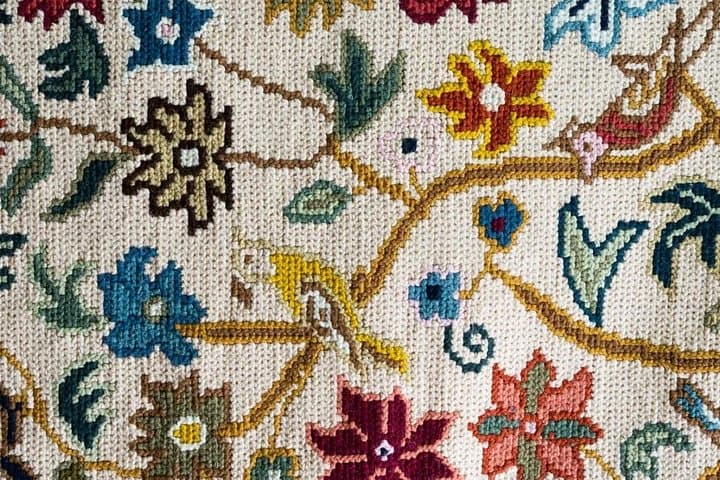
Arraiolos sits on a plateau shaped by ancient sedimentary plains; its soils and climate made the cork oak and dryland agriculture central to local life. The town’s best-known craft, the Arraiolos rug, carries techniques from the late medieval period and Moorish stitch patterns that were adapted here into a distinct Portuguese craft — so distinct UNESCO and cultural historians cite its continuity of handwork and design.
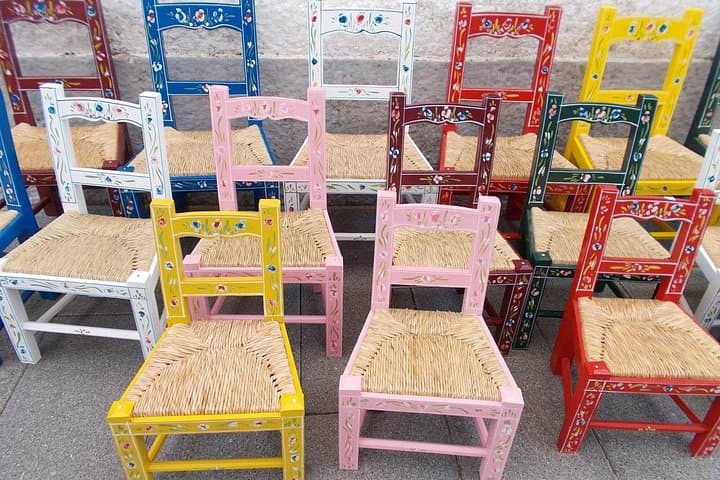
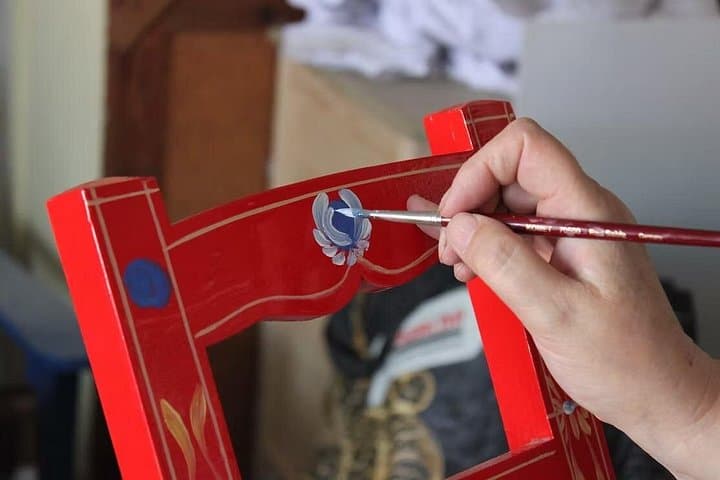
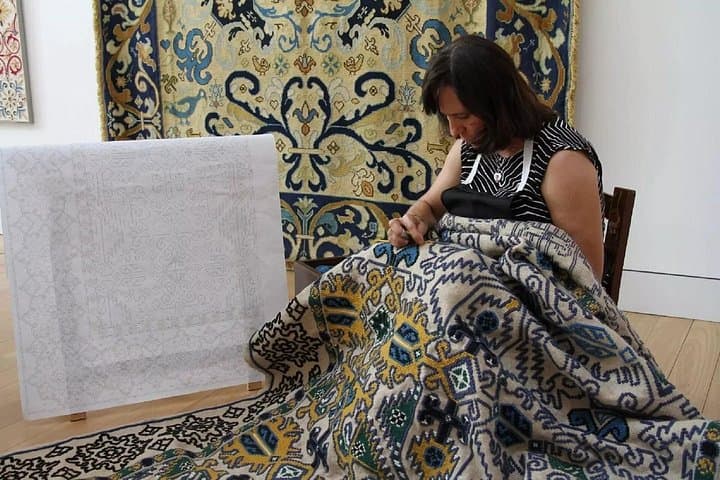
Walking the village, you’ll meet painted furniture shops, small potteries, and artisans bending over frames; the castle wall offers an expansive view over the Alentejo’s cork oak forest, where silvery leaves glint and red-tailed hawks ride thermals.
Practically: the tour lasts about three hours with guided visits to rug workshops and a short climb around the castle perimeter. Wear low-profile walking shoes for cobbles and a hat for sun; mornings are usually cooler and quieter. Sampling an Alentejo convent sweet at a local café is part of the rhythm — bring cash for small purchases. Transportation from central Évora is included, making this a compact cultural stop for anyone based in the city or traveling through the region.
Expect gentle walking, close-up craft demonstrations, and plenty of texture — tactile rugs, rough plaster, and cork bark — that tell the region’s human and natural story.
easy.
3 hours.
Suitable for most fitness levels; requires short periods of standing and light walking on uneven surfaces
Typical drive time is under 30 minutes each way from central Évora, depending on traffic and exact pickup point.
Visits usually include demonstrations and explanations; some workshops may allow brief hands-on sampling — ask the guide in advance.
Yes — the itinerary is easy-paced with short walks and seated demonstrations; notify operator of mobility needs when booking.
The tour notes admissions for the rug demonstration are included; check with the operator about any optional museum fees.
Arraiolos’s rug tradition blends medieval Portuguese and Moorish embroidery techniques; the town’s circular castle dates to the medieval period and offers strategic views of the surrounding Alentejo plain.
Local efforts focus on sustainable cork oak management and preserving traditional handicrafts; buying directly from artisans helps support these practices.
Évora Cultural Experience operates guided outdoor trips and adventures with an emphasis on safety, stewardship, and memorable experiences.
You step out of the air-conditioned vehicle onto a bright Alentejo lane where whitewashed houses frame narrow streets threaded with geraniums. The town smells faintly of baked bread and cork dust; above, the low medieval keep circles a horizon of cork oak and scrub that seems to push the sky back.
You step out of the air-conditioned vehicle onto a bright Alentejo lane where whitewashed houses frame narrow streets threaded with geraniums. The town smells faintly of baked bread and cork dust; above, the low medieval keep circles a horizon of cork oak and scrub that seems to push the sky back.
Arraiolos sits on a plateau shaped by ancient sedimentary plains; its soils and climate made the cork oak and dryland agriculture central to local life. The town’s best-known craft, the Arraiolos rug, carries techniques from the late medieval period and Moorish stitch patterns that were adapted here into a distinct Portuguese craft — so distinct UNESCO and cultural historians cite its continuity of handwork and design.
Walking the village, you’ll meet painted furniture shops, small potteries, and artisans bending over frames; the castle wall offers an expansive view over the Alentejo’s cork oak forest, where silvery leaves glint and red-tailed hawks ride thermals.
Practically: the tour lasts about three hours with guided visits to rug workshops and a short climb around the castle perimeter. Wear low-profile walking shoes for cobbles and a hat for sun; mornings are usually cooler and quieter. Sampling an Alentejo convent sweet at a local café is part of the rhythm — bring cash for small purchases. Transportation from central Évora is included, making this a compact cultural stop for anyone based in the city or traveling through the region.
Expect gentle walking, close-up craft demonstrations, and plenty of texture — tactile rugs, rough plaster, and cork bark — that tell the region’s human and natural story.