THE ADVENTURE COLLECTIVE® · Independent discovery and booking for outdoor travel

Trade the city streets of Edinburgh for a day among Scottish strongholds: Stirling’s royal chambers, Linlithgow’s palace ruins, and Blackness Castle’s tidal silhouette. This private, guided tour pairs skip‑the‑line access with local stories and easy walking between dramatic viewpoints.
Trade the city streets of Edinburgh for a day among Scottish strongholds: Stirling’s royal chambers, Linlithgow’s palace ruins, and Blackness Castle’s tidal silhouette. This private, guided tour pairs skip‑the‑line access with local stories and easy walking between dramatic viewpoints.
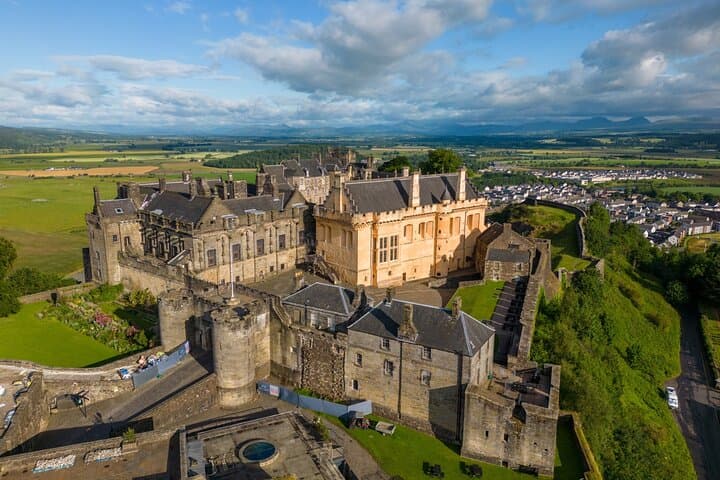
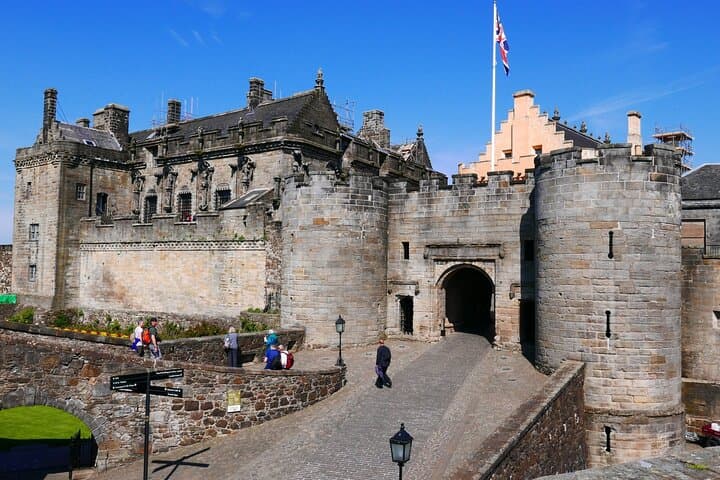
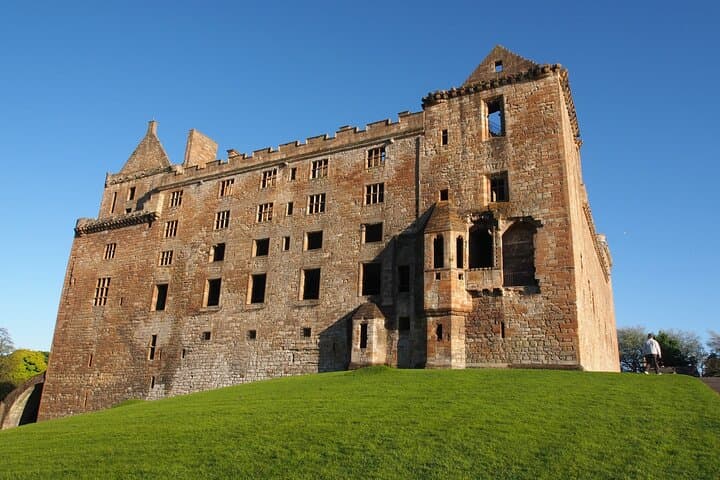
A low, bracing wind off the Firth of Forth greets the road out of Edinburgh and pushes you toward stone ramparts and battle-scarred hills. In a single day you move from the Georgian streets of the capital to Stirling’s fortress perching above the Trossachs, past the shallow mirror of Linlithgow Loch and on to Blackness Castle, a squat silhouette that looks like a ship beached on the estuary.
Verified experiences and guided adventures in the surrounding area.
Operated by UK Tours & Activites · Edinburgh, Scotland
A low, bracing wind off the Firth of Forth greets the road out of Edinburgh and pushes you toward stone ramparts and battle-scarred hills. In a single day you move from the Georgian streets of the capital to Stirling’s fortress perching above the Trossachs, past the shallow mirror of Linlithgow Loch and on to Blackness Castle, a squat silhouette that looks like a ship beached on the estuary.
These sites stitch together Scotland’s medieval and early-modern story: Stirling Castle stood at the heart of the Wars of Independence and later royal pageantry; Linlithgow Palace was a Stewart birthplace and a royal household; Blackness served as artillery stronghold and prison. Geologically, the area sits where lowland sedimentary basins meet ancient volcanic plugs—hence Stirling’s defensible crags and sweeping valley views. Locally you’ll hear tales of Mary, Queen of Scots, Robert the Bruce, and cinematic nods from modern productions.
Practically, the private transfer and licensed guide compress logistics so you can focus on rooms, ramparts and rivers. Expect short, mostly paved walks with steps inside historic buildings; uneven stone underfoot is common. Bring a waterproof layer, sturdy shoes, and time for photography at each outlook. If you opt for the longer 9‑hour option you get skip-the-line access at Linlithgow and Blackness; the 6‑hour route views them from outside. Aim for morning pickup from Edinburgh to catch softer light at Stirling and fewer crowds. Mind the weather—castles sit exposed and the estuary can change fast. With clear planning this is an accessible, richly historic day that reads like a compact field lesson in Scotland’s past.
easy.
6–9 hours.
Light fitness; able to walk short distances and climb stone steps intermittently.
Tours run about 6–9 hours depending on the option; the 9‑hour option includes skip‑the‑line entry to Linlithgow and Blackness.
The transfer is wheelchair accessible, but castle interiors have uneven stone floors and steps; check specific accessibility details in advance.
Skip‑the‑line entry to Stirling is included; Linlithgow and Blackness entry is included only with the 9‑hour option—confirm your booking choice.
Yes—lunch can be arranged on request or you can budget time to eat at a local café; notify the operator if you have dietary needs.
These sites trace Scotland’s power shifts from medieval Wars of Independence through Stewart court life; Linlithgow was a key royal birthplace and Stirling a strategic stronghold.
Historic Scotland and local trusts manage visitor access to protect fragile masonry and nearby habitats—stick to paths, avoid touching fragile surfaces, and follow signage.
UK Tours & Activites operates guided outdoor trips and adventures with an emphasis on safety, stewardship, and memorable experiences.
A low, bracing wind off the Firth of Forth greets the road out of Edinburgh and pushes you toward stone ramparts and battle-scarred hills. In a single day you move from the Georgian streets of the capital to Stirling’s fortress perching above the Trossachs, past the shallow mirror of Linlithgow Loch and on to Blackness Castle, a squat silhouette that looks like a ship beached on the estuary.
A low, bracing wind off the Firth of Forth greets the road out of Edinburgh and pushes you toward stone ramparts and battle-scarred hills. In a single day you move from the Georgian streets of the capital to Stirling’s fortress perching above the Trossachs, past the shallow mirror of Linlithgow Loch and on to Blackness Castle, a squat silhouette that looks like a ship beached on the estuary.
These sites stitch together Scotland’s medieval and early-modern story: Stirling Castle stood at the heart of the Wars of Independence and later royal pageantry; Linlithgow Palace was a Stewart birthplace and a royal household; Blackness served as artillery stronghold and prison. Geologically, the area sits where lowland sedimentary basins meet ancient volcanic plugs—hence Stirling’s defensible crags and sweeping valley views. Locally you’ll hear tales of Mary, Queen of Scots, Robert the Bruce, and cinematic nods from modern productions.
Practically, the private transfer and licensed guide compress logistics so you can focus on rooms, ramparts and rivers. Expect short, mostly paved walks with steps inside historic buildings; uneven stone underfoot is common. Bring a waterproof layer, sturdy shoes, and time for photography at each outlook. If you opt for the longer 9‑hour option you get skip-the-line access at Linlithgow and Blackness; the 6‑hour route views them from outside. Aim for morning pickup from Edinburgh to catch softer light at Stirling and fewer crowds. Mind the weather—castles sit exposed and the estuary can change fast. With clear planning this is an accessible, richly historic day that reads like a compact field lesson in Scotland’s past.