THE ADVENTURE COLLECTIVE® · Independent discovery and booking for outdoor travel

Combine the misty heights of Ba Na Hills and the carved caves of the Marble Mountains on a private-car day trip from Da Nang. Expect cable-car climbs, temple steps, and local stone workshops—plus practical tips for timing, footwear, and ticketing.
Combine the misty heights of Ba Na Hills and the carved caves of the Marble Mountains on a private-car day trip from Da Nang. Expect cable-car climbs, temple steps, and local stone workshops—plus practical tips for timing, footwear, and ticketing.
A low hum of tires and the glitter of the Han River recede as you drive out of Da Nang toward two very different pieces of central Vietnam.
Verified experiences and guided adventures in the surrounding area.
Operated by Hoi an local tour · Da Nang, Da Nang
A low hum of tires and the glitter of the Han River recede as you drive out of Da Nang toward two very different pieces of central Vietnam.
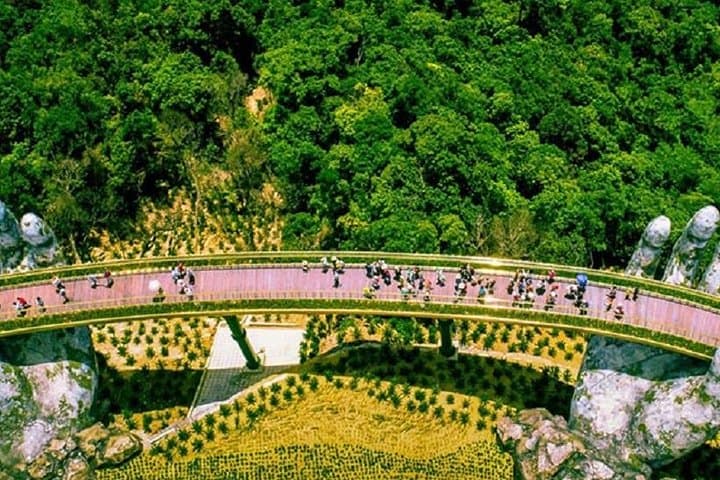
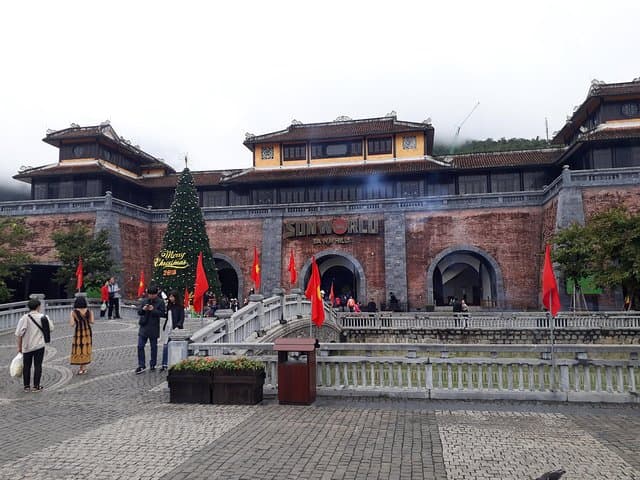
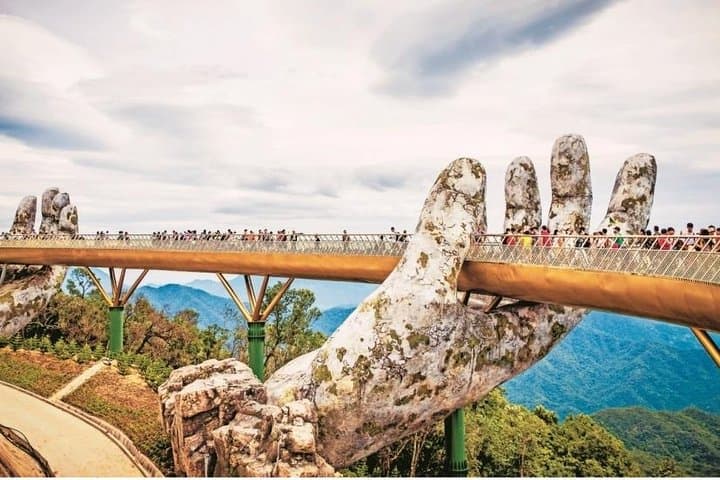
First stop: Ba Na Hills, where the Golden Bridge arcs like an aged hand held aloft above cloud and conifer. The bridge (about 150 meters) sits in a French-built resort first developed in 1919 and now reached by one of the world’s longest cable car runs. The cable car lifts you through mist and pine; the gardens, the Debay Wine Cellar and the French Village feel like a practiced theatrical set—vibrant, cool, and often breezy.
Later the car threads back toward the coast and the Marble Mountains (Ngu Hanh Son), five limestone and marble outcrops named for the five elements. Thuy Son (Water) is the tallest; inside are steep steps, carved pagodas, and pockets of caves where bats roost and monks once meditated. Local villages nearby keep a generations-old stonemasonry craft—small workshops where artisans chip and polish sculptures sold across Southeast Asia.
Practical guide: this private transfer handles the driving and parking, but entrance fees and the Ba Na cable car are usually extra. Expect stairs and uneven rock at Marble Mountains; the Golden Bridge involves walking and crowds. Bring sturdy shoes, a light layer (it’s cooler up high), bottled water, and small cash for local crafts. Aim for early morning or late afternoon to avoid peak crowds and mid-day heat. Be respectful at shrines, stick to marked paths to protect fragile limestone, and allow 4–7 hours for a relaxed round trip from Da Nang.
easy.
1–7 hours.
Suitable for travelers with basic mobility; involves stair climbs and short uphill walks at sites
Not usually; private transfer covers transportation and driver, but cable-car and site admissions are typically paid separately.
Depending on traffic, Ba Na Hills is about 45–60 minutes from central Da Nang; Marble Mountains are within 15–20 minutes.
Yes—physical demands are light overall, but Marble Mountains involve stairs and uneven ground; those with mobility issues should plan accordingly.
Yes—Dong Hai village and stalls near Marble Mountains sell carved art and souvenirs; bring cash and check for export regulations if buying large pieces.
Ba Na Hills began as a French hill station in 1919 and later expanded with modern cable-car links; Marble Mountains have long been a center for Buddhist shrines and stonemasonry.
High visitor numbers strain fragile limestone paths and hillside vegetation—stay on trails, avoid litter, and support local craftshops that use ethical sourcing.
Hoi an local tour operates guided outdoor trips and adventures with an emphasis on safety, stewardship, and memorable experiences.

A low hum of tires and the glitter of the Han River recede as you drive out of Da Nang toward two very different pieces of central Vietnam.
A low hum of tires and the glitter of the Han River recede as you drive out of Da Nang toward two very different pieces of central Vietnam.
First stop: Ba Na Hills, where the Golden Bridge arcs like an aged hand held aloft above cloud and conifer. The bridge (about 150 meters) sits in a French-built resort first developed in 1919 and now reached by one of the world’s longest cable car runs. The cable car lifts you through mist and pine; the gardens, the Debay Wine Cellar and the French Village feel like a practiced theatrical set—vibrant, cool, and often breezy.
Later the car threads back toward the coast and the Marble Mountains (Ngu Hanh Son), five limestone and marble outcrops named for the five elements. Thuy Son (Water) is the tallest; inside are steep steps, carved pagodas, and pockets of caves where bats roost and monks once meditated. Local villages nearby keep a generations-old stonemasonry craft—small workshops where artisans chip and polish sculptures sold across Southeast Asia.
Practical guide: this private transfer handles the driving and parking, but entrance fees and the Ba Na cable car are usually extra. Expect stairs and uneven rock at Marble Mountains; the Golden Bridge involves walking and crowds. Bring sturdy shoes, a light layer (it’s cooler up high), bottled water, and small cash for local crafts. Aim for early morning or late afternoon to avoid peak crowds and mid-day heat. Be respectful at shrines, stick to marked paths to protect fragile limestone, and allow 4–7 hours for a relaxed round trip from Da Nang.