THE ADVENTURE COLLECTIVE® · Independent discovery and booking for outdoor travel

Cross the Strait, climb into the Rif, and spend an immersive day wandering Chefchaouen’s blue medina on a private, all-inclusive excursion from Costa del Sol. This practical guide covers what you’ll see, why the town is blue, and how to prepare for a long but effortless day.
Cross the Strait, climb into the Rif, and spend an immersive day wandering Chefchaouen’s blue medina on a private, all-inclusive excursion from Costa del Sol. This practical guide covers what you’ll see, why the town is blue, and how to prepare for a long but effortless day.
Early on the road, the coast slips behind you and the Rif Mountains push forward like a living map, guiding a private vehicle and ferry across the Strait toward Chefchaouen’s cobalt alleys.
Verified experiences and guided adventures in the surrounding area.
Operated by Trip and Transfer · Chefchaouen, Tangier-Tetouan-Al Hoceima
Early on the road, the coast slips behind you and the Rif Mountains push forward like a living map, guiding a private vehicle and ferry across the Strait toward Chefchaouen’s cobalt alleys.
You arrive by sea and road in a day that stitches the Atlantic approach—Tarifa and Tangier’s ferry crossing, Cape Spartel’s where-waters-meet view, and the low, folded ridges of the Rif—into a concentrated cultural sprint. Chefchaouen’s blue medina opens gradually: stairways of cerulean, markets selling woven blankets and argan oil, and plazas where the afternoon light softens painted facades.
History here is visible in stone and color. Founded in the 15th century as a mountain outpost, the town later absorbed Andalusi and Jewish influences; the current blue palette has deep-rooted practical and cultural explanations, from insect repellant traditions to Jewish symbolism. Geologically, the Rif is a north–south belt of folded sedimentary rocks that gives the town its amphitheater feel, with narrow streets channeling cool air down from higher ridges.
Practical details matter on this long day: expect 9–10 hours including ferry time, guided walking on uneven cobbles, and three-hour blocks in the medina for sightseeing and lunch. Bring local currency for small purchases, a valid passport for border crossings, sun protection, and comfortable shoes with good grip. Plan arrival on the early ferry to avoid crowds and ask your guide for recommended café stops—the best flavor often comes from a table overlooked by a quiet blue courtyard.
easy.
9–10 hours.
Suitable for travelers who can handle several hours of walking on uneven surfaces and a full day of transfers
Yes—ferry tickets between Tarifa and Tangier are included as part of the all-inclusive itinerary.
Many nationalities can enter Morocco visa-free for short stays, but check current entry rules and ensure your passport is valid.
Expect several hours of walking on uneven, often steep cobbles; the tour schedules a guided walking segment of roughly 2–3 hours in the medina.
A traditional Moroccan lunch is included; additional snacks or cafe purchases are at your own expense.
Chefchaouen was founded in the 15th century as a defensive mountain outpost and later absorbed Andalusi and Jewish cultural influences that shaped its architecture and color traditions.
The Rif’s fragile soils and local water scarcity mean visitors should minimize waste, avoid single-use plastics, and respect local water use practices.
Trip and Transfer operates guided outdoor trips and adventures with an emphasis on safety, stewardship, and memorable experiences.

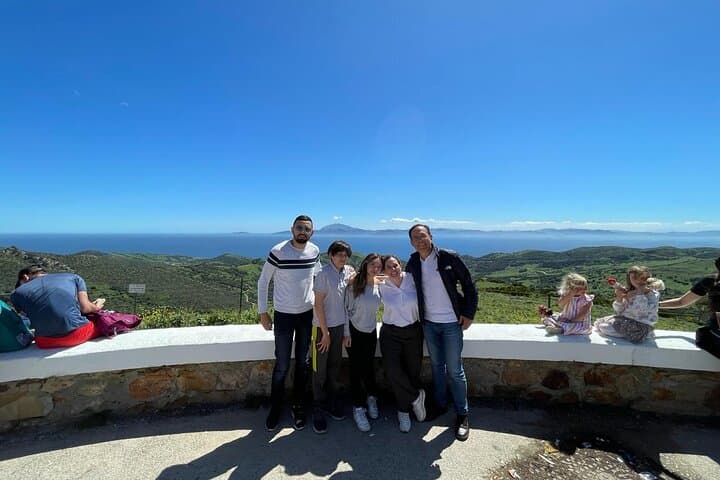
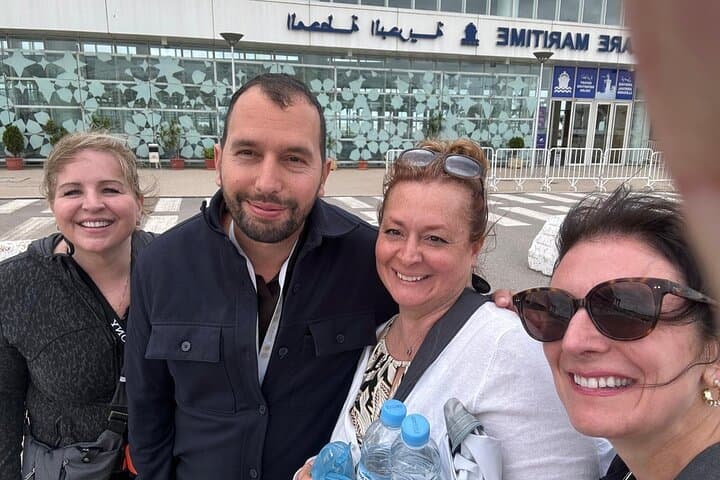

Early on the road, the coast slips behind you and the Rif Mountains push forward like a living map, guiding a private vehicle and ferry across the Strait toward Chefchaouen’s cobalt alleys.
Early on the road, the coast slips behind you and the Rif Mountains push forward like a living map, guiding a private vehicle and ferry across the Strait toward Chefchaouen’s cobalt alleys.
You arrive by sea and road in a day that stitches the Atlantic approach—Tarifa and Tangier’s ferry crossing, Cape Spartel’s where-waters-meet view, and the low, folded ridges of the Rif—into a concentrated cultural sprint. Chefchaouen’s blue medina opens gradually: stairways of cerulean, markets selling woven blankets and argan oil, and plazas where the afternoon light softens painted facades.
History here is visible in stone and color. Founded in the 15th century as a mountain outpost, the town later absorbed Andalusi and Jewish influences; the current blue palette has deep-rooted practical and cultural explanations, from insect repellant traditions to Jewish symbolism. Geologically, the Rif is a north–south belt of folded sedimentary rocks that gives the town its amphitheater feel, with narrow streets channeling cool air down from higher ridges.
Practical details matter on this long day: expect 9–10 hours including ferry time, guided walking on uneven cobbles, and three-hour blocks in the medina for sightseeing and lunch. Bring local currency for small purchases, a valid passport for border crossings, sun protection, and comfortable shoes with good grip. Plan arrival on the early ferry to avoid crowds and ask your guide for recommended café stops—the best flavor often comes from a table overlooked by a quiet blue courtyard.