THE ADVENTURE COLLECTIVE® · Independent discovery and booking for outdoor travel

A full-day coastal run from Colombo to Galle and Bentota that pairs colonial history with river and beach scenery. Expect seaside ramparts, a possible Madu River boat ride, turtle hatcheries and plenty of local flavors.
A full-day coastal run from Colombo to Galle and Bentota that pairs colonial history with river and beach scenery. Expect seaside ramparts, a possible Madu River boat ride, turtle hatcheries and plenty of local flavors.
A morning drive south from Colombo unfurls the coastline: palms lean toward a strip of turquoise, fishermen haul nets, and the sea pulses against the ramparts of Galle Fort like an old friend drawing near.
Verified experiences and guided adventures in the surrounding area.
Operated by Apple Vacations Pvt Ltd · Galle, Southern Province
A morning drive south from Colombo unfurls the coastline: palms lean toward a strip of turquoise, fishermen haul nets, and the sea pulses against the ramparts of Galle Fort like an old friend drawing near.
Galle's stone walls hold layers of history—Portuguese, Dutch and British hands reworked this port across centuries. Stroll the fort's walkways to find colonial architecture, a 19th‑century clock tower and the lighthouse that watches the bay. Further along the route, Bentota and the Madu River offer a different rhythm: narrow mangrove channels, cinnamon-wood islands and, if timed right, a short boat ride where the river dares the ocean's tide.
Geology here is simple and blunt—sandy beaches backed by low coastal ridges and mangrove-lined estuaries that filter run-off and shelter juvenile fish. Culture feels immediate: chai and king coconut vendors punctuate photo stops, while local crafts and the Dutch Hospital precinct offer modern cafés beneath colonial facades.
Practical guidance: expect a long day (12–14 hours) with several short walks and optional short boat trips. Wear comfortable walking shoes and a hat, carry a refillable water bottle, and pack a light rain shell for sudden tropical squalls. Bring cash for small entrance fees, tips and market purchases. If visiting turtle hatcheries, move slowly and avoid flash photography; conservation groups rely on visitors to follow simple rules.
Timing matters—late afternoon light softens the fort and eases heat, but morning departures beat traffic. The trip pairs easy cultural walking with low-impact nature experiences, making it a full-day option for travelers seeking history, coastline and riverside calm.
moderate.
12–14 hours.
Moderate — able to handle several hours of walking and a long day in a vehicle.
The itinerary runs about 12–14 hours depending on traffic; expect to return to Colombo late afternoon or early evening.
Some stops require separate entrance fees; optional activities such as the Madu River boat safari and hatchery visits are typically extra and paid locally.
Yes, but it involves a long day in transit; infants must sit on laps and travelers with spinal or heart issues should consult the provider’s restrictions.
Late afternoon offers warm, low-angle light and calmer crowds, while early morning gives softer light and cooler temperatures.
Galle was a major pre-colonial port later fortified by the Portuguese and rebuilt by the Dutch in the 17th century; its fort is a UNESCO World Heritage Site.
Local hatcheries and mangrove preservation projects work to protect turtles and estuarine biodiversity; visitors are asked to minimize plastic waste and follow site rules.
Apple Vacations Pvt Ltd operates guided outdoor trips and adventures with an emphasis on safety, stewardship, and memorable experiences.


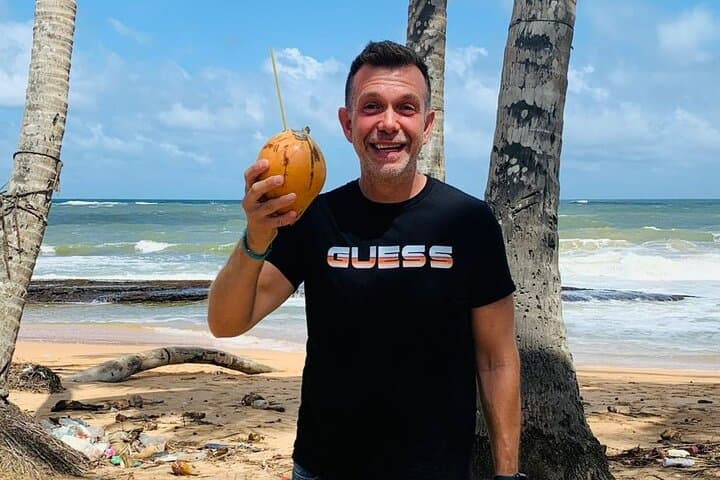

A morning drive south from Colombo unfurls the coastline: palms lean toward a strip of turquoise, fishermen haul nets, and the sea pulses against the ramparts of Galle Fort like an old friend drawing near.
A morning drive south from Colombo unfurls the coastline: palms lean toward a strip of turquoise, fishermen haul nets, and the sea pulses against the ramparts of Galle Fort like an old friend drawing near.
Galle's stone walls hold layers of history—Portuguese, Dutch and British hands reworked this port across centuries. Stroll the fort's walkways to find colonial architecture, a 19th‑century clock tower and the lighthouse that watches the bay. Further along the route, Bentota and the Madu River offer a different rhythm: narrow mangrove channels, cinnamon-wood islands and, if timed right, a short boat ride where the river dares the ocean's tide.
Geology here is simple and blunt—sandy beaches backed by low coastal ridges and mangrove-lined estuaries that filter run-off and shelter juvenile fish. Culture feels immediate: chai and king coconut vendors punctuate photo stops, while local crafts and the Dutch Hospital precinct offer modern cafés beneath colonial facades.
Practical guidance: expect a long day (12–14 hours) with several short walks and optional short boat trips. Wear comfortable walking shoes and a hat, carry a refillable water bottle, and pack a light rain shell for sudden tropical squalls. Bring cash for small entrance fees, tips and market purchases. If visiting turtle hatcheries, move slowly and avoid flash photography; conservation groups rely on visitors to follow simple rules.
Timing matters—late afternoon light softens the fort and eases heat, but morning departures beat traffic. The trip pairs easy cultural walking with low-impact nature experiences, making it a full-day option for travelers seeking history, coastline and riverside calm.