THE ADVENTURE COLLECTIVE® · Independent discovery and booking for outdoor travel

Make a long but rewarding day trip from Casablanca to Fès and step into the world’s largest medina with a licensed guide. Visit Bab Boujloud, the Chouara Tannery, Al Quaraouiyine, and local artisans, with private transport and a traditional lunch included.
Make a long but rewarding day trip from Casablanca to Fès and step into the world’s largest medina with a licensed guide. Visit Bab Boujloud, the Chouara Tannery, Al Quaraouiyine, and local artisans, with private transport and a traditional lunch included.
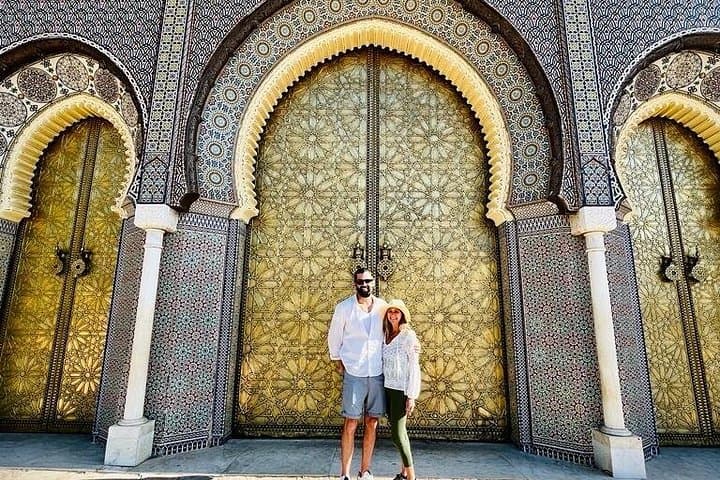
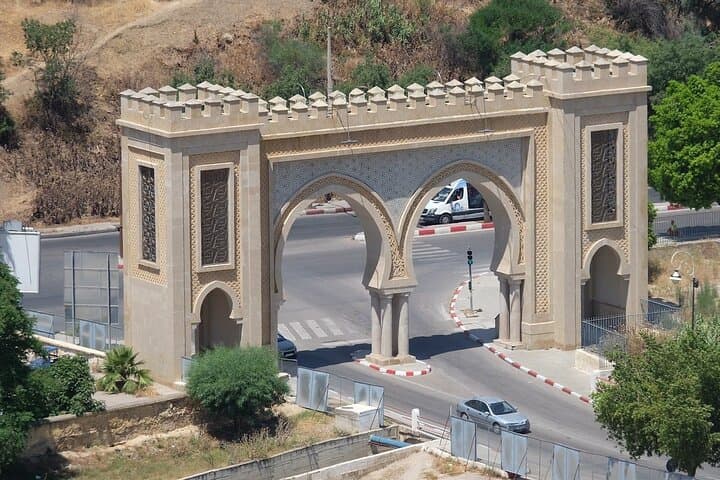
You arrive as the highway sheds its scrubby plains and the skyline of Fès rises, compact and ancient, like a city folded into itself. The blue-and-green tiles of Bab Boujloud mark the threshold; inside, narrow alleys pull you forward and the city speaks in the clack of mule hooves, the call of vendors, and the steady churn of tannery pits.
Verified experiences and guided adventures in the surrounding area.
Operated by Bekben travel · Fès, Fès-Meknès
You arrive as the highway sheds its scrubby plains and the skyline of Fès rises, compact and ancient, like a city folded into itself. The blue-and-green tiles of Bab Boujloud mark the threshold; inside, narrow alleys pull you forward and the city speaks in the clack of mule hooves, the call of vendors, and the steady churn of tannery pits.
Fès began growing into an intellectual hub in the 9th century and reached prominence under the Marinid dynasty in the 13th–14th centuries. The University of Al Quaraouiyine, founded in 859, anchors the medina’s scholarly legacy while the Chouara Tannery preserves pre-industrial leather techniques that rely on the Oued Fès to rinse and carry dye away—water here is work, not scenery.
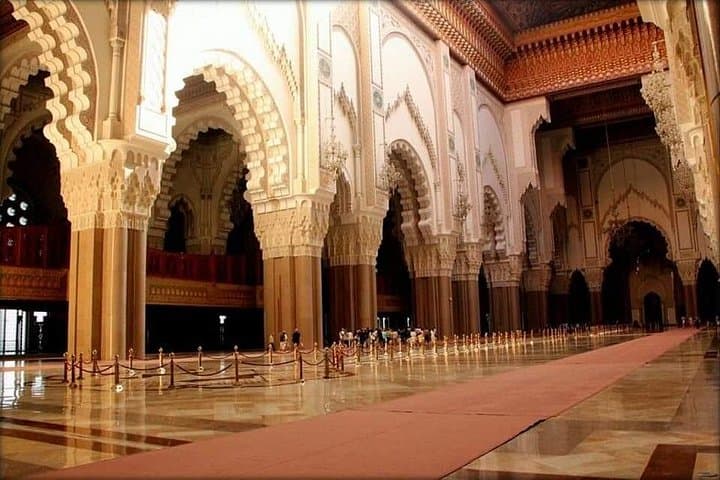
Stone, cedar, and mosaic tell the city's geology and craft: local limestone and imported cedar weave together in carved façades and shaded courtyards. The Mellah (old Jewish quarter) and the Ville Nouvelle show layers of cultural change from medieval trade to French-era urbanism.
Practical guide: this is a full 11–12 hour day with roughly three hours each way by private, air-conditioned transfer. Expect extensive walking on uneven, often crowded cobbles; modest dress is appropriate for religious sites. Bring water, sunscreen, and a small daypack; plan for guided segments at monuments like the Madrasa Bou Inania and viewpoints above the tannery. Photographs are best from elevated overlooks; respect artisan work and ask before shooting close portraits. If you prefer a slower pace, request extra time at a single souk or pottery workshop—your guide can reshape the day.
easy.
11–12 hours.
Suitable for most fitness levels but requires stamina for several hours of walking on uneven surfaces.
Driving time is approximately three hours each way on the highway; the full excursion lasts about 11–12 hours including guided visits and a lunch break.
Some attractions visited from the exterior are included; check your booking for specific admissions—your guide will advise on any required fees during the tour.
Many medina streets are narrow, stepped, and cobbled, which makes full access difficult; contact the operator to arrange a modified itinerary if needed.
Yes—leather goods, pottery, and textiles are available; bargain respectfully and inspect items for quality before purchase, and ask about customs restrictions for export.
Fès grew into a major cultural and religious center from the 9th century and was significantly developed under the Marinid dynasty in the 13th–14th centuries, leaving a dense medieval medina still largely intact.
The medina is a living urban fabric under pressure from tourism and development; support local artisans directly and avoid single-use plastics to reduce waste in crowded streets.
Bekben travel operates guided outdoor trips and adventures with an emphasis on safety, stewardship, and memorable experiences.
You arrive as the highway sheds its scrubby plains and the skyline of Fès rises, compact and ancient, like a city folded into itself. The blue-and-green tiles of Bab Boujloud mark the threshold; inside, narrow alleys pull you forward and the city speaks in the clack of mule hooves, the call of vendors, and the steady churn of tannery pits.
You arrive as the highway sheds its scrubby plains and the skyline of Fès rises, compact and ancient, like a city folded into itself. The blue-and-green tiles of Bab Boujloud mark the threshold; inside, narrow alleys pull you forward and the city speaks in the clack of mule hooves, the call of vendors, and the steady churn of tannery pits.
Fès began growing into an intellectual hub in the 9th century and reached prominence under the Marinid dynasty in the 13th–14th centuries. The University of Al Quaraouiyine, founded in 859, anchors the medina’s scholarly legacy while the Chouara Tannery preserves pre-industrial leather techniques that rely on the Oued Fès to rinse and carry dye away—water here is work, not scenery.
Stone, cedar, and mosaic tell the city's geology and craft: local limestone and imported cedar weave together in carved façades and shaded courtyards. The Mellah (old Jewish quarter) and the Ville Nouvelle show layers of cultural change from medieval trade to French-era urbanism.
Practical guide: this is a full 11–12 hour day with roughly three hours each way by private, air-conditioned transfer. Expect extensive walking on uneven, often crowded cobbles; modest dress is appropriate for religious sites. Bring water, sunscreen, and a small daypack; plan for guided segments at monuments like the Madrasa Bou Inania and viewpoints above the tannery. Photographs are best from elevated overlooks; respect artisan work and ask before shooting close portraits. If you prefer a slower pace, request extra time at a single souk or pottery workshop—your guide can reshape the day.