THE ADVENTURE COLLECTIVE® · Independent discovery and booking for outdoor travel

Spend a private day driving from Bucharest into the Carpathians to visit Doftana, Izvorul Alb and the royal palaces of Sinaia. This 8–10 hour tour blends village life, monastery visits and the ornate interiors of Peleș and Pelișor with a relaxed, scenic drive.
Spend a private day driving from Bucharest into the Carpathians to visit Doftana, Izvorul Alb and the royal palaces of Sinaia. This 8–10 hour tour blends village life, monastery visits and the ornate interiors of Peleș and Pelișor with a relaxed, scenic drive.
Morning light pushes through the coach windows as the road rises from Bucharest into the lower flanks of the Carpathians. Travelers trade apartment blocks for rolling pastures; rivers dare the asphalt with bright, rushing crossings. The guide’s voice sketches out place names while olive-gray hills and farmhouse roofs slip by—this is a day designed to turn the commute into the first chapter of the itinerary.
Verified experiences and guided adventures in the surrounding area.
Operated by Romanian Unique Tours · Sinaia, Prahova County
Morning light pushes through the coach windows as the road rises from Bucharest into the lower flanks of the Carpathians. Travelers trade apartment blocks for rolling pastures; rivers dare the asphalt with bright, rushing crossings. The guide’s voice sketches out place names while olive-gray hills and farmhouse roofs slip by—this is a day designed to turn the commute into the first chapter of the itinerary.
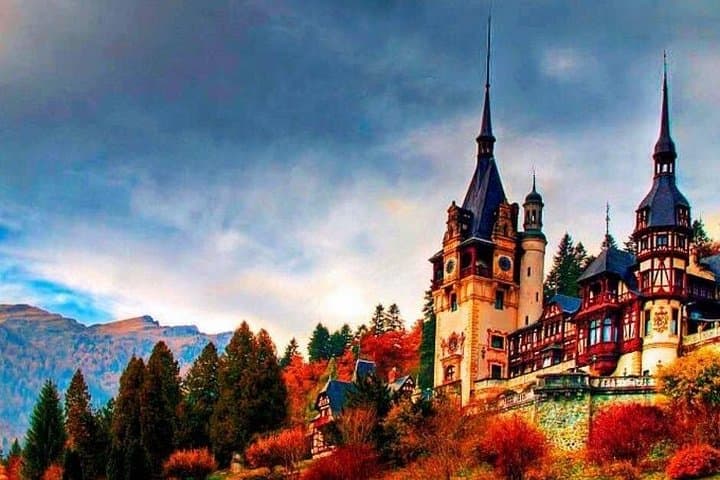
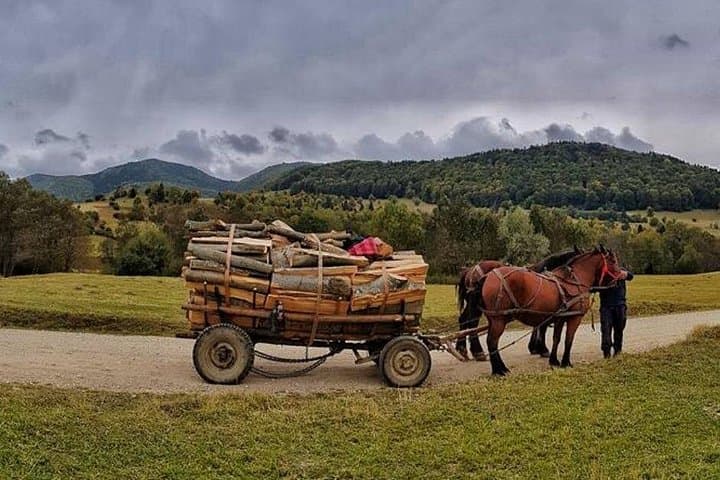
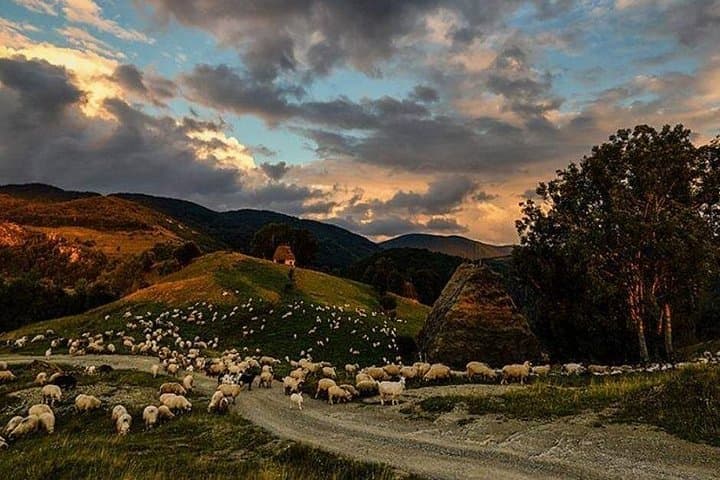
The route threads between cultural layers: Bucharest’s triumphal monuments recall 19th- and 20th-century nation-building, while Sinaia’s Peleș Castle — completed for Romania’s monarchy in the late 1800s — shows a European Neo‑Renaissance influence in carved wood and stained glass. Nearby villages such as Doftana and Izvorul Alb preserve vernacular architecture and a slower pace; local monasteries and village squares reveal how mountain clergy and peasant life have shaped the valley.
Expect an 8–10 hour private excursion with roughly two hours each way in an air‑conditioned vehicle and two hours stopovers at Doftana/Izvorul Alb and at Sinaia for Peleș and Pelișor. Terrain at stops is flat to gently sloped; walking is short and accessible but involves cobbled lanes and steps inside historic sites. Practical essentials: carry layered clothing, modest footwear for palace interiors and village paths, and a small daypack for water and camera gear. Time visits early to avoid tour‑group crowds at Peleș and allow flexibility for spontaneous village stops. The day balances cultural depth with straightforward logistics—ideal for travelers who want concentrated history and mountain views without an overnight trek.
easy.
8–10 hours.
Suitable for travelers in normal physical condition; walking is short but involves steps and uneven village paths
The tour typically departs from Bucharest and returns there the same day; specific pickup points are arranged at booking.
Check the booking details—this itinerary lists palace visits but entrance fees may be separate depending on operator arrangements; confirm before travel.
Stops involve short walks and some steps; the coach is accessible but the palace and village terrain may limit access for those with significant mobility constraints.
Guides can often suggest or arrange simple local snacks; communicate dietary requirements when booking so appropriate stops can be planned.
Peleș Castle was commissioned in the late 19th century as a royal summer residence reflecting European styles; the Doftana area preserves rural traditions and monastic sites tied to regional history.
These valleys lie near sensitive mountain ecosystems—practice leave‑no‑trace at village outskirts and respect signage around protected forested slopes.
Romanian Unique Tours operates guided outdoor trips and adventures with an emphasis on safety, stewardship, and memorable experiences.
Morning light pushes through the coach windows as the road rises from Bucharest into the lower flanks of the Carpathians. Travelers trade apartment blocks for rolling pastures; rivers dare the asphalt with bright, rushing crossings. The guide’s voice sketches out place names while olive-gray hills and farmhouse roofs slip by—this is a day designed to turn the commute into the first chapter of the itinerary.
Morning light pushes through the coach windows as the road rises from Bucharest into the lower flanks of the Carpathians. Travelers trade apartment blocks for rolling pastures; rivers dare the asphalt with bright, rushing crossings. The guide’s voice sketches out place names while olive-gray hills and farmhouse roofs slip by—this is a day designed to turn the commute into the first chapter of the itinerary.
The route threads between cultural layers: Bucharest’s triumphal monuments recall 19th- and 20th-century nation-building, while Sinaia’s Peleș Castle — completed for Romania’s monarchy in the late 1800s — shows a European Neo‑Renaissance influence in carved wood and stained glass. Nearby villages such as Doftana and Izvorul Alb preserve vernacular architecture and a slower pace; local monasteries and village squares reveal how mountain clergy and peasant life have shaped the valley.
Expect an 8–10 hour private excursion with roughly two hours each way in an air‑conditioned vehicle and two hours stopovers at Doftana/Izvorul Alb and at Sinaia for Peleș and Pelișor. Terrain at stops is flat to gently sloped; walking is short and accessible but involves cobbled lanes and steps inside historic sites. Practical essentials: carry layered clothing, modest footwear for palace interiors and village paths, and a small daypack for water and camera gear. Time visits early to avoid tour‑group crowds at Peleș and allow flexibility for spontaneous village stops. The day balances cultural depth with straightforward logistics—ideal for travelers who want concentrated history and mountain views without an overnight trek.