THE ADVENTURE COLLECTIVE® · Independent discovery and booking for outdoor travel

Travel north from Beirut for a focused day among Tripoli’s citadel, busy souks and Mamluk mosques, then relax along Batroun’s ancient sea wall with a fresh Lebanese lunch included. This small-group tour pairs history, coastal geology and local flavor in an eight-hour itinerary.
Travel north from Beirut for a focused day among Tripoli’s citadel, busy souks and Mamluk mosques, then relax along Batroun’s ancient sea wall with a fresh Lebanese lunch included. This small-group tour pairs history, coastal geology and local flavor in an eight-hour itinerary.
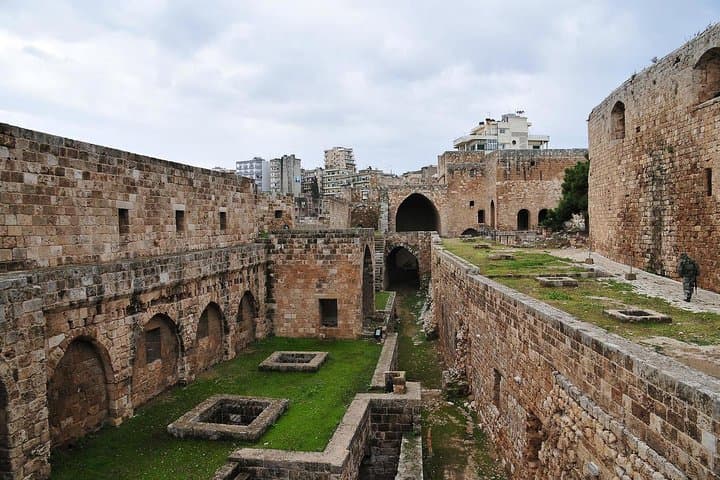
The morning air off the Mediterranean is bracing as the minivan pulls out of Beirut and the coastal road unwinds north; you feel the city fall away and the sea widen to your left. By mid-morning the crenellated silhouette of Tripoli’s citadel rises above packed-up market roofs, and the guide’s voice threads together stories of crusaders, Mamluk builders and Phoenician traders.
Verified experiences and guided adventures in the surrounding area.
Operated by Lebanon Tours & travels · Tripoli, North Governorate
The morning air off the Mediterranean is bracing as the minivan pulls out of Beirut and the coastal road unwinds north; you feel the city fall away and the sea widen to your left. By mid-morning the crenellated silhouette of Tripoli’s citadel rises above packed-up market roofs, and the guide’s voice threads together stories of crusaders, Mamluk builders and Phoenician traders.
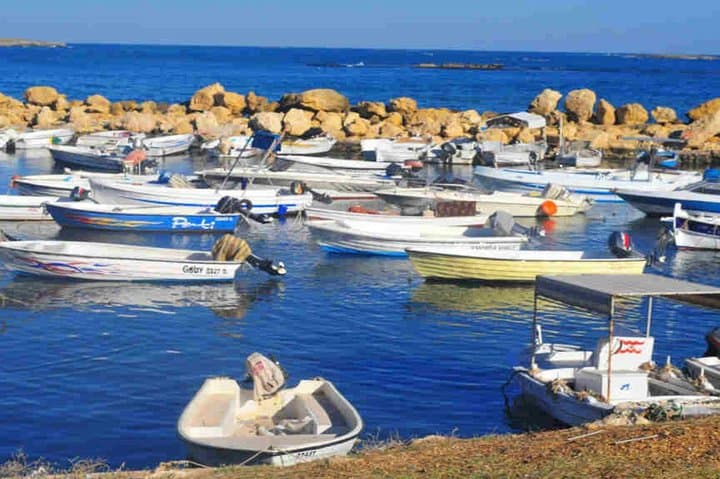
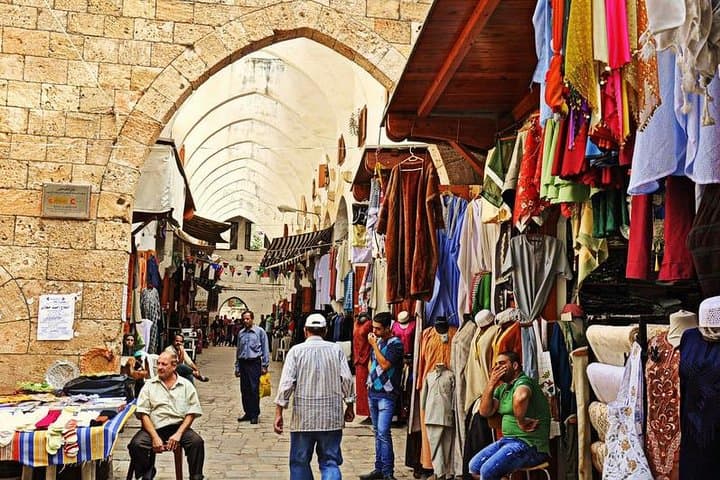
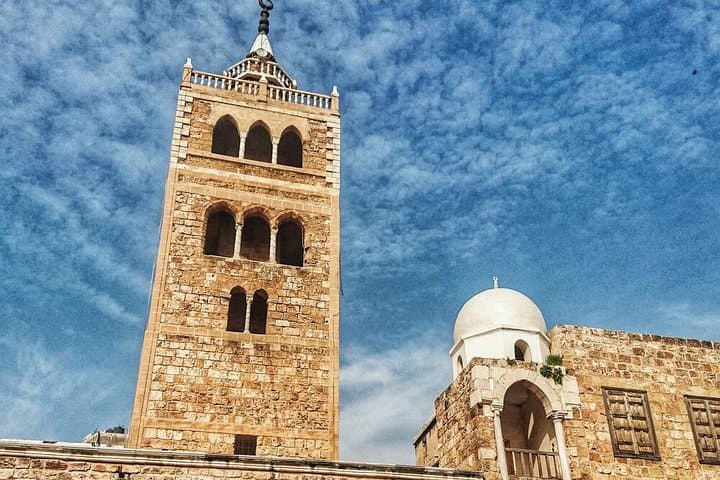
Tripoli is ancient stone and layered history — a Crusader octagonal keep grafted onto Fatimid foundations, Mamluk mosques with carved portals, and a souk network where craftsmen still hammer brass, fold sweets and sell soap by the kilo. Geologically the coast here is a mix of limestone outcrops and reclaimed coastal plains; Batroun’s Phoenician sea wall is essentially hardened, ancient dunes reinforced with stone, a practical answer to storm-swept shores.
Cultural rhythms show in hammams, khans and the rhythm of market bargaining; expect a convivial lunch that highlights mezze, fresh citrus and seafood if local catch allows. Batroun contrasts Tripoli’s dense lanes with seaside promenades, small beaches and coral-strewn shallows that invite a brisk shoreline walk.
Practicalities: this is an eight-hour, small-group excursion with hotel pickup from Beirut, air-conditioned transport and included admissions and lunch. Wear grippy walking shoes for uneven cobbles, bring sun protection and cash for small purchases in the souks. The tour’s pace mixes guided walking with seated breaks — plan for a full day but light exertion. For photographers and history-minded travelers it’s a compact, efficient way to see northern Lebanon’s living heritage in one go.
easy.
8 hours.
Suitable for travelers in average fitness; involves several short walks, stairs and standing during site visits.
Yes — the itinerary includes an authentic Lebanese lunch at a local restaurant in either Tripoli or Batroun, depending on the day's schedule.
Most listed admissions are included as part of the tour; your confirmation will note which specific sites are covered.
The tour is approximately eight hours with hotel pickup and drop-off from Beirut included for most central hotels.
The tour is rated easy and suitable for most fitness levels, though uneven surfaces and some stairs mean limited mobility guests should check accessibility options with the operator.
Tripoli and Batroun are layered settlements from Phoenician ports to Crusader and Mamluk centers; many buildings preserve architectural elements reused across eras.
Coastal sites face erosion and marine pressure; avoid removing shells or disturbing protected shoreline areas and support local businesses that respect conservation rules.
Lebanon Tours & travels operates guided outdoor trips and adventures with an emphasis on safety, stewardship, and memorable experiences.
The morning air off the Mediterranean is bracing as the minivan pulls out of Beirut and the coastal road unwinds north; you feel the city fall away and the sea widen to your left. By mid-morning the crenellated silhouette of Tripoli’s citadel rises above packed-up market roofs, and the guide’s voice threads together stories of crusaders, Mamluk builders and Phoenician traders.
The morning air off the Mediterranean is bracing as the minivan pulls out of Beirut and the coastal road unwinds north; you feel the city fall away and the sea widen to your left. By mid-morning the crenellated silhouette of Tripoli’s citadel rises above packed-up market roofs, and the guide’s voice threads together stories of crusaders, Mamluk builders and Phoenician traders.
Tripoli is ancient stone and layered history — a Crusader octagonal keep grafted onto Fatimid foundations, Mamluk mosques with carved portals, and a souk network where craftsmen still hammer brass, fold sweets and sell soap by the kilo. Geologically the coast here is a mix of limestone outcrops and reclaimed coastal plains; Batroun’s Phoenician sea wall is essentially hardened, ancient dunes reinforced with stone, a practical answer to storm-swept shores.
Cultural rhythms show in hammams, khans and the rhythm of market bargaining; expect a convivial lunch that highlights mezze, fresh citrus and seafood if local catch allows. Batroun contrasts Tripoli’s dense lanes with seaside promenades, small beaches and coral-strewn shallows that invite a brisk shoreline walk.
Practicalities: this is an eight-hour, small-group excursion with hotel pickup from Beirut, air-conditioned transport and included admissions and lunch. Wear grippy walking shoes for uneven cobbles, bring sun protection and cash for small purchases in the souks. The tour’s pace mixes guided walking with seated breaks — plan for a full day but light exertion. For photographers and history-minded travelers it’s a compact, efficient way to see northern Lebanon’s living heritage in one go.