THE ADVENTURE COLLECTIVE® · Independent discovery and booking for outdoor travel

A full‑day small‑group tour from Beirut that pairs the colossal Roman temples of Baalbek with the ancient Cedars of God and the cliffside monasteries of Qozhaya—history and mountain scenery in one route. Read practical tips on timing, terrain and what to pack.
A full‑day small‑group tour from Beirut that pairs the colossal Roman temples of Baalbek with the ancient Cedars of God and the cliffside monasteries of Qozhaya—history and mountain scenery in one route. Read practical tips on timing, terrain and what to pack.
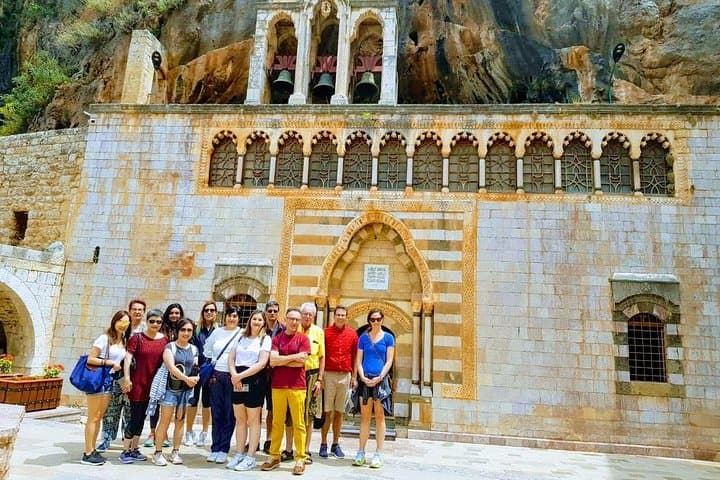
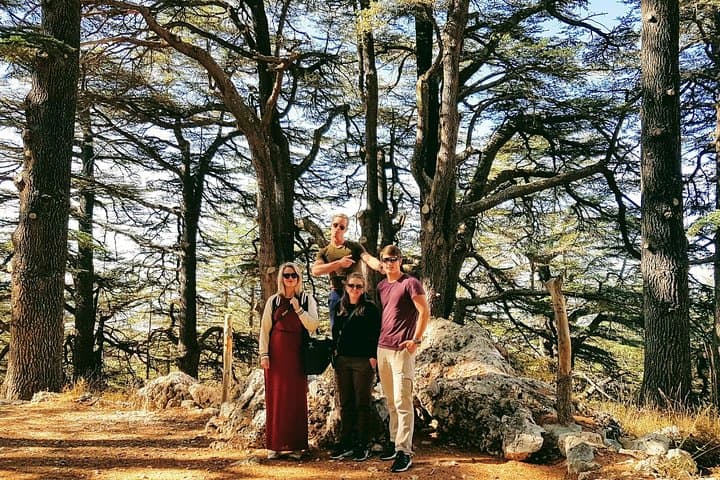
You step out of the air‑conditioned van as wind off the Anti‑Lebanon lifts dust from the plain. The ruins of Baalbek dominate the horizon—massive stone and empty pedestals that keep the heat and the echo of millennia. Later, the road climbs into green terraces; in the Qadisha (Qozhaya) Valley, monasteries peer from steep cliffs while the Cedars of God stand gnarled and silent at the ridge, their trunks older than most modern nations.
Verified experiences and guided adventures in the surrounding area.
Operated by Lebanon Tours & travels · Baalbek, Beqaa
You step out of the air‑conditioned van as wind off the Anti‑Lebanon lifts dust from the plain. The ruins of Baalbek dominate the horizon—massive stone and empty pedestals that keep the heat and the echo of millennia. Later, the road climbs into green terraces; in the Qadisha (Qozhaya) Valley, monasteries peer from steep cliffs while the Cedars of God stand gnarled and silent at the ridge, their trunks older than most modern nations.
Historically, these sites knit together Phoenician, Hellenistic and Roman worlds: Baalbek was Heliopolis, a major sanctuary whose Temple of Jupiter and Temple of Bacchus reflect imperial ambition in stone. Geologically, the Bekaa is a high Fertile Plain between Lebanon’s ranges, while the Qadisha gorge was carved by streams that invited early hermits and monasteries. Culturally, the cedar is national icon—cited in ancient texts and carved into the Lebanese flag—while Bcharre preserves Maronite and literary heritage, including Khalil Gibran’s museum.
Practical guidance: expect an 8–9 hour day with hotel pickup from Beirut, moderate vehicle time and short walks at sites. Bring a daypack, sun protection and comfortable shoes for uneven terrain at temple platforms and forest paths. Lunch is included—sample regional mezze and grilled dishes at a local restaurant—so carry cash for extras and tips. Aim for a spring or autumn visit to avoid peak summer heat and winter road closures. The tour suits travelers of most fitness levels but includes stairs and short uphill approaches. Arrive prepared for sun, sudden wind on exposed ruins, and narrow mountain roads on the way back to the coast.
easy.
8–9 hours.
Suitable for most fitness levels; requires short walks, stairs, and some standing at sites
Yes—this tour includes entry/admission to the historical sites at Baalbek as listed in the inclusions.
The tour is approximately 8–9 hours with hotel pickup and drop‑off from Beirut included.
It’s suitable for most ages, but the itinerary includes stairs and uneven surfaces; travelers with mobility limitations should notify the operator in advance.
A fresh, authentic Lebanese lunch is included—expect mezze and local dishes; notify the operator ahead for dietary restrictions.
Baalbek grew from a Phoenician sanctuary into the Roman imperial cult center of Heliopolis; the Qadisha Valley sheltered early Christian hermits and monasteries from the 4th century onward.
The Cedars of God are a protected remnant; visitors are encouraged to stay on marked paths to limit root damage and to avoid littering in the fragile high‑altitude ecosystem.
Lebanon Tours & travels operates guided outdoor trips and adventures with an emphasis on safety, stewardship, and memorable experiences.
You step out of the air‑conditioned van as wind off the Anti‑Lebanon lifts dust from the plain. The ruins of Baalbek dominate the horizon—massive stone and empty pedestals that keep the heat and the echo of millennia. Later, the road climbs into green terraces; in the Qadisha (Qozhaya) Valley, monasteries peer from steep cliffs while the Cedars of God stand gnarled and silent at the ridge, their trunks older than most modern nations.
You step out of the air‑conditioned van as wind off the Anti‑Lebanon lifts dust from the plain. The ruins of Baalbek dominate the horizon—massive stone and empty pedestals that keep the heat and the echo of millennia. Later, the road climbs into green terraces; in the Qadisha (Qozhaya) Valley, monasteries peer from steep cliffs while the Cedars of God stand gnarled and silent at the ridge, their trunks older than most modern nations.
Historically, these sites knit together Phoenician, Hellenistic and Roman worlds: Baalbek was Heliopolis, a major sanctuary whose Temple of Jupiter and Temple of Bacchus reflect imperial ambition in stone. Geologically, the Bekaa is a high Fertile Plain between Lebanon’s ranges, while the Qadisha gorge was carved by streams that invited early hermits and monasteries. Culturally, the cedar is national icon—cited in ancient texts and carved into the Lebanese flag—while Bcharre preserves Maronite and literary heritage, including Khalil Gibran’s museum.
Practical guidance: expect an 8–9 hour day with hotel pickup from Beirut, moderate vehicle time and short walks at sites. Bring a daypack, sun protection and comfortable shoes for uneven terrain at temple platforms and forest paths. Lunch is included—sample regional mezze and grilled dishes at a local restaurant—so carry cash for extras and tips. Aim for a spring or autumn visit to avoid peak summer heat and winter road closures. The tour suits travelers of most fitness levels but includes stairs and short uphill approaches. Arrive prepared for sun, sudden wind on exposed ruins, and narrow mountain roads on the way back to the coast.