THE ADVENTURE COLLECTIVE® · Independent discovery and booking for outdoor travel

Travel from Amman into northern Jordan on a compact day loop that pairs Jerash’s Roman colonnades with Ajloun’s hilltop castle and Umm Qais’s dramatic gorge views. Expect 6–8 hours of sightseeing with moderate walking on uneven stone.
Travel from Amman into northern Jordan on a compact day loop that pairs Jerash’s Roman colonnades with Ajloun’s hilltop castle and Umm Qais’s dramatic gorge views. Expect 6–8 hours of sightseeing with moderate walking on uneven stone.
A cool morning in Amman dissolves into open highway as the city’s traffic gives way to olive-splashed hills and limestone terraces.
Verified experiences and guided adventures in the surrounding area.
Operated by no name · Amman, Amman Governorate
A cool morning in Amman dissolves into open highway as the city’s traffic gives way to olive-splashed hills and limestone terraces.
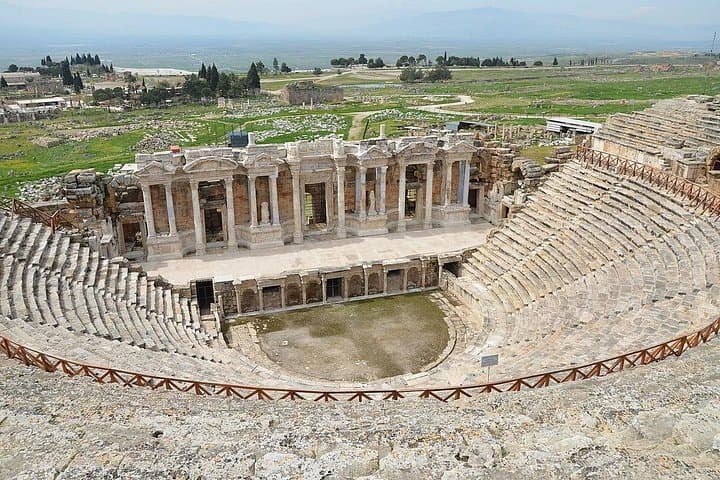
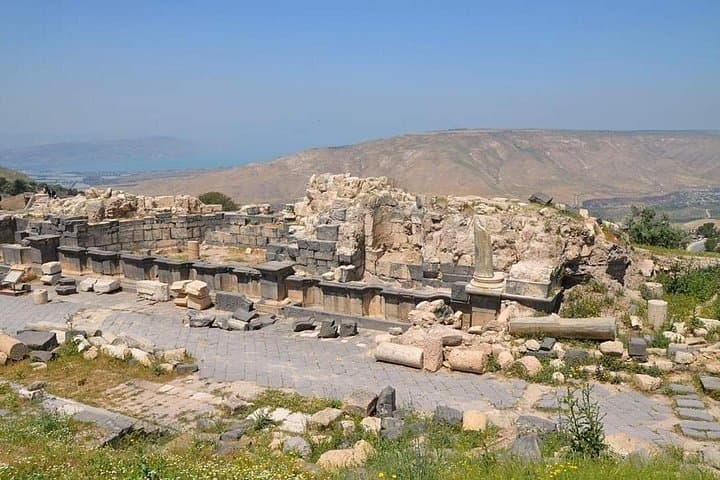
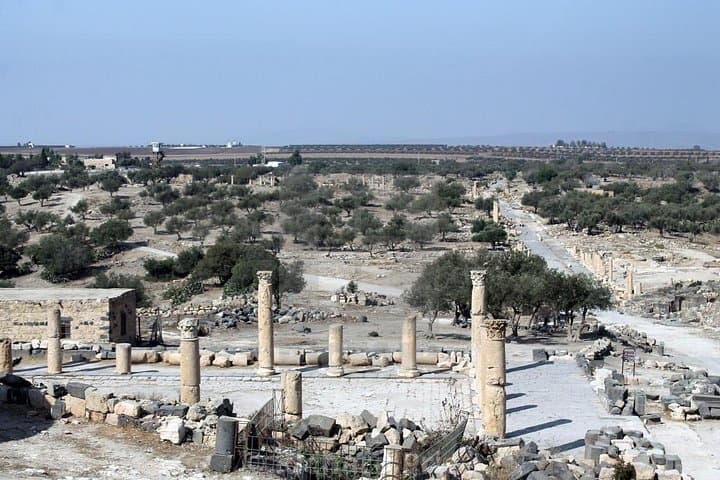
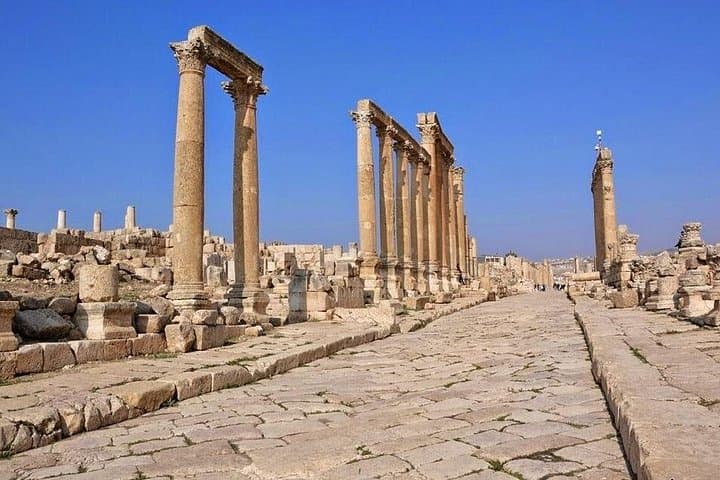
By midmorning the vehicle climbs toward Jerash: columns rise from the earth like memory, the colonnaded street still bearing the grooves of ancient chariot wheels. The air here is dry and clean; stones hum underfoot and pigeons wheel through Hadrian’s Arch. Later, at Ajloun, forested slopes press close and the castle perches like a watchful strategist above winding valleys. At Umm Qais (ancient Gadara), the landscape opens—deep panoramas across the Yarmouk Gorge toward the Sea of Galilee—where basalt tomb doorways and a compact Byzantine basilica terrace anchor centuries of history.
This loop stitches Roman urban planning, Byzantine ecclesiastical traces, and medieval military architecture into a single day. Geologically, the region sits on Upper Cretaceous limestone with basalt outcrops at Umm Qais; that contrast shaped ancient settlement and tomb construction. Culturally, northern Jordan blends rural agricultural life with a long arc of Hellenistic, Roman and Ottoman influences—local vendors sell za’atar and fresh flatbreads outside the sites.
Practical guide: expect 6–8 hours, mostly seated transit with several 30–90 minute walking segments on uneven stone and steps. Wear sturdy walking shoes, carry water and sun protection, and plan to pay site entrance if not included. Morning light is best for Jerash; late afternoon gives the finest vistas at Umm Qais. Travel with an English-speaking driver simplifies logistics and lets you focus on the ruins and the view.
easy.
6–8 hours.
Suitable for most travelers in average fitness; involves several short to moderate walks on uneven ground.
Pickup and drop-off in Amman are included; confirm your exact pickup point when booking.
Entrance fees are typically not included—confirm at booking and bring cash or card for site tickets.
Short to moderate walks at each site (30–90 minute visits) on uneven surfaces and steps—suitable for most visitors.
Some areas have uneven terrain and steps; certain promenades are accessible but ask the operator about exact accessibility for your needs.
Jerash preserves one of the best examples of Roman urban planning outside Italy; Ajloun Castle is a 12th-century Ayyubid fortification built to control strategic passes.
Sites are protected and sensitive to foot traffic—stay on marked paths, avoid touching fragile masonry, and support local guides to ensure sustainable visitation.
no name operates guided outdoor trips and adventures with an emphasis on safety, stewardship, and memorable experiences.
A cool morning in Amman dissolves into open highway as the city’s traffic gives way to olive-splashed hills and limestone terraces.
A cool morning in Amman dissolves into open highway as the city’s traffic gives way to olive-splashed hills and limestone terraces.
By midmorning the vehicle climbs toward Jerash: columns rise from the earth like memory, the colonnaded street still bearing the grooves of ancient chariot wheels. The air here is dry and clean; stones hum underfoot and pigeons wheel through Hadrian’s Arch. Later, at Ajloun, forested slopes press close and the castle perches like a watchful strategist above winding valleys. At Umm Qais (ancient Gadara), the landscape opens—deep panoramas across the Yarmouk Gorge toward the Sea of Galilee—where basalt tomb doorways and a compact Byzantine basilica terrace anchor centuries of history.
This loop stitches Roman urban planning, Byzantine ecclesiastical traces, and medieval military architecture into a single day. Geologically, the region sits on Upper Cretaceous limestone with basalt outcrops at Umm Qais; that contrast shaped ancient settlement and tomb construction. Culturally, northern Jordan blends rural agricultural life with a long arc of Hellenistic, Roman and Ottoman influences—local vendors sell za’atar and fresh flatbreads outside the sites.
Practical guide: expect 6–8 hours, mostly seated transit with several 30–90 minute walking segments on uneven stone and steps. Wear sturdy walking shoes, carry water and sun protection, and plan to pay site entrance if not included. Morning light is best for Jerash; late afternoon gives the finest vistas at Umm Qais. Travel with an English-speaking driver simplifies logistics and lets you focus on the ruins and the view.