THE ADVENTURE COLLECTIVE® · Independent discovery and booking for outdoor travel

Trace human history from 1.5-million-year-old stone tools to medieval rock-hewn churches on a full-day guided trip south of Addis Ababa. Expect museum displays, short uneven walks, and UNESCO-listed stelae at Tiya.
Trace human history from 1.5-million-year-old stone tools to medieval rock-hewn churches on a full-day guided trip south of Addis Ababa. Expect museum displays, short uneven walks, and UNESCO-listed stelae at Tiya.
You step into the highland air before the bus has emptied — cool, dry, scented with dust and distant eucalyptus — and the day rearranges itself around stone.
Verified experiences and guided adventures in the surrounding area.
Operated by Ethio Travel And Tours · Addis Ababa, Addis Ababa
You step into the highland air before the bus has emptied — cool, dry, scented with dust and distant eucalyptus — and the day rearranges itself around stone.
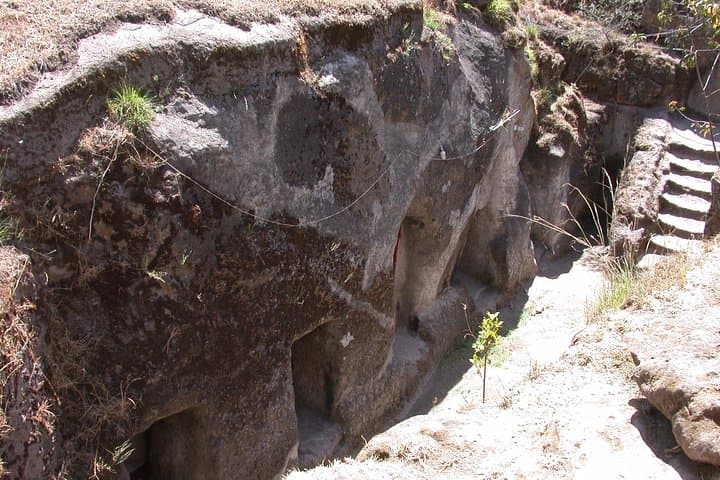
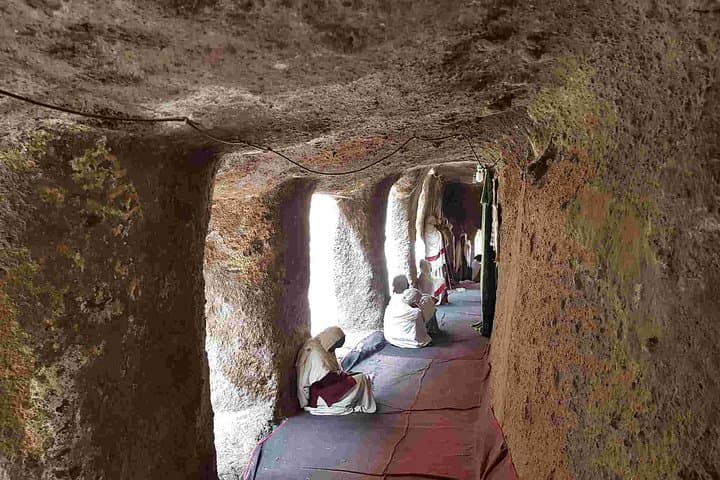
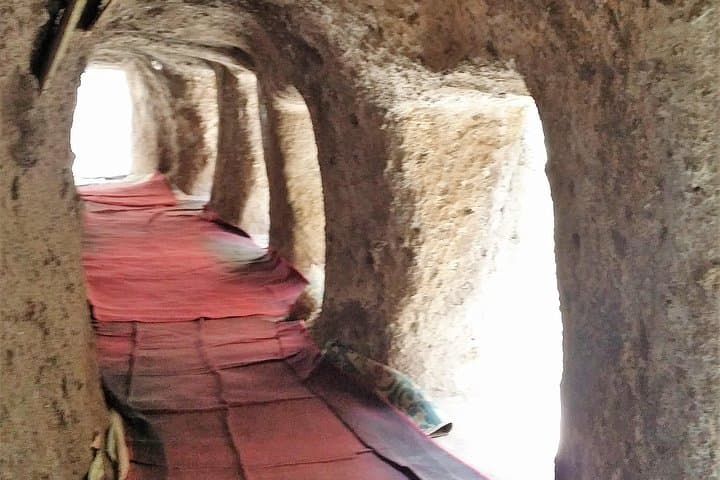
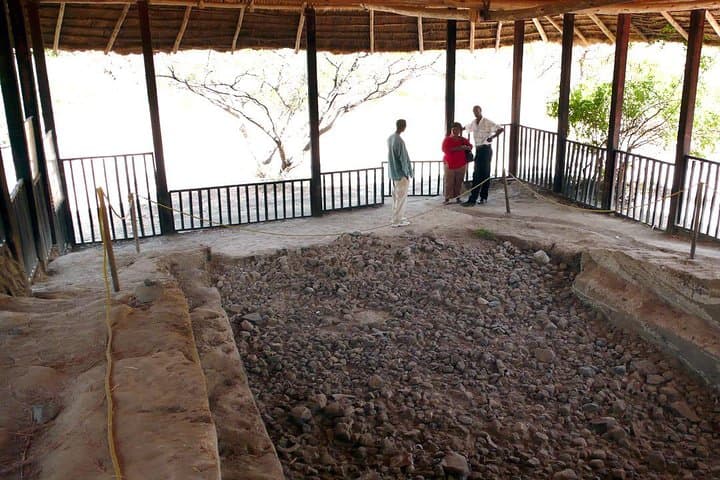
The route threads south of Addis Ababa through scrubby hills toward Melka Kunture, where open excavations and a modest museum lay out the slow invention of humanity: stone tools dated to about 1.5 million years and fossil finds approaching two million years old. From there the road carries you to Adadi Mariam, a single-block rock-hewn church carved in the medieval period in a style that echoes the better-known Lalibela structures but sits closer to the capital. The day ends amid Tiya’s standing stelae — a UNESCO site of decorated grave markers whose enigmatic symbols speak to a long-lived local funerary tradition.
Geology here is visible: volcanic tuff softened by time, cut and shaped by hands and later weather. Culture and faith intersect on narrow church thresholds and rural village lanes; your guide will parse inscriptions, stone-tool typology, and local oral history.
Practicalities: expect a 7–10 hour outing with hotel pickup, an air-conditioned vehicle, bottled water, and short walks on uneven ground. Wear sturdy shoes, sun protection, and a light layer for morning chill. Bring your passport for bookings, a small donation if you enter active church spaces, and cash for local vendors and tips. Photography is usually allowed but be respectful in liturgical areas. The pace is gentle but historically dense — a day that trades elevation for deep time and quiet monuments.
easy.
7–10 hours.
Suitable for most fitness levels; involves several short walks over uneven ground and standing in museums or around sites
The full-day excursion runs about 7–10 hours depending on traffic and time at each site; expect hotel pickup and drop-off in Addis Ababa.
This tour itinerary indicates admissions to Melka Kunture and other sites are included, but confirm at booking for any museum fees.
Walks are short but on uneven ground; the tour is rated easy and suitable for most travelers who can manage short trails and steps.
Photography is generally allowed at archaeological sites; in active church spaces, ask your guide and observe local customs before taking pictures.
The Tiya stelae are part of a medieval-era funerary landscape and are UNESCO-listed for their cultural significance; Melka Kunture has yielded stone tools and fossils that speak to early hominid activity in the Rift Highlands.
These fragile archaeological sites require low-impact visitation: stay on marked paths, avoid touching carved surfaces, and support local conservation through guide fees and modest donations.
Ethio Travel And Tours operates guided outdoor trips and adventures with an emphasis on safety, stewardship, and memorable experiences.
You step into the highland air before the bus has emptied — cool, dry, scented with dust and distant eucalyptus — and the day rearranges itself around stone.
You step into the highland air before the bus has emptied — cool, dry, scented with dust and distant eucalyptus — and the day rearranges itself around stone.
The route threads south of Addis Ababa through scrubby hills toward Melka Kunture, where open excavations and a modest museum lay out the slow invention of humanity: stone tools dated to about 1.5 million years and fossil finds approaching two million years old. From there the road carries you to Adadi Mariam, a single-block rock-hewn church carved in the medieval period in a style that echoes the better-known Lalibela structures but sits closer to the capital. The day ends amid Tiya’s standing stelae — a UNESCO site of decorated grave markers whose enigmatic symbols speak to a long-lived local funerary tradition.
Geology here is visible: volcanic tuff softened by time, cut and shaped by hands and later weather. Culture and faith intersect on narrow church thresholds and rural village lanes; your guide will parse inscriptions, stone-tool typology, and local oral history.
Practicalities: expect a 7–10 hour outing with hotel pickup, an air-conditioned vehicle, bottled water, and short walks on uneven ground. Wear sturdy shoes, sun protection, and a light layer for morning chill. Bring your passport for bookings, a small donation if you enter active church spaces, and cash for local vendors and tips. Photography is usually allowed but be respectful in liturgical areas. The pace is gentle but historically dense — a day that trades elevation for deep time and quiet monuments.