THE ADVENTURE COLLECTIVE® · Independent discovery and booking for outdoor travel

Leave Addis for an eight-hour cultural circuit through Ethiopia’s past: Paleolithic finds at Melka Kunture, the engraved stelae of Tiya and the rock-hewn Adadi Mariam church. This practical guide explains what to expect and how to prepare.
Leave Addis for an eight-hour cultural circuit through Ethiopia’s past: Paleolithic finds at Melka Kunture, the engraved stelae of Tiya and the rock-hewn Adadi Mariam church. This practical guide explains what to expect and how to prepare.
A dust-flecked road peels away from Addis Ababa and opens onto wide highland grasslands; the engine hum is the steady companion as villages slide past, children waving from compound walls. The first stop, Melka Kunture, places you face-to-face with deep time — vitrified stone tools and display cases that trace human behavior back over a million years.
Verified experiences and guided adventures in the surrounding area.
Operated by East Africa Tour Operator · Tiya, Oromia
A dust-flecked road peels away from Addis Ababa and opens onto wide highland grasslands; the engine hum is the steady companion as villages slide past, children waving from compound walls. The first stop, Melka Kunture, places you face-to-face with deep time — vitrified stone tools and display cases that trace human behavior back over a million years.
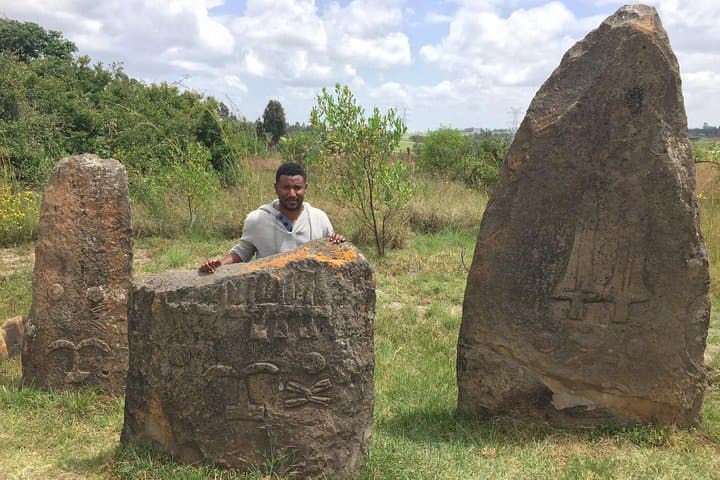
From Paleolithic floors the tour moves south to Tiya, where upright stelae puncture the fields like silent markers. Many carry incised motifs — swords, circles, and enigmatic bands — that hint at funerary practice and social order in medieval Ethiopia. Further along, Adadi Mariam offers a different kind of carved presence: a rock-hewn church whose architecture echoes the better-known churches of Lalibela while retaining a rougher, local character.
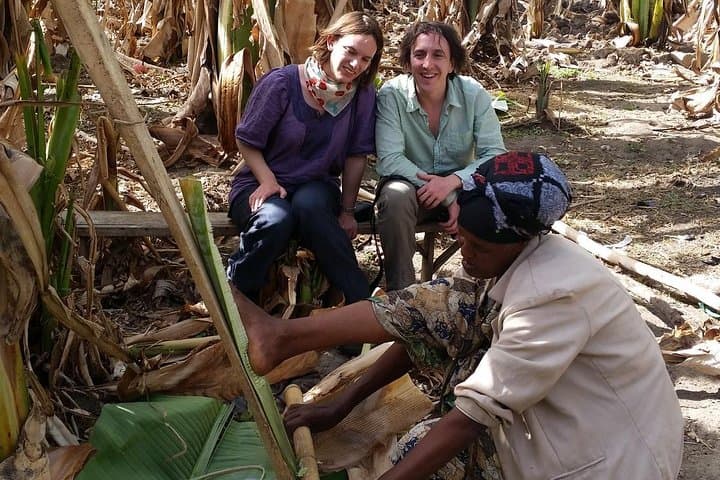
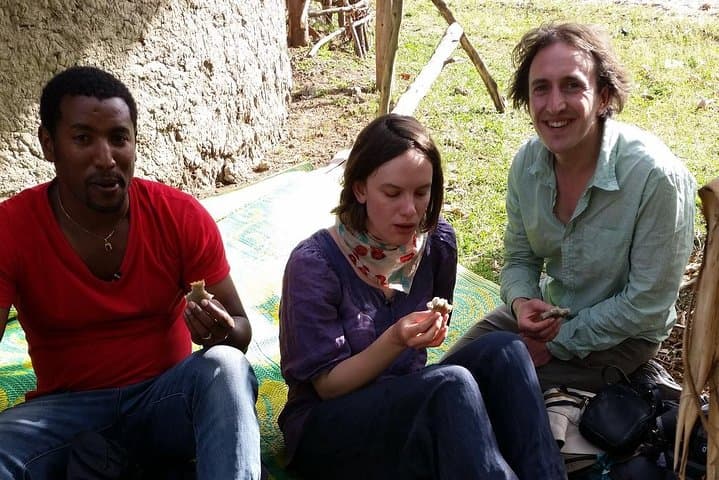
Geology here is simple and honest: volcanic uplands and scoria beds that preserve artifacts and permit rock-cut architecture. Cultural life is present at every stop — farmers making kocho (enset bread) demonstrate a staple preparation still central to southern households, and local stewards interpret the stones with practical pride.
Practical guidance: expect an eight-hour outing with mostly short walks and some uneven ground; wear sturdy shoes, sun protection and bring a small daypack. The tour includes bottled water, lunch and private air-conditioned transport; admissions to Melka Kunture and Adadi Mariam are provided. Plan for dusty lanes after dry spells and for afternoon cloudbursts in the rainy season. Respect the stelae and church: stay on paths, refrain from climbing the monuments, and tip guides who share living history.
easy.
8 hours.
Basic mobility is sufficient; participants should be able to walk short distances on uneven ground and climb a few low steps.
Admissions to Melka Kunture and Adadi Mariam are included on this excursion; Tiya’s field visit is typically outside fee structures but local access is arranged by the operator.
Expect short walks of 10–30 minutes at each site on uneven terrain; no long hikes or heavy carrying are required.
Lunch and bottled water are included; notify the operator of dietary restrictions at booking so they can accommodate where possible.
The tour is family-friendly and classified as easy, but infants must sit on laps; infant seats are available—confirm when booking.
Melka Kunture is a Paleolithic site with artifacts over a million years old; Tiya’s engraved stelae date to the medieval period and are a UNESCO World Heritage site, while Adadi Mariam is a locally significant rock-hewn church echoing traditions found in Lalibela.
These sites are sensitive to erosion and human impact; stay on designated paths, avoid touching carved surfaces, and support local guides and community-run initiatives that help preserve the landscapes.
East Africa Tour Operator operates guided outdoor trips and adventures with an emphasis on safety, stewardship, and memorable experiences.
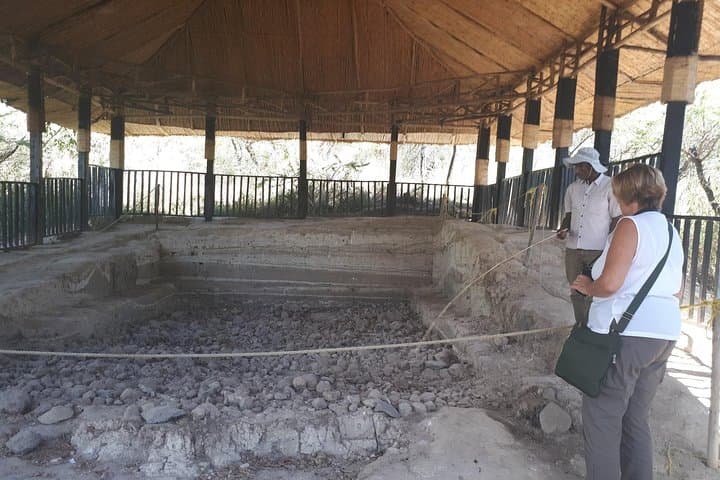
A dust-flecked road peels away from Addis Ababa and opens onto wide highland grasslands; the engine hum is the steady companion as villages slide past, children waving from compound walls. The first stop, Melka Kunture, places you face-to-face with deep time — vitrified stone tools and display cases that trace human behavior back over a million years.
A dust-flecked road peels away from Addis Ababa and opens onto wide highland grasslands; the engine hum is the steady companion as villages slide past, children waving from compound walls. The first stop, Melka Kunture, places you face-to-face with deep time — vitrified stone tools and display cases that trace human behavior back over a million years.
From Paleolithic floors the tour moves south to Tiya, where upright stelae puncture the fields like silent markers. Many carry incised motifs — swords, circles, and enigmatic bands — that hint at funerary practice and social order in medieval Ethiopia. Further along, Adadi Mariam offers a different kind of carved presence: a rock-hewn church whose architecture echoes the better-known churches of Lalibela while retaining a rougher, local character.
Geology here is simple and honest: volcanic uplands and scoria beds that preserve artifacts and permit rock-cut architecture. Cultural life is present at every stop — farmers making kocho (enset bread) demonstrate a staple preparation still central to southern households, and local stewards interpret the stones with practical pride.
Practical guidance: expect an eight-hour outing with mostly short walks and some uneven ground; wear sturdy shoes, sun protection and bring a small daypack. The tour includes bottled water, lunch and private air-conditioned transport; admissions to Melka Kunture and Adadi Mariam are provided. Plan for dusty lanes after dry spells and for afternoon cloudbursts in the rainy season. Respect the stelae and church: stay on paths, refrain from climbing the monuments, and tip guides who share living history.