THE ADVENTURE COLLECTIVE® · Independent discovery and booking for outdoor travel

Leave Accra behind for a 4–6 hour ridge-side escape to Aburi Botanical Gardens and the historic Tetteh Quarshie Cocoa Farm. Discover colonial-era plantings, fresh ridge views, and the origins of Ghanaian cocoa—with practical tips for timing, terrain, and local buys.
Leave Accra behind for a 4–6 hour ridge-side escape to Aburi Botanical Gardens and the historic Tetteh Quarshie Cocoa Farm. Discover colonial-era plantings, fresh ridge views, and the origins of Ghanaian cocoa—with practical tips for timing, terrain, and local buys.
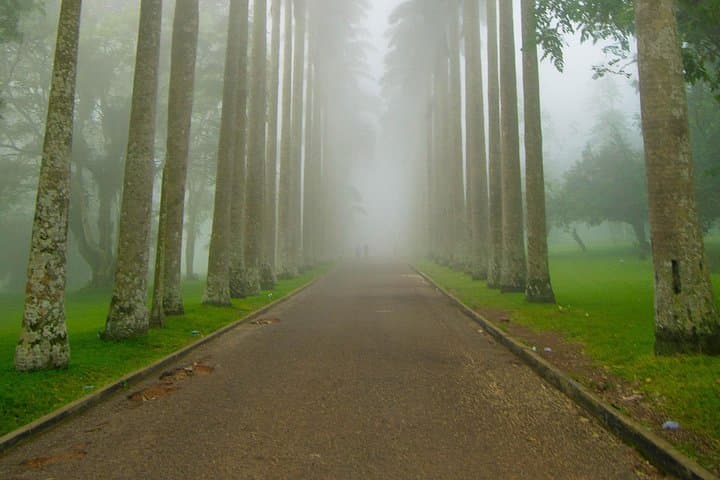
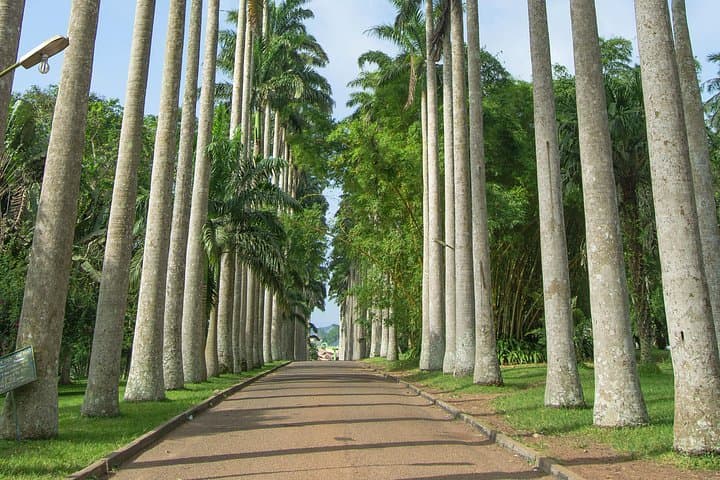
A cool breeze rolls off the Akuapem Ridge and the city noise thins to a distant hum as the road climbs toward Aburi. Trees lean over the carriageway and the light shifts—green becomes a deeper, more deliberate color—and the gardens open like a living classroom. Visitors step onto lawns threaded with shaded paths, where the strangler fig casts wide, sculptural shadows and birds call like punctuation.
Verified experiences and guided adventures in the surrounding area.
Operated by Ghana Experience · Aburi, Eastern Region
A cool breeze rolls off the Akuapem Ridge and the city noise thins to a distant hum as the road climbs toward Aburi. Trees lean over the carriageway and the light shifts—green becomes a deeper, more deliberate color—and the gardens open like a living classroom. Visitors step onto lawns threaded with shaded paths, where the strangler fig casts wide, sculptural shadows and birds call like punctuation.
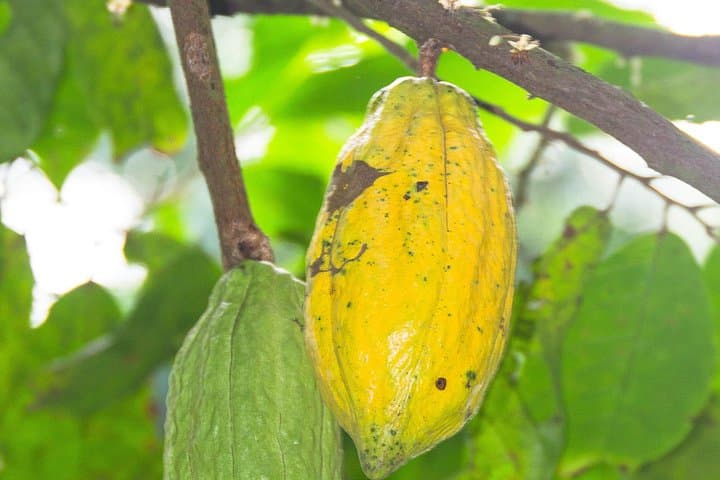
The Aburi Botanical Gardens date to the late 19th century, established during the colonial era as an experimental station for tropical plants. Nearby, the Tetteh Quarshie Cocoa Farm ties directly to Ghana’s economic and cultural history: it commemorates the farmer who brought the first cocoa seed to the Gold Coast, planting the crop that would transform the region.
Geology here is gentle: rounded hills of the Akuapem Ridge give panoramic views back toward Accra and the Gulf of Guinea. Culturally, the route passes small market stalls and craft workshops where local artisans sell wood carvings and woven goods—easy places to pick up a tangible memory.
Practical guidance: this is a relaxed, mostly accessible day tour (4–6 hours). Expect paved and compacted garden paths, brief walking between sites, and some uneven earth near plantation plots. Bring sun protection, modest footwear for garden soil, and cash for small purchases. Mornings are cooler and best for bird activity; afternoons warm up quickly and can reduce the time spent wandering. Hydrate on the ridge—the air feels fresh but the sun still pushes forward.
easy.
4–6 hours.
Suitable for general fitness; involves gentle walking and short standing periods
The excursion typically lasts 4–6 hours, covering the botanical gardens, cocoa farm, and a stop at a local craft market.
Yes—paths are mostly easy and the tour is rated accessible for a wide range of fitness levels; check pickup options for mobility needs.
If cocoa pods are in season, guides often offer samples of fresh cocoa pulp; chocolate processing is seasonal and not guaranteed.
Most organized tours include admissions to the gardens and cocoa farm, but confirm with your operator and carry cash for optional purchases.
Tetteh Quarshie is honored for bringing cocoa seed to the Gold Coast in the late 19th century, launching Ghana’s global cocoa industry.
The botanical gardens manage several rare and endangered plant specimens and the cocoa sector here emphasizes sustainable practices amid pressure to expand cultivation.
Ghana Experience operates guided outdoor trips and adventures with an emphasis on safety, stewardship, and memorable experiences.
A cool breeze rolls off the Akuapem Ridge and the city noise thins to a distant hum as the road climbs toward Aburi. Trees lean over the carriageway and the light shifts—green becomes a deeper, more deliberate color—and the gardens open like a living classroom. Visitors step onto lawns threaded with shaded paths, where the strangler fig casts wide, sculptural shadows and birds call like punctuation.
A cool breeze rolls off the Akuapem Ridge and the city noise thins to a distant hum as the road climbs toward Aburi. Trees lean over the carriageway and the light shifts—green becomes a deeper, more deliberate color—and the gardens open like a living classroom. Visitors step onto lawns threaded with shaded paths, where the strangler fig casts wide, sculptural shadows and birds call like punctuation.
The Aburi Botanical Gardens date to the late 19th century, established during the colonial era as an experimental station for tropical plants. Nearby, the Tetteh Quarshie Cocoa Farm ties directly to Ghana’s economic and cultural history: it commemorates the farmer who brought the first cocoa seed to the Gold Coast, planting the crop that would transform the region.
Geology here is gentle: rounded hills of the Akuapem Ridge give panoramic views back toward Accra and the Gulf of Guinea. Culturally, the route passes small market stalls and craft workshops where local artisans sell wood carvings and woven goods—easy places to pick up a tangible memory.
Practical guidance: this is a relaxed, mostly accessible day tour (4–6 hours). Expect paved and compacted garden paths, brief walking between sites, and some uneven earth near plantation plots. Bring sun protection, modest footwear for garden soil, and cash for small purchases. Mornings are cooler and best for bird activity; afternoons warm up quickly and can reduce the time spent wandering. Hydrate on the ridge—the air feels fresh but the sun still pushes forward.