THE ADVENTURE COLLECTIVE® · Independent discovery and booking for outdoor travel

Escape Addis for a day at Debre Libanos and the Jema Gorge—where an active monastery, cliffside viewpoints and endemic wildlife combine with short hikes and striking geology. This accessible day trip blends culture, nature, and scenic drives north of the capital.
Escape Addis for a day at Debre Libanos and the Jema Gorge—where an active monastery, cliffside viewpoints and endemic wildlife combine with short hikes and striking geology. This accessible day trip blends culture, nature, and scenic drives north of the capital.
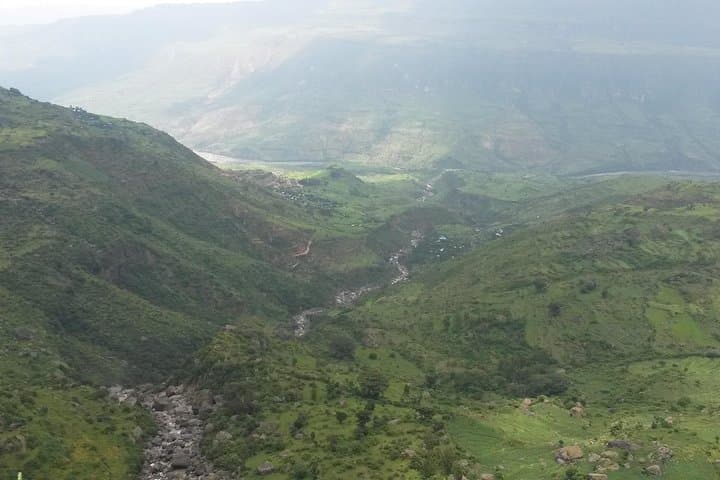
A morning drive north from Addis Ababa opens into a widening valley where the road strips away the city's noise and the Jema River begins to dare you toward the gorge. You arrive at Debre Libanos with sunlight slanting across limestone cliffs; pilgrims thread the monastery courtyard while hawks and vultures wheel above the drop.
Verified experiences and guided adventures in the surrounding area.
Operated by Aspire Ethiopia Tours · Debre Libanos, Oromia
A morning drive north from Addis Ababa opens into a widening valley where the road strips away the city's noise and the Jema River begins to dare you toward the gorge. You arrive at Debre Libanos with sunlight slanting across limestone cliffs; pilgrims thread the monastery courtyard while hawks and vultures wheel above the drop.
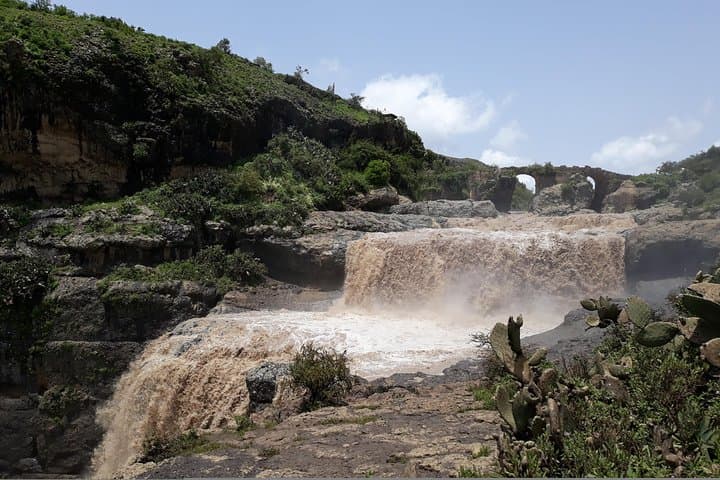
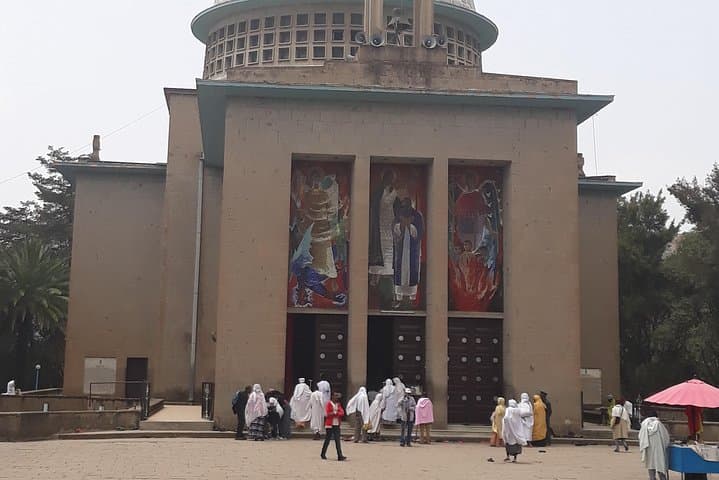
Debre Libanos was founded in the medieval period and is one of Ethiopia's oldest active monastic sites, tied to the legacy of Saint Tekle Haymanot. The monastery museum preserves illuminated manuscripts and ecclesiastical antiques; stair-glass paintings in the church narrate Old and New Testament scenes in bold, local palettes. Geologically the Jema (Blue Nile) Gorge cuts into Miocene volcanic and sedimentary layers—sheer cliffs and exposed strata that funnel seasonal waterfalls during the June–September rains.
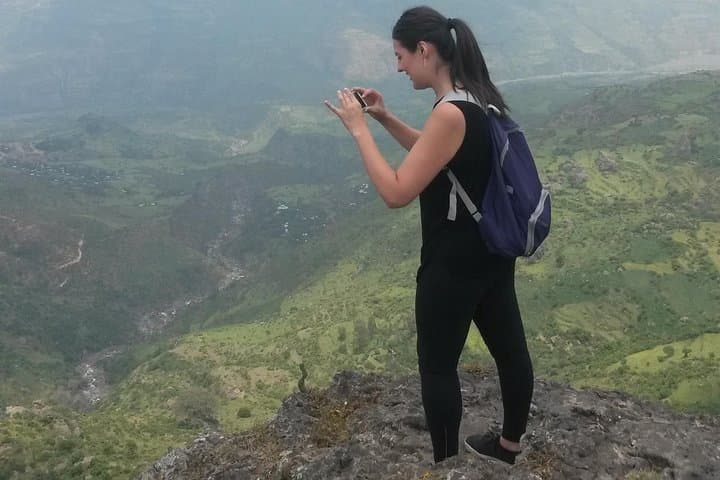
Expect a short, approachable hike to the holy water cave and a lookout at a 16th-century bridge that frames the river and populations of endemic gelada baboons on the cliffs below. The tour balances cultural respect (modest dress, quiet in worship spaces) with outdoor practicality: uneven stone steps, dusty tracks, and exposed viewpoints.
Practical guidance: start early for cooler light and fewer visitors, carry at least 1.5 liters of water, wear closed shoes for limestone steps, and bring a light layer against canyon winds. Photography opportunities are frequent but be mindful of worshippers and museum rules—ask before photographing people or sacred objects.
easy.
5–7 hours.
Suitable for most fitness levels—requires short, moderate walking on uneven stone steps and dirt tracks.
The excursion runs roughly 5–7 hours with short hikes—most stops include 15–30 minute walks and a 20-minute uphill path to the holy water cave.
Yes—modest clothing (covered shoulders and knees) is expected; men and women should avoid revealing outfits and behave quietly inside worship spaces.
Yes—look for gelada baboons on the cliffs and raptors above the gorge; sightings depend on season and time of day.
Most operators include pickup from central Addis hotels—confirm your pickup point and time when booking.
Debre Libanos dates to the medieval era and is linked to Saint Tekle Haymanot; its museum preserves illuminated manuscripts and religious artifacts central to Ethiopia's Orthodox tradition.
The gorge’s fragile cliffs and cultural sites benefit from staying on trails, avoiding littering, and following photography rules in sacred areas to reduce impact.
Aspire Ethiopia Tours operates guided outdoor trips and adventures with an emphasis on safety, stewardship, and memorable experiences.
A morning drive north from Addis Ababa opens into a widening valley where the road strips away the city's noise and the Jema River begins to dare you toward the gorge. You arrive at Debre Libanos with sunlight slanting across limestone cliffs; pilgrims thread the monastery courtyard while hawks and vultures wheel above the drop.
A morning drive north from Addis Ababa opens into a widening valley where the road strips away the city's noise and the Jema River begins to dare you toward the gorge. You arrive at Debre Libanos with sunlight slanting across limestone cliffs; pilgrims thread the monastery courtyard while hawks and vultures wheel above the drop.
Debre Libanos was founded in the medieval period and is one of Ethiopia's oldest active monastic sites, tied to the legacy of Saint Tekle Haymanot. The monastery museum preserves illuminated manuscripts and ecclesiastical antiques; stair-glass paintings in the church narrate Old and New Testament scenes in bold, local palettes. Geologically the Jema (Blue Nile) Gorge cuts into Miocene volcanic and sedimentary layers—sheer cliffs and exposed strata that funnel seasonal waterfalls during the June–September rains.
Expect a short, approachable hike to the holy water cave and a lookout at a 16th-century bridge that frames the river and populations of endemic gelada baboons on the cliffs below. The tour balances cultural respect (modest dress, quiet in worship spaces) with outdoor practicality: uneven stone steps, dusty tracks, and exposed viewpoints.
Practical guidance: start early for cooler light and fewer visitors, carry at least 1.5 liters of water, wear closed shoes for limestone steps, and bring a light layer against canyon winds. Photography opportunities are frequent but be mindful of worshippers and museum rules—ask before photographing people or sacred objects.