THE ADVENTURE COLLECTIVE® · Independent discovery and booking for outdoor travel

Visit Chichén Itzá with an expert guide, swim in a jungle cenote, and stroll colonial Valladolid on a full-day trip from Cancún. Learn practical tips—from preservation fees to swim essentials—before you go.
Visit Chichén Itzá with an expert guide, swim in a jungle cenote, and stroll colonial Valladolid on a full-day trip from Cancún. Learn practical tips—from preservation fees to swim essentials—before you go.
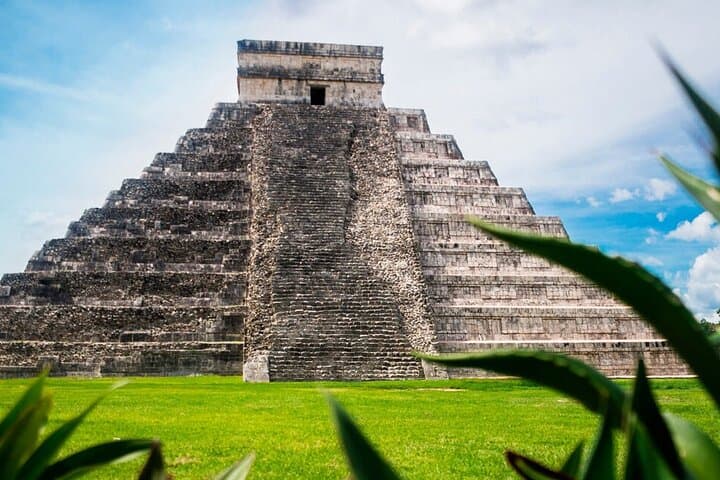
You step off the air-conditioned minivan into a wide savannah of stone and shade—Kukulkan’s stepped profile cuts a clean silhouette against a bright Yucatán sky. Wind threads through the plaza and the ancient stones seem to hold the weight of seasons; nearby, the jungle’s edge ruffles like a held breath before the sinkholes.
Verified experiences and guided adventures in the surrounding area.
Operated by Altustours · Pisté, Yucatán
You step off the air-conditioned minivan into a wide savannah of stone and shade—Kukulkan’s stepped profile cuts a clean silhouette against a bright Yucatán sky. Wind threads through the plaza and the ancient stones seem to hold the weight of seasons; nearby, the jungle’s edge ruffles like a held breath before the sinkholes.
Chichén Itzá was a major Maya center from roughly 600–1200 CE; the Kukulkan pyramid encodes astronomy in its stairways and shadow-play. The site sits on porous limestone carved by underground rivers; the same karst geology that forms nearby cenotes—collapsed caverns filled by aquifers—creates the dramatic swimming holes like Cenote Noolhá and Chichikan.
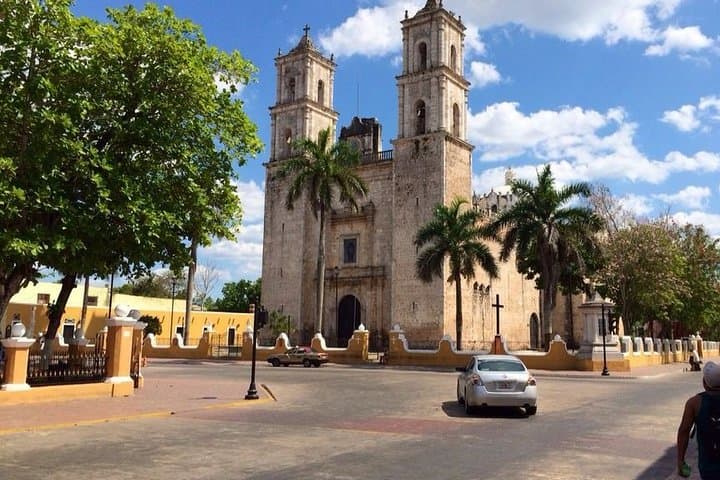
Culturally, this day trip stitches pre-Hispanic engineering and colonial Valladolid’s painted plazas: the guided ruin walk covers the Temple of the Warriors, the Great Ball Court and the Observatory, then relaxes into a cenote swim where sunlight and water trade places. Local vendors and Valladolid’s central park add a daily, human layer—handmade textiles, cochinita sandwiches, and the church of San Servacio.
Practical notes: the tour is long (about 12–13 hours) with round-trip transport from Cancún; expect an hour-plus drive each way from the hotel zone. Bring your passport or cash for the mandatory preservation fee, a swimsuit and towel, biodegradable sunscreen, and comfortable walking shoes. Life vests are required at the cenote. Start early to avoid the midday heat and to get photography windows before crowds form.
Timing, hydration and respectful behavior in fragile sites make the difference between a rushed photo stop and a memorable connection with this layered landscape.
moderate.
12–13 hours.
Light to moderate fitness: able to walk ~1–2 miles over uneven ground and tolerate long vehicle transfers.
Admission is included on this tour, but the government Preservation Tax is not and must be paid separately at the site.
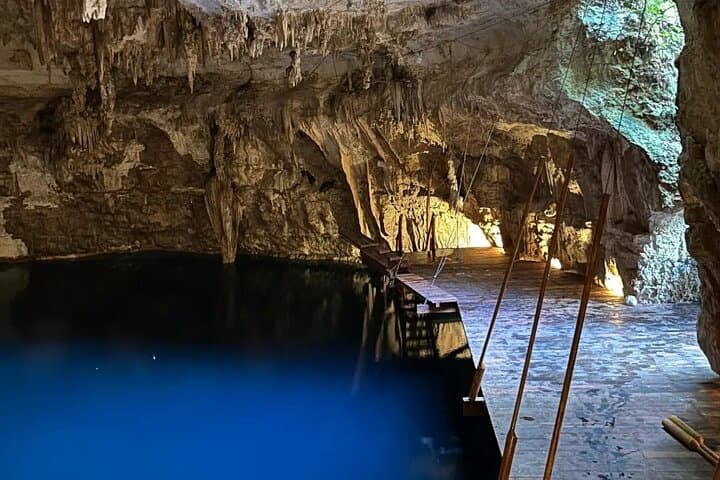
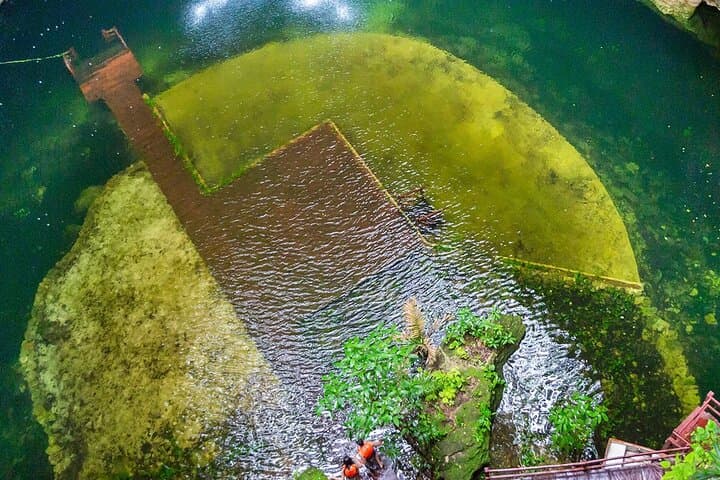
You’ll typically visit Cenote Noolhá; depending on availability the operator may substitute Cenote Chichikan—life vests are required and staff supervise swims.
Expect about 1 hour guided tour plus 1 hour of free time at Chichén Itzá and roughly 45–60 minutes at the cenote, though schedules can shift.
The tour includes a buffet lunch and two drinks during transportation, plus a box lunch on the return; bring extra cash for snacks or souvenirs.
Chichén Itzá rose to regional prominence between 600–1200 CE and later absorbed influences from central Mexican styles; it’s a UNESCO World Heritage Site noted for its astronomical architecture.
Cenotes and archaeological zones are ecologically sensitive—use biodegradable products, avoid touching fragile carvings, and follow guide instructions to minimize impact.
Altustours operates guided outdoor trips and adventures with an emphasis on safety, stewardship, and memorable experiences.
You step off the air-conditioned minivan into a wide savannah of stone and shade—Kukulkan’s stepped profile cuts a clean silhouette against a bright Yucatán sky. Wind threads through the plaza and the ancient stones seem to hold the weight of seasons; nearby, the jungle’s edge ruffles like a held breath before the sinkholes.
You step off the air-conditioned minivan into a wide savannah of stone and shade—Kukulkan’s stepped profile cuts a clean silhouette against a bright Yucatán sky. Wind threads through the plaza and the ancient stones seem to hold the weight of seasons; nearby, the jungle’s edge ruffles like a held breath before the sinkholes.
Chichén Itzá was a major Maya center from roughly 600–1200 CE; the Kukulkan pyramid encodes astronomy in its stairways and shadow-play. The site sits on porous limestone carved by underground rivers; the same karst geology that forms nearby cenotes—collapsed caverns filled by aquifers—creates the dramatic swimming holes like Cenote Noolhá and Chichikan.
Culturally, this day trip stitches pre-Hispanic engineering and colonial Valladolid’s painted plazas: the guided ruin walk covers the Temple of the Warriors, the Great Ball Court and the Observatory, then relaxes into a cenote swim where sunlight and water trade places. Local vendors and Valladolid’s central park add a daily, human layer—handmade textiles, cochinita sandwiches, and the church of San Servacio.
Practical notes: the tour is long (about 12–13 hours) with round-trip transport from Cancún; expect an hour-plus drive each way from the hotel zone. Bring your passport or cash for the mandatory preservation fee, a swimsuit and towel, biodegradable sunscreen, and comfortable walking shoes. Life vests are required at the cenote. Start early to avoid the midday heat and to get photography windows before crowds form.
Timing, hydration and respectful behavior in fragile sites make the difference between a rushed photo stop and a memorable connection with this layered landscape.