THE ADVENTURE COLLECTIVE® · Independent discovery and booking for outdoor travel

Combine one of the world’s great archaeological sites with two dramatic cenotes on a long, well-paced day from the Riviera Maya. Expect guided history at Chichén Itzá, refreshing swims at Ik Kil and Hubiku, and a leisurely stroll through Valladolid.
Combine one of the world’s great archaeological sites with two dramatic cenotes on a long, well-paced day from the Riviera Maya. Expect guided history at Chichén Itzá, refreshing swims at Ik Kil and Hubiku, and a leisurely stroll through Valladolid.
The bus eases out of the Riviera Maya dawn and the limestone plain opens like a page in a geology book: low scrub, distant ceibas, and the silhouette of Kukulcán rising over the jungle. At Chichén Itzá the stone seems to hold its breath—carved faces and staircases that mark astronomical knowledge as much as human labor. Later, the water caverns of Ik Kil and Hubiku invite you below the canopy where light cuts a shaft through dripping leaves and the cenotes quietly demand a cool, reflective plunge.
Verified experiences and guided adventures in the surrounding area.
Operated by Cancun Star Agency · Chichén Itzá, Yucatán
The bus eases out of the Riviera Maya dawn and the limestone plain opens like a page in a geology book: low scrub, distant ceibas, and the silhouette of Kukulcán rising over the jungle. At Chichén Itzá the stone seems to hold its breath—carved faces and staircases that mark astronomical knowledge as much as human labor. Later, the water caverns of Ik Kil and Hubiku invite you below the canopy where light cuts a shaft through dripping leaves and the cenotes quietly demand a cool, reflective plunge.
This corridor of Yucatán stitches Mayan history with karst geology. Chichén Itzá became a regional hub in the Terminal Classic period; its plazas, ball court and sacred cenote were focal points of politics and ritual. The cenotes are collapse features in porous limestone that expose the aquifer—freshwater pockets that sustained communities and carried spiritual weight for the Maya. Valladolid, the day’s village stop, preserves colonial architecture and a lively craft culture centered on woodcarving and textiles.
Practical guidance: expect a full 12-hour day with guided time at the archaeological zone and roughly an hour each at Ik Kil and Hubiku. Bring a swimsuit, towel, biodegradable sunscreen, sturdy walking shoes, cash for stalls, and a refillable water bottle—the Yucatán sun is uncompromising. Wear lightweight, quick-dry layers and be ready for humid conditions; the cenote stairs can be slippery. If you want photos without crowds, aim to linger at Chichén Itzá after the guided portion when the main groups move on. Respect site rules, avoid diving on fragile formations, and follow the guide’s instructions—this trip moves at a set pace but delivers both cultural depth and the simple, immediate thrill of cool water below the jungle.
moderate.
12 hours.
Suitable for most travelers with basic mobility; expect walking on uneven ground, stairs down to cenotes, and long periods of standing.
Expect about a 12-hour day with guided walking at Chichén Itzá (paved and uneven surfaces) and short stair descents at each cenote.
Cenote swims are included and the sites typically offer life jackets; follow staff instructions and avoid diving into shallow areas.
The tour suits most ages but cenote access requires stair negotiation; those with serious mobility restrictions should check accessibility before booking.
Bring cash for extra snacks or drinks; the buffet provided offers regional dishes but specific dietary requests should be noted at booking.
Chichén Itzá was a major Maya city where astronomy, ritual and trade converged; cenotes were both practical freshwater sources and sacred sites in Maya cosmology.
Use biodegradable sunscreen, avoid littering, and follow site rules—cenotes are delicate karst features and high visitor loads can stress local ecosystems.
Cancun Star Agency operates guided outdoor trips and adventures with an emphasis on safety, stewardship, and memorable experiences.
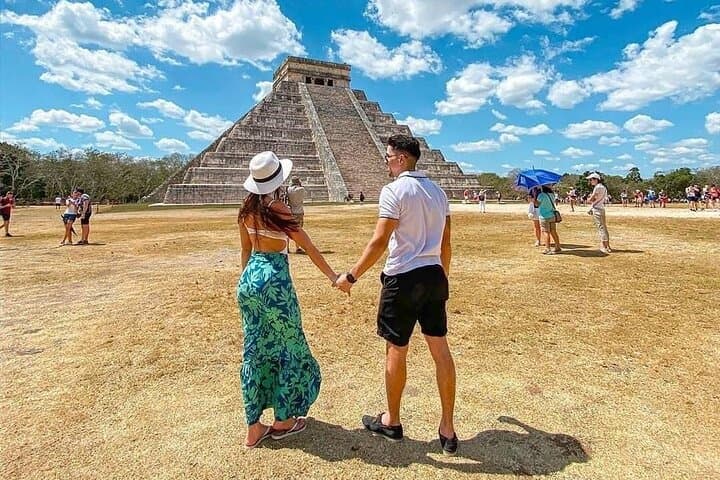
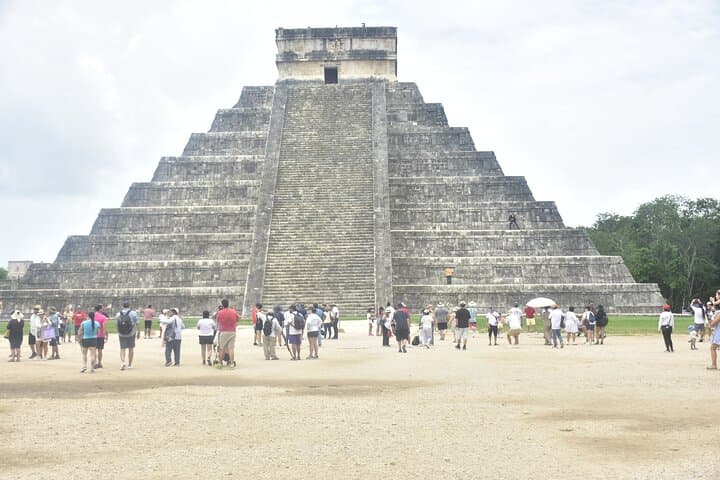
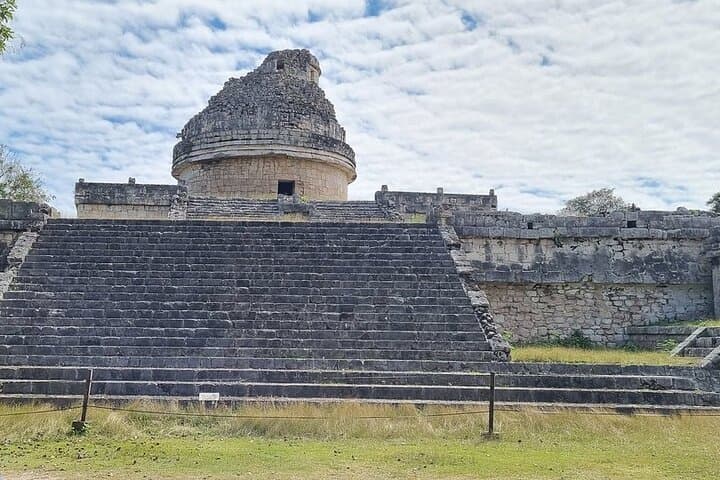
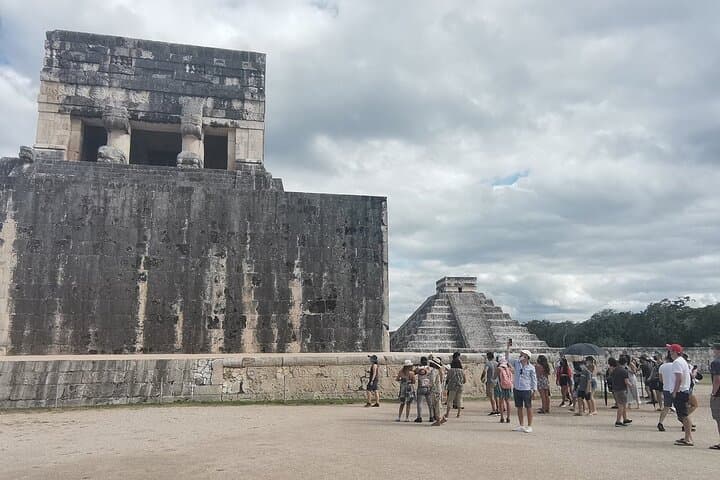
The bus eases out of the Riviera Maya dawn and the limestone plain opens like a page in a geology book: low scrub, distant ceibas, and the silhouette of Kukulcán rising over the jungle. At Chichén Itzá the stone seems to hold its breath—carved faces and staircases that mark astronomical knowledge as much as human labor. Later, the water caverns of Ik Kil and Hubiku invite you below the canopy where light cuts a shaft through dripping leaves and the cenotes quietly demand a cool, reflective plunge.
The bus eases out of the Riviera Maya dawn and the limestone plain opens like a page in a geology book: low scrub, distant ceibas, and the silhouette of Kukulcán rising over the jungle. At Chichén Itzá the stone seems to hold its breath—carved faces and staircases that mark astronomical knowledge as much as human labor. Later, the water caverns of Ik Kil and Hubiku invite you below the canopy where light cuts a shaft through dripping leaves and the cenotes quietly demand a cool, reflective plunge.
This corridor of Yucatán stitches Mayan history with karst geology. Chichén Itzá became a regional hub in the Terminal Classic period; its plazas, ball court and sacred cenote were focal points of politics and ritual. The cenotes are collapse features in porous limestone that expose the aquifer—freshwater pockets that sustained communities and carried spiritual weight for the Maya. Valladolid, the day’s village stop, preserves colonial architecture and a lively craft culture centered on woodcarving and textiles.
Practical guidance: expect a full 12-hour day with guided time at the archaeological zone and roughly an hour each at Ik Kil and Hubiku. Bring a swimsuit, towel, biodegradable sunscreen, sturdy walking shoes, cash for stalls, and a refillable water bottle—the Yucatán sun is uncompromising. Wear lightweight, quick-dry layers and be ready for humid conditions; the cenote stairs can be slippery. If you want photos without crowds, aim to linger at Chichén Itzá after the guided portion when the main groups move on. Respect site rules, avoid diving on fragile formations, and follow the guide’s instructions—this trip moves at a set pace but delivers both cultural depth and the simple, immediate thrill of cool water below the jungle.