THE ADVENTURE COLLECTIVE® · Independent discovery and booking for outdoor travel

Travel from Fes to Chefchaouen for a private day in Morocco’s Blue City. Walk painted alleys, explore a walled kasbah, and enjoy local cafés with return transport included.
Travel from Fes to Chefchaouen for a private day in Morocco’s Blue City. Walk painted alleys, explore a walled kasbah, and enjoy local cafés with return transport included.
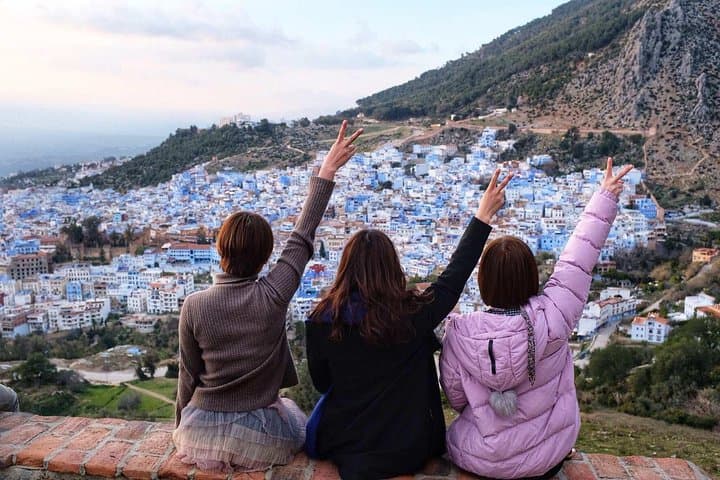
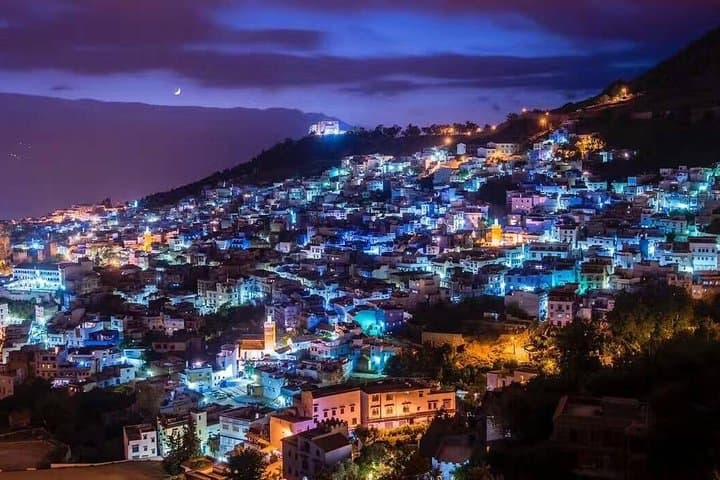
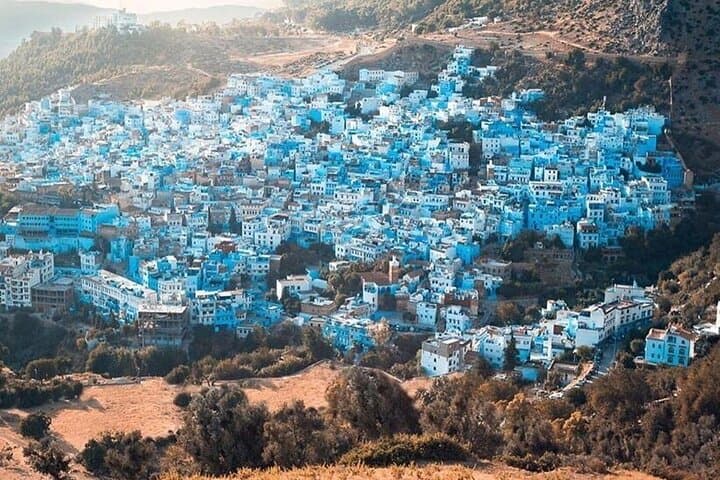
The sun lifts over the Rif, turning gray ridgelines to soft blue before the town itself reveals its famously painted lanes. You arrive from Fes as the valley opens—olive terraces and cedar-scented slopes give way to narrow streets that feel as if someone spilled the Mediterranean sky and left it to dry on walls, doors, and stairways.
Verified experiences and guided adventures in the surrounding area.
Operated by Fes Desert Trips · Chefchaouen, Tanger-Tetouan-Al Hoceima
The sun lifts over the Rif, turning gray ridgelines to soft blue before the town itself reveals its famously painted lanes. You arrive from Fes as the valley opens—olive terraces and cedar-scented slopes give way to narrow streets that feel as if someone spilled the Mediterranean sky and left it to dry on walls, doors, and stairways.
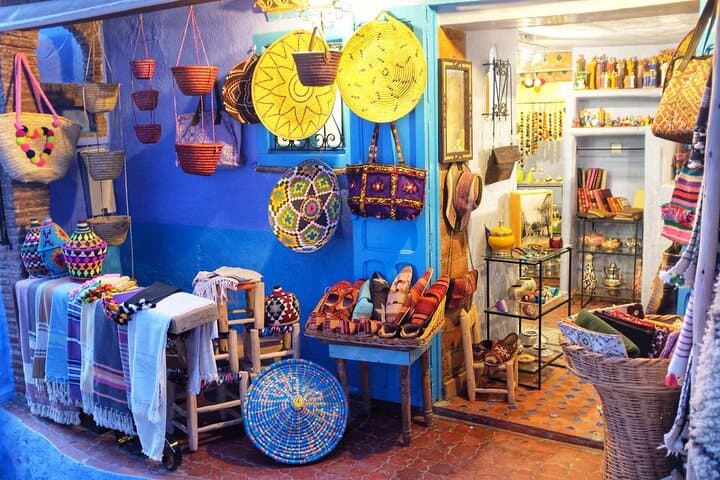
Chefchaouen began in the late 15th century as a mountain outpost and refuge for Andalusian exiles; its compact medina still reflects that layered history. Geologically the town sits against the folded limestone of the Rif Mountains, where steep gorges funnel cool air into the town and the surrounding hills harbor terraced farms and scrub oak. Culture here is tactile: dye shops, handwoven rugs, and lively cafés where local goat cheeses and mint tea anchor a long lunch.
Expect four to five hours to explore on foot—visit the 15th-century kasbah and climb to a viewpoint above Plaza Uta el-Hammam for a wide-angle look at the tiled roofs and mountain backdrop. Photography is easy but be respectful: many residents prefer polite asking before portraits. The pace is walking-friendly but uneven—cobbles and steep alleys reward sturdy shoes.
Practical tips: carry water, cash in small bills, and sun protection; mornings are coolest and best for photography. A private driver from Fes handles the 3–4 hour round-trip drive and logistics, leaving you free to wander, shop, and sit in the square before the return to Fes in the evening.
easy.
10–12 hours.
Suitable for most fitness levels; requires several hours of walking on uneven, often steep surfaces.
The round-trip drive is typically 3–4 hours each way depending on traffic and stops; expect a full day away from Fes.
Chefchaouen’s medina has narrow, uneven alleys and many stairs; it is not well-suited to wheelchairs or full-sized strollers.
Most private transfers include pickup and drop-off but not lunch; you can eat at the central square where cafés offer local dishes and goat cheese.
Yes—polite bargaining is common for rugs and crafts, but accept set prices at established shops and support local artisans.
Founded in 1471 as a fortified mountain settlement and later populated by Andalusian refugees, Chefchaouen’s blue walls reflect both cultural influences and practical traditions.
Tourism strains local water and waste systems; support small businesses, avoid single-use plastics, and stick to marked paths to reduce erosion.
Fes Desert Trips operates guided outdoor trips and adventures with an emphasis on safety, stewardship, and memorable experiences.
The sun lifts over the Rif, turning gray ridgelines to soft blue before the town itself reveals its famously painted lanes. You arrive from Fes as the valley opens—olive terraces and cedar-scented slopes give way to narrow streets that feel as if someone spilled the Mediterranean sky and left it to dry on walls, doors, and stairways.
The sun lifts over the Rif, turning gray ridgelines to soft blue before the town itself reveals its famously painted lanes. You arrive from Fes as the valley opens—olive terraces and cedar-scented slopes give way to narrow streets that feel as if someone spilled the Mediterranean sky and left it to dry on walls, doors, and stairways.
Chefchaouen began in the late 15th century as a mountain outpost and refuge for Andalusian exiles; its compact medina still reflects that layered history. Geologically the town sits against the folded limestone of the Rif Mountains, where steep gorges funnel cool air into the town and the surrounding hills harbor terraced farms and scrub oak. Culture here is tactile: dye shops, handwoven rugs, and lively cafés where local goat cheeses and mint tea anchor a long lunch.
Expect four to five hours to explore on foot—visit the 15th-century kasbah and climb to a viewpoint above Plaza Uta el-Hammam for a wide-angle look at the tiled roofs and mountain backdrop. Photography is easy but be respectful: many residents prefer polite asking before portraits. The pace is walking-friendly but uneven—cobbles and steep alleys reward sturdy shoes.
Practical tips: carry water, cash in small bills, and sun protection; mornings are coolest and best for photography. A private driver from Fes handles the 3–4 hour round-trip drive and logistics, leaving you free to wander, shop, and sit in the square before the return to Fes in the evening.