THE ADVENTURE COLLECTIVE® · Independent discovery and booking for outdoor travel

A full-day private train tour from Chiang Mai to Lampang that pairs a slow scenic ride with a hilltop temple visit and a bustling local market. Ideal for travelers who want a compact cultural day with minimal walking but rich local encounters.
A full-day private train tour from Chiang Mai to Lampang that pairs a slow scenic ride with a hilltop temple visit and a bustling local market. Ideal for travelers who want a compact cultural day with minimal walking but rich local encounters.
The morning train pulls out of Chiang Mai like a deliberate creature, easing through rice flats and low karst ridges while sunlight slides across teak forests.
Verified experiences and guided adventures in the surrounding area.
Operated by Pagoda View Tours · Lampang, Lampang Province
The morning train pulls out of Chiang Mai like a deliberate creature, easing through rice flats and low karst ridges while sunlight slides across teak forests.
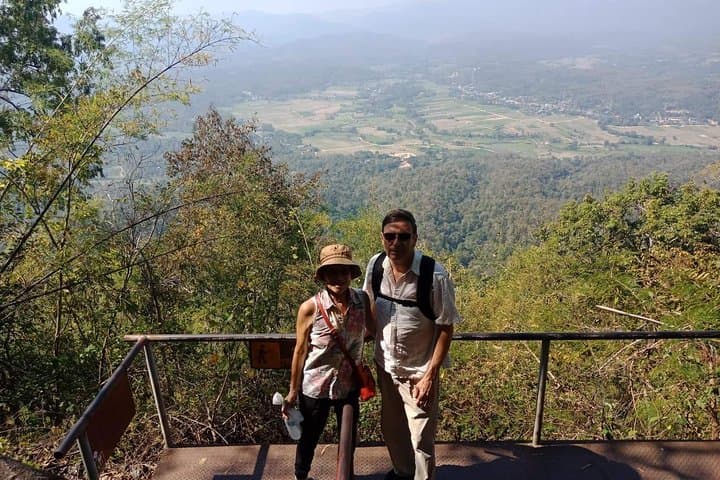
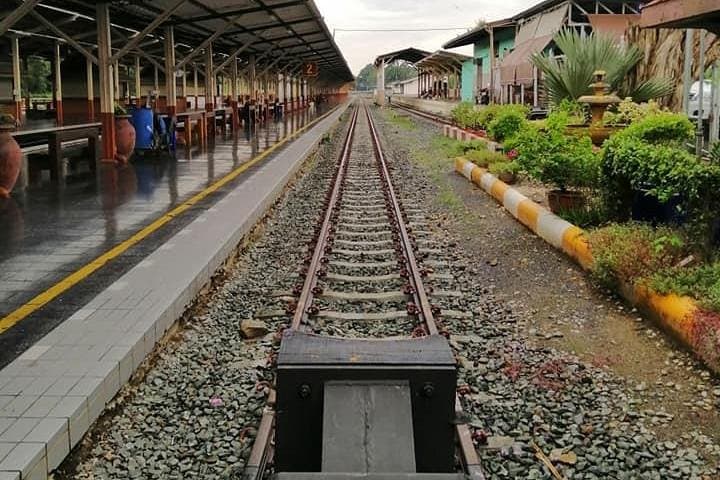
By the time you arrive in Lampang the station's old wooden platform has already absorbed a century of arrivals and departures; it feels lived-in rather than staged. The day's arc moves from slow, observational travel to two short, purposeful stops: a hilltop temple with mountain views and a lively local market where regional flavors and crafts crowd the aisles.
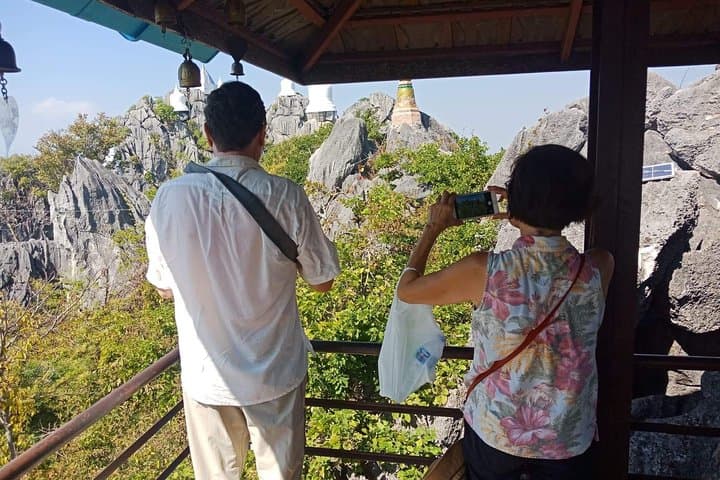
Lampang sits on a sedimentary plain cut by the Wang River, with geology that gave the area its timber wealth and tiled-roof architecture. Wat Phutthabat Sutthawat (a lesser-known temple compared with Lampang Luang) offers traditional Lanna art—wood carving and gilded chedis—reflecting northern Thai Buddhist craftsmanship and a history tied to Burmese and Siamese trade routes.
Expect modest walking: steep temple steps, uneven market lanes, and brief road transfers. The guide handles logistics, park fees and lunch, so your focus is the landscape and local life. Travel light: water, sun protection and good shoes matter; the formal dress code for some temple visits means shoulders and knees should be covered.
Practical timing matters—trains are slow but scenic; an early departure makes the most of daylight. If you want quieter temples, ask to linger after lunch. This is a cultural day with steady, low-impact movement—ideal for travelers who enjoy slow travel paired with concentrated encounters in architecture, markets and regional cuisine.
moderate.
10 hours.
Moderate: able to walk short uphill sections and stand for market browsing
The slow train takes roughly two hours each way, depending on the schedule and stops.
The tour notes include national park fees and admission for the temple visit, handled by the guide.
Yes—infants and small children can use strollers and infant seats are available, but expect steps at the temple.
Yes—lunch is included at a local restaurant highlighting regional northern Thai dishes.
Lampang grew as a teak and horse-trading center in northern Thailand; its architecture and crafts reflect Lanna-era influences and later colonial-era timber wealth.
Respect temple rules and avoid single-use plastics where possible; the region encourages sustainable tourism to protect teak forests and river systems.
Pagoda View Tours operates guided outdoor trips and adventures with an emphasis on safety, stewardship, and memorable experiences.
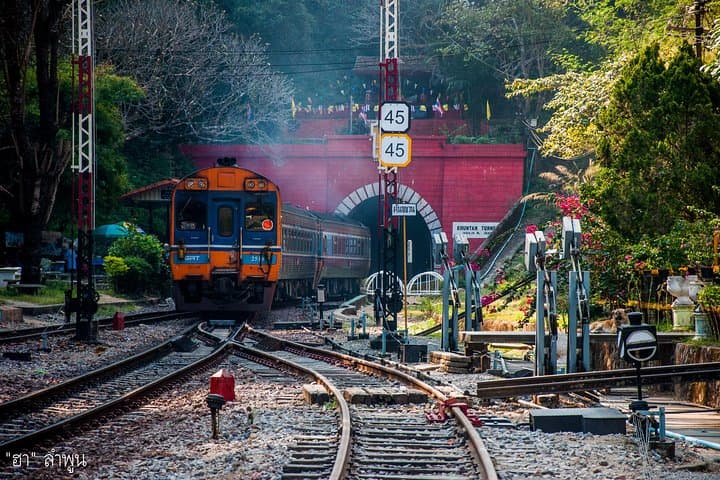
The morning train pulls out of Chiang Mai like a deliberate creature, easing through rice flats and low karst ridges while sunlight slides across teak forests.
The morning train pulls out of Chiang Mai like a deliberate creature, easing through rice flats and low karst ridges while sunlight slides across teak forests.
By the time you arrive in Lampang the station's old wooden platform has already absorbed a century of arrivals and departures; it feels lived-in rather than staged. The day's arc moves from slow, observational travel to two short, purposeful stops: a hilltop temple with mountain views and a lively local market where regional flavors and crafts crowd the aisles.
Lampang sits on a sedimentary plain cut by the Wang River, with geology that gave the area its timber wealth and tiled-roof architecture. Wat Phutthabat Sutthawat (a lesser-known temple compared with Lampang Luang) offers traditional Lanna art—wood carving and gilded chedis—reflecting northern Thai Buddhist craftsmanship and a history tied to Burmese and Siamese trade routes.
Expect modest walking: steep temple steps, uneven market lanes, and brief road transfers. The guide handles logistics, park fees and lunch, so your focus is the landscape and local life. Travel light: water, sun protection and good shoes matter; the formal dress code for some temple visits means shoulders and knees should be covered.
Practical timing matters—trains are slow but scenic; an early departure makes the most of daylight. If you want quieter temples, ask to linger after lunch. This is a cultural day with steady, low-impact movement—ideal for travelers who enjoy slow travel paired with concentrated encounters in architecture, markets and regional cuisine.