THE ADVENTURE COLLECTIVE® · Independent discovery and booking for outdoor travel

Trade Bucharest traffic for mountain air on a private day trip that pairs Peles’ royal splendor with Bran’s medieval keep and a brisk cultural walk through Brasov. Expect long driving legs, compact visits to major sites, and clear opportunities to taste Transylvanian food and history.
Trade Bucharest traffic for mountain air on a private day trip that pairs Peles’ royal splendor with Bran’s medieval keep and a brisk cultural walk through Brasov. Expect long driving legs, compact visits to major sites, and clear opportunities to taste Transylvanian food and history.
You leave Bucharest before dawn, the city’s concrete giving way to the rolling green of the Carpathian foothills. The road chisels through hairpin turns and stands of beech and spruce; sunlight catches on castle turrets ahead and the air sharpens with altitude. First stop: Peles Castle, its carved balconies and alpine roofs rising like a European fairy-house against a pine-clad slope. Later, the compact silhouette of Bran Castle stands on a rocky spur—stone stairways and tight rooms that invite imagined footsteps of history.
Verified experiences and guided adventures in the surrounding area.
Operated by Nicolas Experience Tours · Bucharest, Bucharest
You leave Bucharest before dawn, the city’s concrete giving way to the rolling green of the Carpathian foothills. The road chisels through hairpin turns and stands of beech and spruce; sunlight catches on castle turrets ahead and the air sharpens with altitude. First stop: Peles Castle, its carved balconies and alpine roofs rising like a European fairy-house against a pine-clad slope. Later, the compact silhouette of Bran Castle stands on a rocky spur—stone stairways and tight rooms that invite imagined footsteps of history.
These sites sit on the southern edge of the Eastern Carpathians. Peles (finished late 19th century) is a neo-Renaissance royal residence commissioned by King Carol I; Bran’s medieval keep dates to the 14th century and earned its fame through association with Vlad Ţepeş and Bram Stoker’s Dracula. Brasov itself is a fortified Saxon town whose Black Church and cobbled squares reflect a mix of Ottoman-era trade routes and Austro-Hungarian influence.
Practically: expect an 11–12 hour private tour with roughly two hours at each stop and a guided walking tour of Brasov. Roads are paved but can be narrow and busy in peak season; winter adds snow and occasional delays. Bring layered clothing, sturdy shoes for uneven floors and cobbles, and a small daypack. Peles is closed certain weekdays—check the schedule—and since entrance fees are paid onsite, carry some local currency. Plan for a mid-day meal in Brasov’s Piața Sfatului to taste local cheeses and ciorbă before the drive back to Bucharest.
easy.
11–12 hours.
Suitable for most fitness levels; requires ability to walk short distances on uneven ground and climb stairs.
The private tour runs about 11–12 hours and includes private transport, an English-speaking guide/driver, taxes, and flexible itinerary adjustments; entrance fees are generally not included.
Yes—operators typically offer pick up and drop off at addresses in Bucharest; confirm your pickup point when booking.
Peles is closed on certain weekdays (check current schedules); when closed the itinerary usually includes an exterior visit and a stop at Cantacuzino or other viewpoints instead.
Yes—it's rated easy for varying fitness levels, but castles have narrow stairs and uneven floors that can be challenging for limited mobility; notify the operator of special requirements.
Bran’s 14th-century fortress guarded a medieval trade route; Peles was commissioned by Romania’s first king in the late 1800s as a modern royal retreat blending Alpine and Neo-Renaissance styles.
High visitor numbers strain historic interiors—stay on marked paths, avoid touching artifacts, and support local conservation by using licensed guides and paying admission fees.
Nicolas Experience Tours operates guided outdoor trips and adventures with an emphasis on safety, stewardship, and memorable experiences.
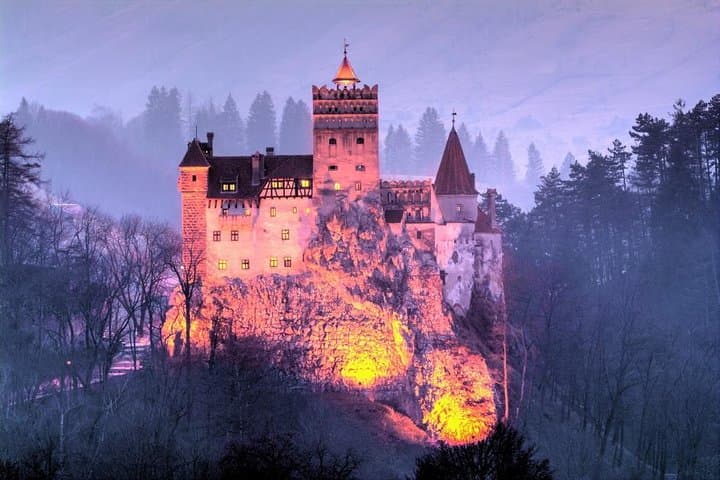
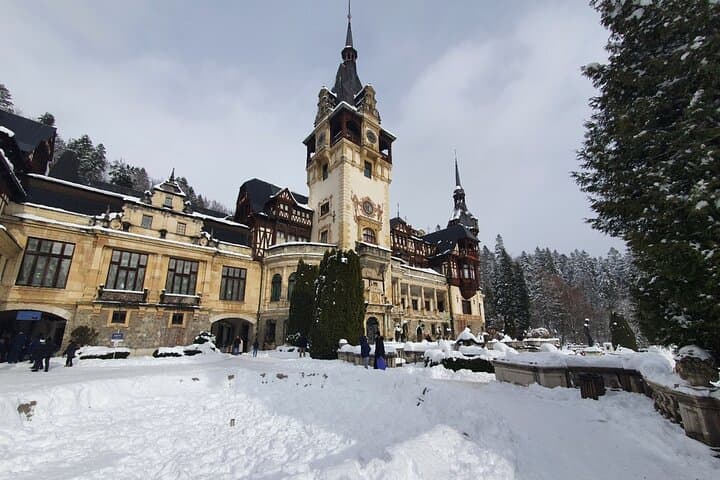
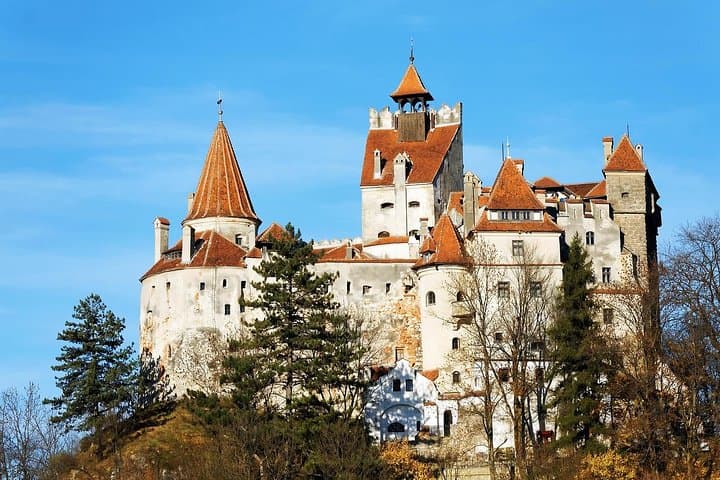
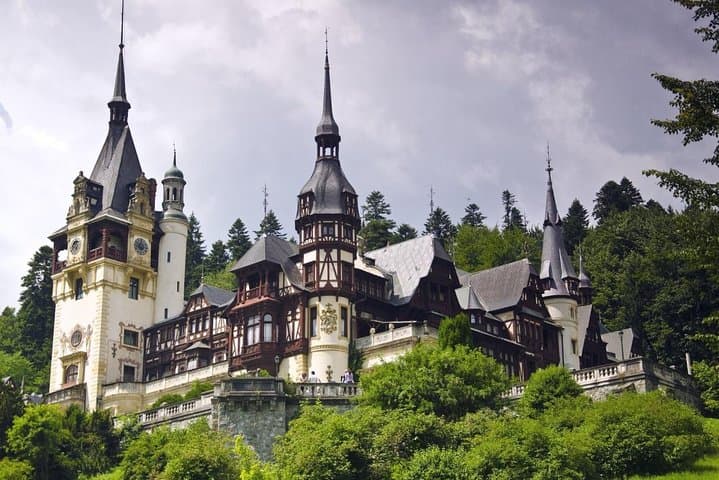
You leave Bucharest before dawn, the city’s concrete giving way to the rolling green of the Carpathian foothills. The road chisels through hairpin turns and stands of beech and spruce; sunlight catches on castle turrets ahead and the air sharpens with altitude. First stop: Peles Castle, its carved balconies and alpine roofs rising like a European fairy-house against a pine-clad slope. Later, the compact silhouette of Bran Castle stands on a rocky spur—stone stairways and tight rooms that invite imagined footsteps of history.
You leave Bucharest before dawn, the city’s concrete giving way to the rolling green of the Carpathian foothills. The road chisels through hairpin turns and stands of beech and spruce; sunlight catches on castle turrets ahead and the air sharpens with altitude. First stop: Peles Castle, its carved balconies and alpine roofs rising like a European fairy-house against a pine-clad slope. Later, the compact silhouette of Bran Castle stands on a rocky spur—stone stairways and tight rooms that invite imagined footsteps of history.
These sites sit on the southern edge of the Eastern Carpathians. Peles (finished late 19th century) is a neo-Renaissance royal residence commissioned by King Carol I; Bran’s medieval keep dates to the 14th century and earned its fame through association with Vlad Ţepeş and Bram Stoker’s Dracula. Brasov itself is a fortified Saxon town whose Black Church and cobbled squares reflect a mix of Ottoman-era trade routes and Austro-Hungarian influence.
Practically: expect an 11–12 hour private tour with roughly two hours at each stop and a guided walking tour of Brasov. Roads are paved but can be narrow and busy in peak season; winter adds snow and occasional delays. Bring layered clothing, sturdy shoes for uneven floors and cobbles, and a small daypack. Peles is closed certain weekdays—check the schedule—and since entrance fees are paid onsite, carry some local currency. Plan for a mid-day meal in Brasov’s Piața Sfatului to taste local cheeses and ciorbă before the drive back to Bucharest.