THE ADVENTURE COLLECTIVE® · Independent discovery and booking for outdoor travel

Leave Marrakech for a full-day outing into the High Atlas—argan cooperatives, a one-hour guided hike in Imlil Valley, waterfalls, and a three-course Berber lunch. Ideal for travelers who want cultural immersion and accessible mountain scenery in a single day.
Leave Marrakech for a full-day outing into the High Atlas—argan cooperatives, a one-hour guided hike in Imlil Valley, waterfalls, and a three-course Berber lunch. Ideal for travelers who want cultural immersion and accessible mountain scenery in a single day.
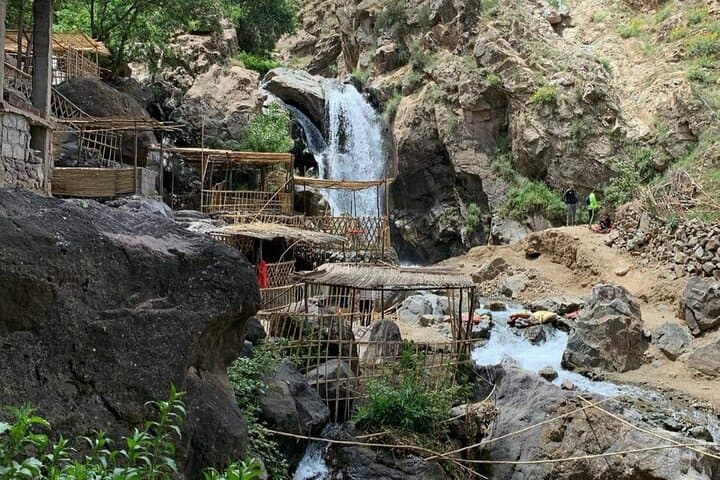
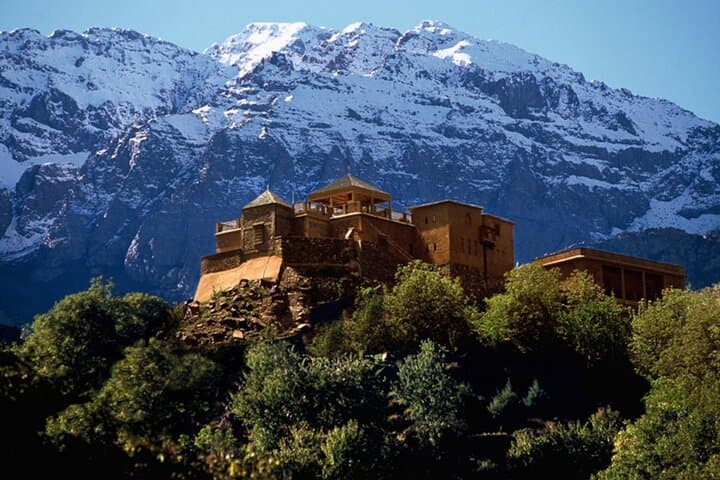
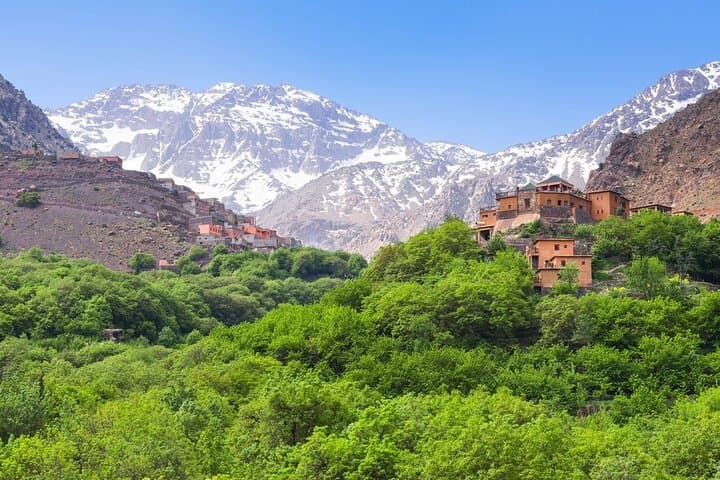
A cool, mint-scented wind rises as your minibus climbs away from Marrakech, arid city noise receding into terraced fields and the folded silhouette of the High Atlas. By midmorning you’re in the Tahanaoute valley—olive groves and argan trees—then higher, where Imlil opens like a bowl beneath the ridge of Toubkal. Waterfalls slice the rock and the sound dares you to slow down and listen.
Verified experiences and guided adventures in the surrounding area.
Operated by Starry Morocco Tours · Imlil, Marrakesh-Safi
A cool, mint-scented wind rises as your minibus climbs away from Marrakech, arid city noise receding into terraced fields and the folded silhouette of the High Atlas. By midmorning you’re in the Tahanaoute valley—olive groves and argan trees—then higher, where Imlil opens like a bowl beneath the ridge of Toubkal. Waterfalls slice the rock and the sound dares you to slow down and listen.
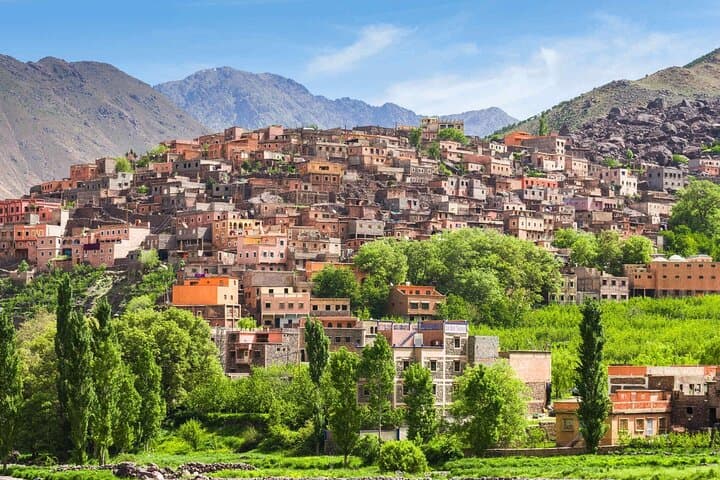
The High Atlas is young in geologic terms, pushed up by the African and Eurasian plates; its valleys hold millennia of Berber life. Villages clustered on steep slopes preserve a living craft economy—argan cooperatives and terrace farming that adapted to thin soils and seasonal snowmelt. Cultural exchange is part of the route: a cooperative visit and an invitation for mint tea in a Berber home reveal daily rituals as much as scenery.
Expect a compact day: roughly 1–1.5 hours each way from Marrakech by air-conditioned vehicle, then a guided 1-hour hike in Imlil on stone and dirt tracks—about 2–4 km with modest gain (100–200 m) depending on chosen path. Trails wind past waterfalls, orchards, and mule tracks; surfaces can be uneven and slick after rain. Photography stops, a three-course lunch in a family home, and a tea ceremony balance the rhythm of walking and cultural time.
Practical edge: bring sturdy footwear, layered clothing, sun protection, and a refillable water bottle. Morning departures avoid heat and afternoon traffic. The trip suits travelers seeking an accessible taste of Atlas terrain and Berber hospitality without technical climbing.
moderate.
8 hours.
Suitable for travelers who can walk 2–4 km on uneven terrain and manage short uphill sections; no special fitness required.
Expect about 1–1.5 hours each way depending on traffic and road conditions—plan the day as an 8-hour outing including stops.
The included hike is a guided, 1-hour walk on established trails with modest elevation change; it’s suitable for most fitness levels.
The tour includes a three-course Berber lunch and a traditional mint tea experience; extra snacks and bottled water are advisable.
Guides on this trip provide commentary in English and French; interaction in villages may involve local Berber dialects with translation.
Berber communities have farmed Atlas terraces for centuries; argan cooperatives reflect local efforts to preserve traditional economies while expanding tourism income.
Stick to established trails, avoid buying products from endangered-plant sources, and support cooperatives that pay local women fairly—both reduce tourism pressure and help local stewardship.
Starry Morocco Tours operates guided outdoor trips and adventures with an emphasis on safety, stewardship, and memorable experiences.
A cool, mint-scented wind rises as your minibus climbs away from Marrakech, arid city noise receding into terraced fields and the folded silhouette of the High Atlas. By midmorning you’re in the Tahanaoute valley—olive groves and argan trees—then higher, where Imlil opens like a bowl beneath the ridge of Toubkal. Waterfalls slice the rock and the sound dares you to slow down and listen.
A cool, mint-scented wind rises as your minibus climbs away from Marrakech, arid city noise receding into terraced fields and the folded silhouette of the High Atlas. By midmorning you’re in the Tahanaoute valley—olive groves and argan trees—then higher, where Imlil opens like a bowl beneath the ridge of Toubkal. Waterfalls slice the rock and the sound dares you to slow down and listen.
The High Atlas is young in geologic terms, pushed up by the African and Eurasian plates; its valleys hold millennia of Berber life. Villages clustered on steep slopes preserve a living craft economy—argan cooperatives and terrace farming that adapted to thin soils and seasonal snowmelt. Cultural exchange is part of the route: a cooperative visit and an invitation for mint tea in a Berber home reveal daily rituals as much as scenery.
Expect a compact day: roughly 1–1.5 hours each way from Marrakech by air-conditioned vehicle, then a guided 1-hour hike in Imlil on stone and dirt tracks—about 2–4 km with modest gain (100–200 m) depending on chosen path. Trails wind past waterfalls, orchards, and mule tracks; surfaces can be uneven and slick after rain. Photography stops, a three-course lunch in a family home, and a tea ceremony balance the rhythm of walking and cultural time.
Practical edge: bring sturdy footwear, layered clothing, sun protection, and a refillable water bottle. Morning departures avoid heat and afternoon traffic. The trip suits travelers seeking an accessible taste of Atlas terrain and Berber hospitality without technical climbing.