THE ADVENTURE COLLECTIVE® · Independent discovery and booking for outdoor travel

Make a long but seamless day of it: high-speed train from Rome to Salerno, a scenic public boat along the Amalfi Coast, and hours to explore Positano and Amalfi. Perfect for travelers who want maximum coastal exposure without the driving stress.
Make a long but seamless day of it: high-speed train from Rome to Salerno, a scenic public boat along the Amalfi Coast, and hours to explore Positano and Amalfi. Perfect for travelers who want maximum coastal exposure without the driving stress.
You step off the high-speed train in Salerno and the air changes — sea-salt on the wind, sun striking white stucco against sheer limestone. A short walk leads to the harbor where a public boat slips away, hugging an inverted mountain range of cliffs and villages that seem to climb toward the sky. The Tyrrhenian Sea dares you to look away; gulls and spray keep your focus on the coast.
Verified experiences and guided adventures in the surrounding area.
Operated by Veditalia · Amalfi, Campania
You step off the high-speed train in Salerno and the air changes — sea-salt on the wind, sun striking white stucco against sheer limestone. A short walk leads to the harbor where a public boat slips away, hugging an inverted mountain range of cliffs and villages that seem to climb toward the sky. The Tyrrhenian Sea dares you to look away; gulls and spray keep your focus on the coast.
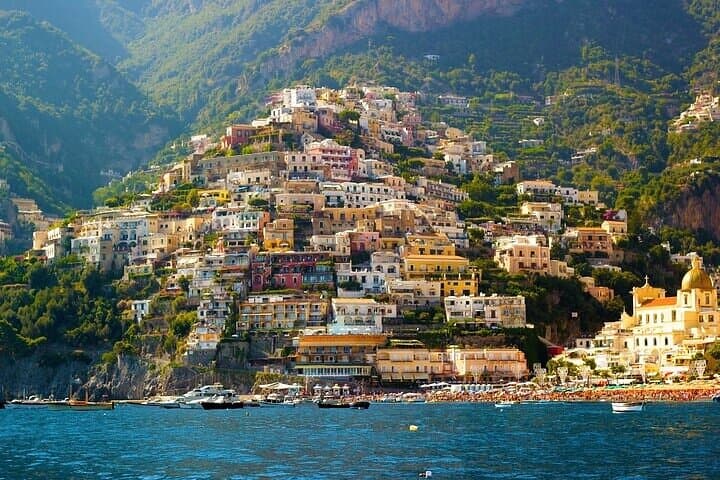
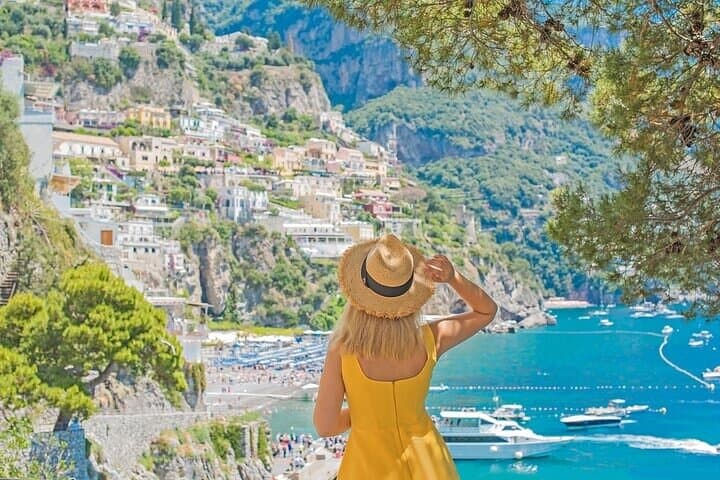
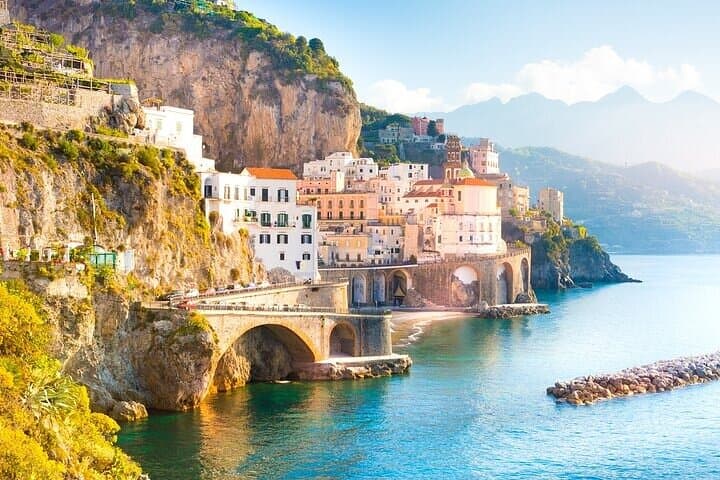
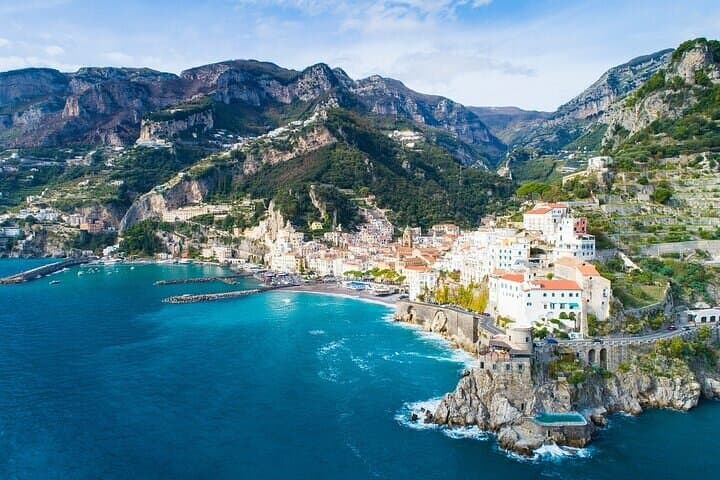
This route threads geology and history: the Lattari Mountains slide into the sea as steep limestone terraces, carved by millennia of erosion and human cultivation. Amalfi was once a maritime republic, its cathedral and centuries-old paper mills reflecting a seafaring culture built on trade and lemon groves. Positano’s stacked houses and narrow stairways grew from fishermen’s houses and later became an artists’ magnet.
Expect structured free time in both towns to wander narrow lanes, browse ceramics and limoncello shops, or climb to viewpoints above the harbor. The boat segments offer constant coastal panoramas and brief sea spray; trains deliver efficient transfers, avoiding traffic snarls on the coastal road.
Practical edge: wear grippy shoes for cobbled streets and stairs, carry a refillable water bottle, and bring sun protection and motion-sickness remedies if you’re prone to rolling seas. Cash helps for small purchases in Amalfi and Positano. Plan for a long, full day — the reward is two of Italy’s most photogenic towns seen from both water and land, with the simplicity of coordinated transport and a bilingual guide to streamline logistics.
easy.
14 hours.
Suitable for most fitness levels; involves walking on uneven cobbles and boarding boats.
The tour departs from Rome by high-speed train to Salerno, boards boats for Positano and Amalfi, then returns by train to Rome the same day.
Boat rides are on public ferries with open decks; if you’re sensitive, take preventative medication and choose seats mid-ship for a steadier ride.
The itinerary allocates several hours for Positano and roughly 1.5–3.5 hours in Amalfi depending on the schedule for self-guided exploration.
Meals are not typically included; there are cafes and restaurants in both towns and snack options on the ferries.
Amalfi was a medieval maritime republic whose sea trade and paper production shaped local architecture and economy; Positano evolved from a fishing village into a 20th-century cultural hotspot.
The Amalfi Coast faces overtourism and coastal erosion pressures; stick to marked paths, avoid single-use plastics, and support local artisans to keep economic benefits local.
Veditalia operates guided outdoor trips and adventures with an emphasis on safety, stewardship, and memorable experiences.
You step off the high-speed train in Salerno and the air changes — sea-salt on the wind, sun striking white stucco against sheer limestone. A short walk leads to the harbor where a public boat slips away, hugging an inverted mountain range of cliffs and villages that seem to climb toward the sky. The Tyrrhenian Sea dares you to look away; gulls and spray keep your focus on the coast.
You step off the high-speed train in Salerno and the air changes — sea-salt on the wind, sun striking white stucco against sheer limestone. A short walk leads to the harbor where a public boat slips away, hugging an inverted mountain range of cliffs and villages that seem to climb toward the sky. The Tyrrhenian Sea dares you to look away; gulls and spray keep your focus on the coast.
This route threads geology and history: the Lattari Mountains slide into the sea as steep limestone terraces, carved by millennia of erosion and human cultivation. Amalfi was once a maritime republic, its cathedral and centuries-old paper mills reflecting a seafaring culture built on trade and lemon groves. Positano’s stacked houses and narrow stairways grew from fishermen’s houses and later became an artists’ magnet.
Expect structured free time in both towns to wander narrow lanes, browse ceramics and limoncello shops, or climb to viewpoints above the harbor. The boat segments offer constant coastal panoramas and brief sea spray; trains deliver efficient transfers, avoiding traffic snarls on the coastal road.
Practical edge: wear grippy shoes for cobbled streets and stairs, carry a refillable water bottle, and bring sun protection and motion-sickness remedies if you’re prone to rolling seas. Cash helps for small purchases in Amalfi and Positano. Plan for a long, full day — the reward is two of Italy’s most photogenic towns seen from both water and land, with the simplicity of coordinated transport and a bilingual guide to streamline logistics.