THE ADVENTURE COLLECTIVE® · Independent discovery and booking for outdoor travel

A full-day guided tour from Quito to Cotopaxi National Park that reaches José Rivas basecamp and approaches the 5,000 m glacier. Expect high-altitude hiking, dramatic views, and a mix of paramo and volcanic terrain.
A full-day guided tour from Quito to Cotopaxi National Park that reaches José Rivas basecamp and approaches the 5,000 m glacier. Expect high-altitude hiking, dramatic views, and a mix of paramo and volcanic terrain.
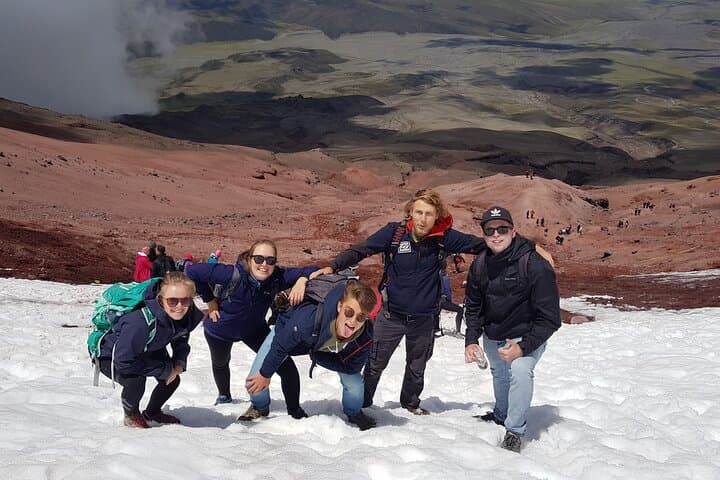
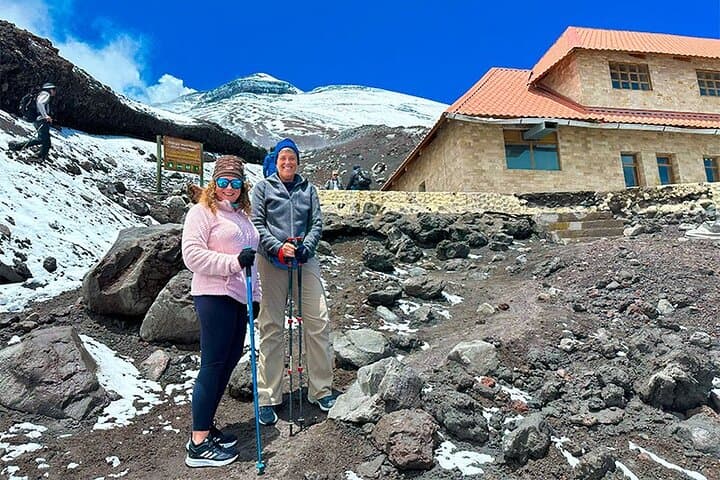
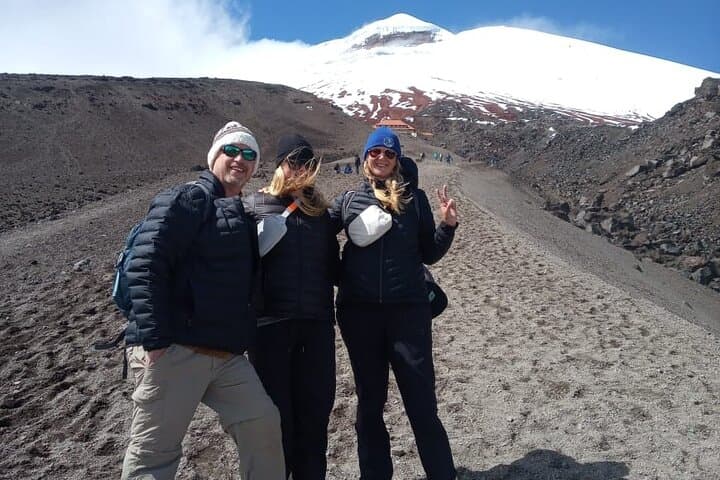
You step out of the van and the air feels thin and brisk — Cotopaxi’s cone rises white and geometric against a high Andean sky. The road from Quito unspools through farmland and paramo, and by mid-morning the glacier-capped summit of Cotopaxi dominates the horizon. The landscape here is raw: wind-hammered grasslands, black volcanic scree, and the occasional lagoon reflecting that sharp peak.
Verified experiences and guided adventures in the surrounding area.
Operated by Quito Trip · Quito, Pichincha
You step out of the van and the air feels thin and brisk — Cotopaxi’s cone rises white and geometric against a high Andean sky. The road from Quito unspools through farmland and paramo, and by mid-morning the glacier-capped summit of Cotopaxi dominates the horizon. The landscape here is raw: wind-hammered grasslands, black volcanic scree, and the occasional lagoon reflecting that sharp peak.
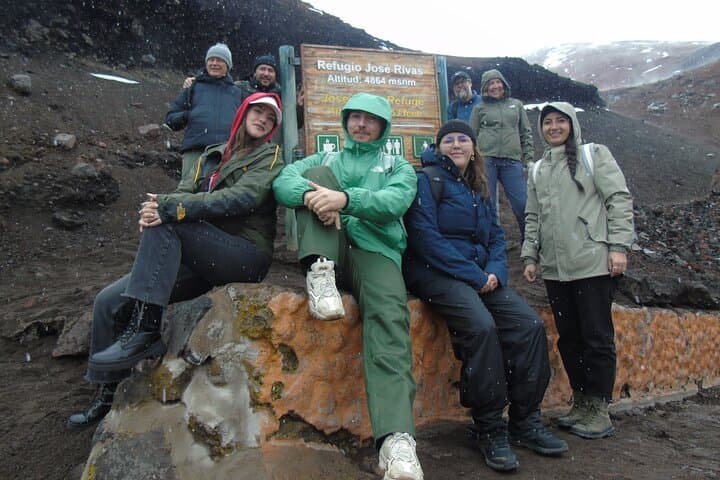
Cotopaxi is one of Ecuador’s most active stratovolcanoes, shaped by repeated eruptions and glacial action. The José Rivas refuge sits high on the volcano’s flank (around 4,800 m) and serves as the typical high point for day-hikers who want a close look at the glacier near 5,000 m. The park itself protects paramo ecosystems and seasonal wetlands; local Andean communities historically used these highlands for grazing and salt trade routes.
On this full-day tour expect a guided drive from Quito (about 1.5–2 hours each way), a 2–4 hour guided hike that gains altitude across rocky, uneven ground, and time at Limpiopungo Lake for gentler walking and views. Weather shifts fast here — sun, wind and cloud can alternate in minutes — and the thin air makes every step feel heavier.
Practical notes: pace yourself to avoid altitude sickness, layer for wind and cold, bring sun protection and steady footwear for scree and mud. The tour typically includes park entrance, bilingual guide, private transport and lunch, making it a focused way to experience Cotopaxi’s stark beauty in a single day.
moderate.
7–8 hours.
Should have moderate cardiovascular fitness; able to hike on uneven ground at high altitude for several hours.
The transfer usually takes about 1.5–2 hours each way, depending on traffic and your pickup location in Quito.
No technical experience is required, but prior exposure to elevations above 2,500 m helps; the hike reaches around 4,800–5,000 m.
No — the tour approaches the glacier and reaches José Rivas basecamp; summit attempts require mountaineering gear and longer acclimatization.
Have a high-carbohydrate breakfast, avoid alcohol the night before, and carry snacks; the tour includes lunch but bring extra energy bars for the hike.
Cotopaxi has been significant to Andean cultures for centuries and has erupted multiple times since pre-Columbian periods, shaping local settlement and agriculture.
Cotopaxi National Park manages visitor access to protect fragile paramo ecosystems and glacial environments; stay on marked trails and pack out waste.
Quito Trip operates guided outdoor trips and adventures with an emphasis on safety, stewardship, and memorable experiences.
You step out of the van and the air feels thin and brisk — Cotopaxi’s cone rises white and geometric against a high Andean sky. The road from Quito unspools through farmland and paramo, and by mid-morning the glacier-capped summit of Cotopaxi dominates the horizon. The landscape here is raw: wind-hammered grasslands, black volcanic scree, and the occasional lagoon reflecting that sharp peak.
You step out of the van and the air feels thin and brisk — Cotopaxi’s cone rises white and geometric against a high Andean sky. The road from Quito unspools through farmland and paramo, and by mid-morning the glacier-capped summit of Cotopaxi dominates the horizon. The landscape here is raw: wind-hammered grasslands, black volcanic scree, and the occasional lagoon reflecting that sharp peak.
Cotopaxi is one of Ecuador’s most active stratovolcanoes, shaped by repeated eruptions and glacial action. The José Rivas refuge sits high on the volcano’s flank (around 4,800 m) and serves as the typical high point for day-hikers who want a close look at the glacier near 5,000 m. The park itself protects paramo ecosystems and seasonal wetlands; local Andean communities historically used these highlands for grazing and salt trade routes.
On this full-day tour expect a guided drive from Quito (about 1.5–2 hours each way), a 2–4 hour guided hike that gains altitude across rocky, uneven ground, and time at Limpiopungo Lake for gentler walking and views. Weather shifts fast here — sun, wind and cloud can alternate in minutes — and the thin air makes every step feel heavier.
Practical notes: pace yourself to avoid altitude sickness, layer for wind and cold, bring sun protection and steady footwear for scree and mud. The tour typically includes park entrance, bilingual guide, private transport and lunch, making it a focused way to experience Cotopaxi’s stark beauty in a single day.