THE ADVENTURE COLLECTIVE® · Independent discovery and booking for outdoor travel

Spend a full day on Kilimanjaro’s Marangu Route: rainforest trails, Mandara Hut panoramas, and Shira Plateau geology without the summit push. Expect 7–10 hours, certified guides, and variable mountain weather.
Spend a full day on Kilimanjaro’s Marangu Route: rainforest trails, Mandara Hut panoramas, and Shira Plateau geology without the summit push. Expect 7–10 hours, certified guides, and variable mountain weather.
The sun lifts over Moshi and the road narrows into the coffee farms as your vehicle climbs toward Kilimanjaro National Park. By the gate the air changes—cooler, damp, filled with eucalyptus and the chatter of birds. You step into the rainforest; roots and mud underfoot push you upward while Colobus monkeys watch from the canopy. At Mandara Hut the skyline opens: Kibo’s crags and the Shira Plateau silhouette like a living geological map.
Verified experiences and guided adventures in the surrounding area.
Operated by PINNACLE ADVENTURES & SAFARIS LTD. · Moshi, Kilimanjaro Region
The sun lifts over Moshi and the road narrows into the coffee farms as your vehicle climbs toward Kilimanjaro National Park. By the gate the air changes—cooler, damp, filled with eucalyptus and the chatter of birds. You step into the rainforest; roots and mud underfoot push you upward while Colobus monkeys watch from the canopy. At Mandara Hut the skyline opens: Kibo’s crags and the Shira Plateau silhouette like a living geological map.
Kilimanjaro is a volcanic massif—an ancient cone with remnants of lava flows and a worn caldera that formed the Shira Plateau. The Marangu Route, one of the oldest established tracks, passes through habitats shaped by altitude and human stewardship; the Chagga communities on the lower slopes have cultivated coffee and terraces for generations. The short-day treks let you experience mountain forest, crater viewpoints like Maundi, and panoramic views without committing to a summit push.
Expect 8–11 km of hiking, elevation gain from roughly 1,860–3,020 m, and 7–10 hours total including transfers. Trails grow muddy in rain and slick with leaf litter; on clear days visibility can stretch into northern Tanzania and across the border to Kenya. Park regulations require certified guides and permits—your trip includes private transport, bottled water, and lunch.
Practical priorities: start early to avoid afternoon cloud buildup, layer for rapidly changing temperatures, use sturdy, grippy footwear, and pace conservatively to reduce altitude strain. This day trek balances highland scenery, wildlife glimpses, and a concentrated taste of Kilimanjaro’s volcanic history—ideal for hikers who want the mountain’s presence without a multi-day commitment.
moderate.
7–10 hours.
Suitable for hikers in good general fitness; requires sustained uphill walking and comfort with uneven, sometimes muddy terrain.
Yes—Kilimanjaro National Park requires certified guides and permits; the operator handles registration and guide services.
It’s moderate: sustained uphill hiking to 2,700–3,000 m for several hours, suitable for fit beginners but not a summit attempt.
Expect forest birds, Colobus monkeys, and occasionally larger mammals lower on the slopes; larger savanna species are rare on the immediate trail.
Ascend slowly, stay hydrated, eat well, and communicate any headache, nausea, or breathlessness to your guide—turnaround is the safest option if symptoms worsen.
Kilimanjaro is a dormant volcanic massif whose Shira Plateau is a remnant caldera; the Chagga people have farmed its lower slopes for centuries, shaping the landscape.
Glacial retreat and changing rainfall patterns threaten high-altitude ecosystems; park fees fund conservation and certified-guide rules limit impacts.
PINNACLE ADVENTURES & SAFARIS LTD. operates guided outdoor trips and adventures with an emphasis on safety, stewardship, and memorable experiences.
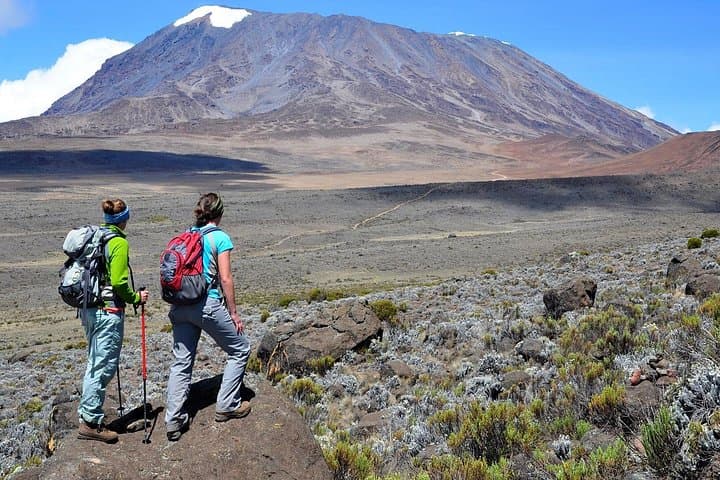
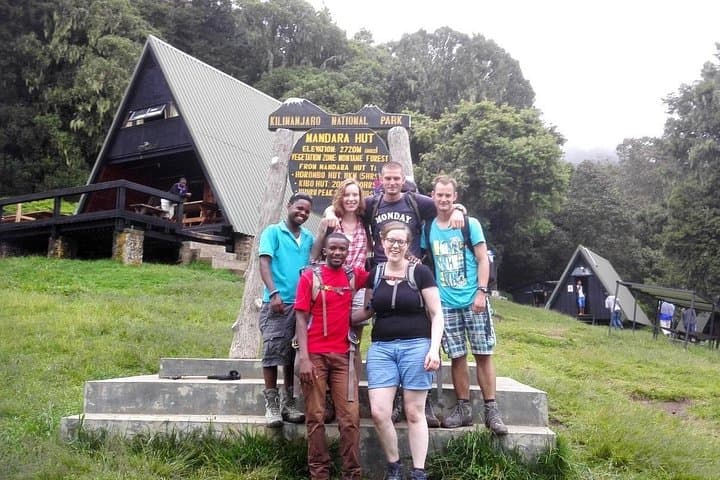
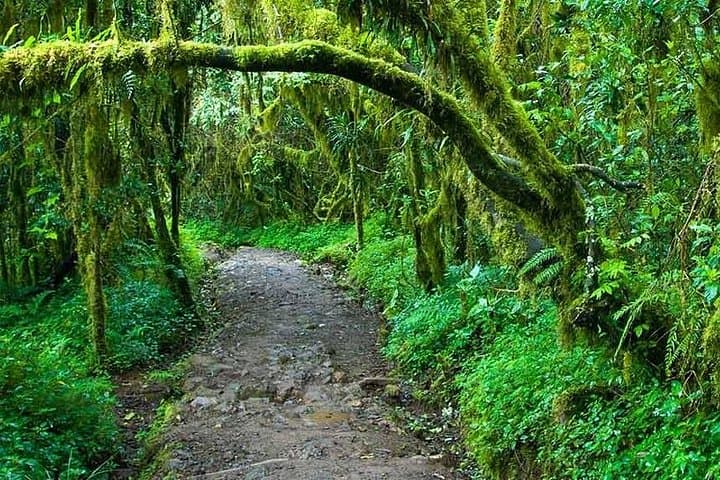
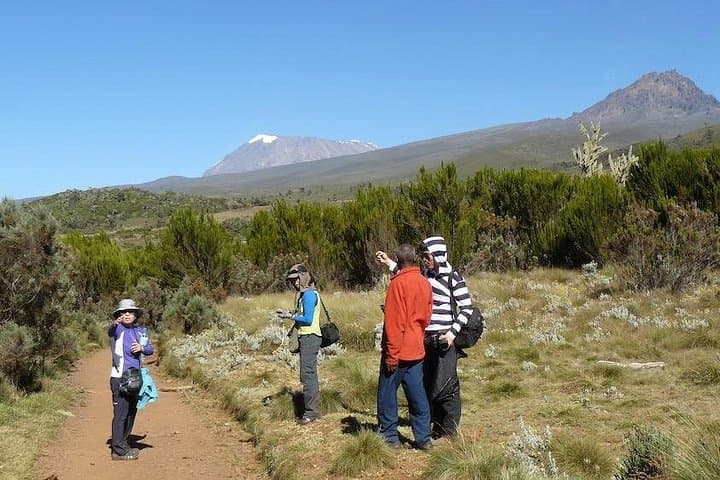
The sun lifts over Moshi and the road narrows into the coffee farms as your vehicle climbs toward Kilimanjaro National Park. By the gate the air changes—cooler, damp, filled with eucalyptus and the chatter of birds. You step into the rainforest; roots and mud underfoot push you upward while Colobus monkeys watch from the canopy. At Mandara Hut the skyline opens: Kibo’s crags and the Shira Plateau silhouette like a living geological map.
The sun lifts over Moshi and the road narrows into the coffee farms as your vehicle climbs toward Kilimanjaro National Park. By the gate the air changes—cooler, damp, filled with eucalyptus and the chatter of birds. You step into the rainforest; roots and mud underfoot push you upward while Colobus monkeys watch from the canopy. At Mandara Hut the skyline opens: Kibo’s crags and the Shira Plateau silhouette like a living geological map.
Kilimanjaro is a volcanic massif—an ancient cone with remnants of lava flows and a worn caldera that formed the Shira Plateau. The Marangu Route, one of the oldest established tracks, passes through habitats shaped by altitude and human stewardship; the Chagga communities on the lower slopes have cultivated coffee and terraces for generations. The short-day treks let you experience mountain forest, crater viewpoints like Maundi, and panoramic views without committing to a summit push.
Expect 8–11 km of hiking, elevation gain from roughly 1,860–3,020 m, and 7–10 hours total including transfers. Trails grow muddy in rain and slick with leaf litter; on clear days visibility can stretch into northern Tanzania and across the border to Kenya. Park regulations require certified guides and permits—your trip includes private transport, bottled water, and lunch.
Practical priorities: start early to avoid afternoon cloud buildup, layer for rapidly changing temperatures, use sturdy, grippy footwear, and pace conservatively to reduce altitude strain. This day trek balances highland scenery, wildlife glimpses, and a concentrated taste of Kilimanjaro’s volcanic history—ideal for hikers who want the mountain’s presence without a multi-day commitment.