THE ADVENTURE COLLECTIVE® · Independent discovery and booking for outdoor travel

A compact mountain day trip that pairs the cliff‑walled Qadisha Valley and the ancient Cedars of God with a visit to the Gibran Museum in Bcharre and a traditional lunch—ideal for travelers who want high‑country scenery and culture without a multi‑day commitment.
A compact mountain day trip that pairs the cliff‑walled Qadisha Valley and the ancient Cedars of God with a visit to the Gibran Museum in Bcharre and a traditional lunch—ideal for travelers who want high‑country scenery and culture without a multi‑day commitment.
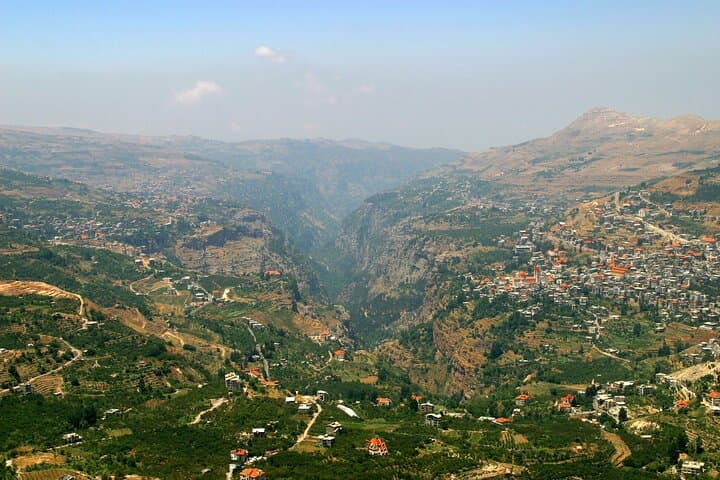
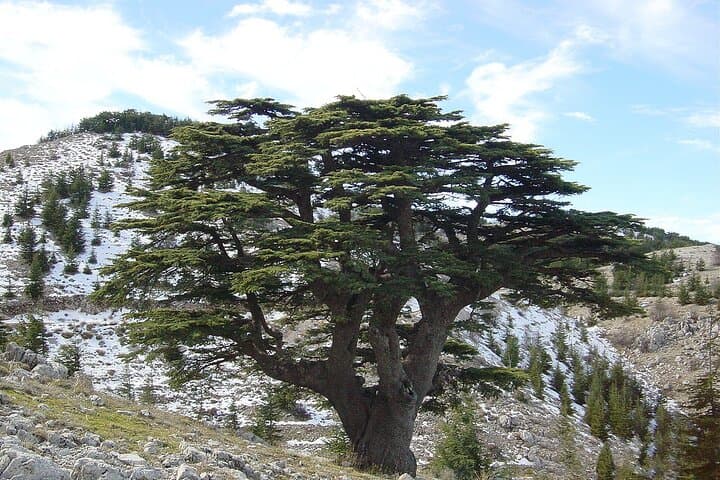
You arrive on a cool mountain road and the air changes—thinner, pine-scented, carrying wind off limestone cliffs. The Qadisha Valley opens like a folded map, cliffs plunging and ancient monasteries perched in caves; the valley seems to dare you to slow down and look up. From there the road climbs toward the Cedars of God, where gnarled cedar trunks stand like weathered guardians at roughly 1,800–2,000 m above sea level.
Verified experiences and guided adventures in the surrounding area.
Operated by Al Awael Travel & Tourism · Bcharre, North Governorate
You arrive on a cool mountain road and the air changes—thinner, pine-scented, carrying wind off limestone cliffs. The Qadisha Valley opens like a folded map, cliffs plunging and ancient monasteries perched in caves; the valley seems to dare you to slow down and look up. From there the road climbs toward the Cedars of God, where gnarled cedar trunks stand like weathered guardians at roughly 1,800–2,000 m above sea level.
Qadisha (the Holy Valley) has sheltered hermits and monastic communities for millennia; its churches and grottoes carved into the rock record a continuous human presence on steep terrain. Geologically, the valley is a deep karst cut into Jurassic and Cretaceous limestone, channels and caves formed by water and time. Bcharre (Bsharri) brings a cultural pivot: the Gibran Museum—dedicated to Kahlil Gibran—sits by Saint Sarkis forest, accompanied by Phoenician tomb remnants that hint at even older layers of history.
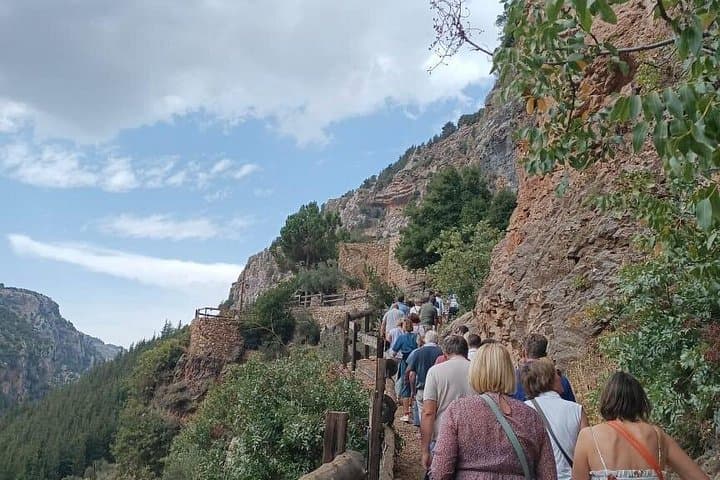
Practically: this is a paced, largely vehicle-supported day with short walks on uneven, sometimes rocky trails and paved village streets. Expect brief elevation changes when visiting viewpoints (steps and slick rock after rain). Wear sturdy shoes, bring layers for mountain wind, and plan for 6 hours including transport and a local lunch in Bcharre. Hydration and sun protection matter—altitude and exposure amplify fatigue and sunburn.
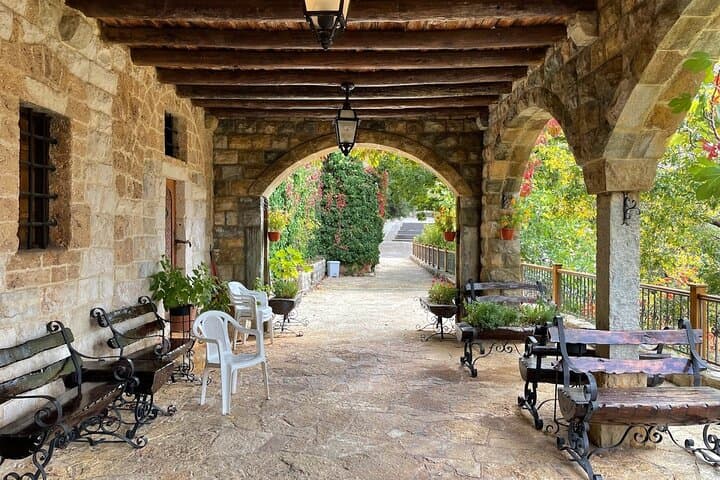
The trip balances quiet contemplation in monastic ruins with the tactile memory of cedar bark underhand; it’s part cultural history lesson, part easy alpine walk—an accessible way to sample Lebanon’s high-country character in a single day.
easy.
6 hours.
Suitable for travelers in average fitness; mostly short walks and site visits with minimal sustained climbing.
The shared tour runs about 6 hours and typically includes transport in an air‑conditioned vehicle, bottled water, lunch in Bcharre, and admission to the Cedars area and Gibran Museum as noted.
The tour is vehicle‑based with short walks; however, many viewpoints and monastery sites involve steps or uneven ground and may be difficult for guests with significant mobility limitations.
Dress modestly for religious sites—shoulders and knees covered—and wear comfortable shoes for cobbled streets and short trails.
Yes—roads are generally open year‑round but winter can bring snow at higher elevations; operators may cancel for severe weather and will advise on conditions.
Qadisha Valley has been a Christian monastic refuge since late antiquity; the area around Bcharre later became associated with Maronite communities and the poet Kahlil Gibran.
The Cedars of God is a protected remnant of Lebanon’s ancient cedar forests; visitors are asked to stay on trails and avoid touching or removing bark to protect old trees.
Al Awael Travel & Tourism operates guided outdoor trips and adventures with an emphasis on safety, stewardship, and memorable experiences.
You arrive on a cool mountain road and the air changes—thinner, pine-scented, carrying wind off limestone cliffs. The Qadisha Valley opens like a folded map, cliffs plunging and ancient monasteries perched in caves; the valley seems to dare you to slow down and look up. From there the road climbs toward the Cedars of God, where gnarled cedar trunks stand like weathered guardians at roughly 1,800–2,000 m above sea level.
You arrive on a cool mountain road and the air changes—thinner, pine-scented, carrying wind off limestone cliffs. The Qadisha Valley opens like a folded map, cliffs plunging and ancient monasteries perched in caves; the valley seems to dare you to slow down and look up. From there the road climbs toward the Cedars of God, where gnarled cedar trunks stand like weathered guardians at roughly 1,800–2,000 m above sea level.
Qadisha (the Holy Valley) has sheltered hermits and monastic communities for millennia; its churches and grottoes carved into the rock record a continuous human presence on steep terrain. Geologically, the valley is a deep karst cut into Jurassic and Cretaceous limestone, channels and caves formed by water and time. Bcharre (Bsharri) brings a cultural pivot: the Gibran Museum—dedicated to Kahlil Gibran—sits by Saint Sarkis forest, accompanied by Phoenician tomb remnants that hint at even older layers of history.
Practically: this is a paced, largely vehicle-supported day with short walks on uneven, sometimes rocky trails and paved village streets. Expect brief elevation changes when visiting viewpoints (steps and slick rock after rain). Wear sturdy shoes, bring layers for mountain wind, and plan for 6 hours including transport and a local lunch in Bcharre. Hydration and sun protection matter—altitude and exposure amplify fatigue and sunburn.
The trip balances quiet contemplation in monastic ruins with the tactile memory of cedar bark underhand; it’s part cultural history lesson, part easy alpine walk—an accessible way to sample Lebanon’s high-country character in a single day.