THE ADVENTURE COLLECTIVE® · Independent discovery and booking for outdoor travel

Head inland from Sri Lanka’s beaches for a day in Sinharaja Rain Forest — a UNESCO biosphere where endemic birds, damp trails and a closed canopy give you a rare taste of primary rainforest. Practical tips on timing, gear and what to expect inside the reserve.
Head inland from Sri Lanka’s beaches for a day in Sinharaja Rain Forest — a UNESCO biosphere where endemic birds, damp trails and a closed canopy give you a rare taste of primary rainforest. Practical tips on timing, gear and what to expect inside the reserve.
You step off the air‑conditioned vehicle and the forest meets you like a living wall — humid air, green light filtered through a dense canopy, and the distant call of endemic birds. A day tour to Sinharaja Rain Forest moves quickly from coastal towns into steep, wet hills where primary tropical rainforest still runs on its own clock.
Verified experiences and guided adventures in the surrounding area.
Operated by Ceylon Bell Travels and Tours · Deniyaya, Southern Province
You step off the air‑conditioned vehicle and the forest meets you like a living wall — humid air, green light filtered through a dense canopy, and the distant call of endemic birds. A day tour to Sinharaja Rain Forest moves quickly from coastal towns into steep, wet hills where primary tropical rainforest still runs on its own clock.
Sinharaja is Sri Lanka’s most important remnant of primary lowland rainforest, recognized by UNESCO and the IUCN for its extraordinary rates of endemism. Geologically the reserve sits on ancient metamorphic rock; soils and steep valleys feed fast streams and a braided network of trails carved by decades of local use. Culturally, villages around the reserve maintain smallholder agriculture and tea pockets — you’ll often pass roadside tea plots and hear stories from local guides about forest use and protection.
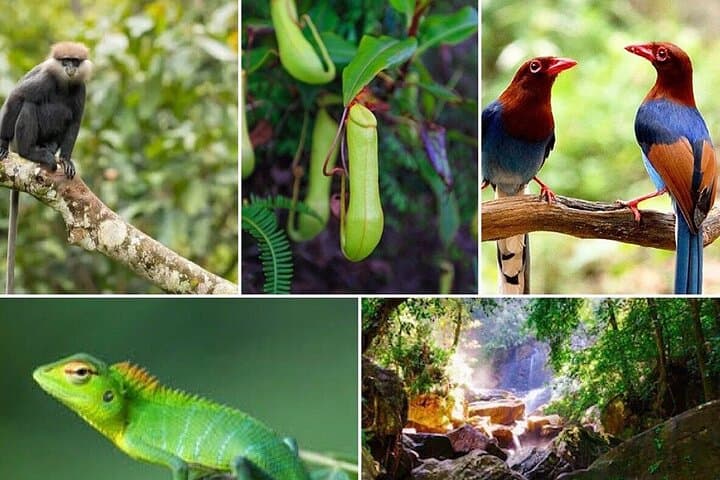
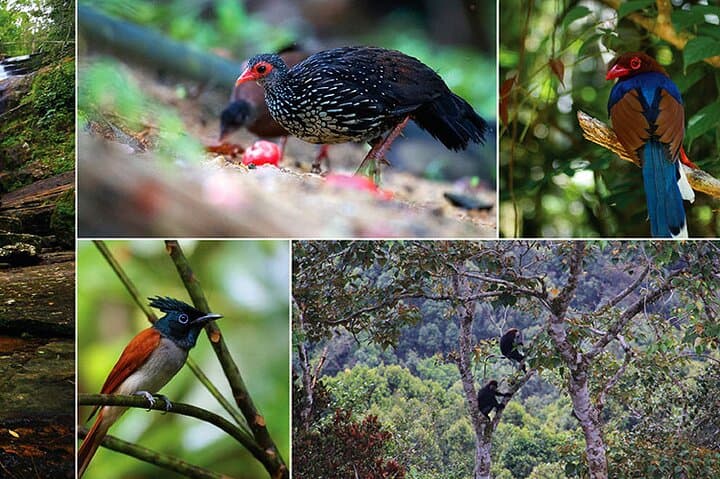
On trail you’ll trade beach sand for leaf litter: expect soft, often muddy paths, exposed roots, small stream crossings and a canopy that keeps light and humidity close. Wildlife sightings focus on birds, frogs and butterflies rather than large mammals; a patient hour can reward you with endemic species that rarely leave the forest interior.
Practical guidance: tours from Bentota or Galle typically run 4–8 hours including road time — leave early to avoid afternoon rain. Wear sturdy, grippy shoes, bring a lightweight rain jacket and insect repellent, and hydrate before and during the walk. Local guides lead the routes and interpret endemic flora and fauna; follow their pace and leave no trace. Rain or shine, Sinharaja demands respect and repays attention with rare, living forest scenes you won’t find elsewhere.
moderate.
4–8 hours.
Moderate fitness — able to walk 3–6 km on uneven, humid trails with some short climbs
Expect roughly 2–3 hours each way by road depending on traffic; tours often include hotel pickup and drop‑off.
Entrance fees and park permits are required and are typically handled by the tour operator or guide.
Moderate physical ability is required; short sections can be slippery — discuss mobility concerns with the operator before booking.
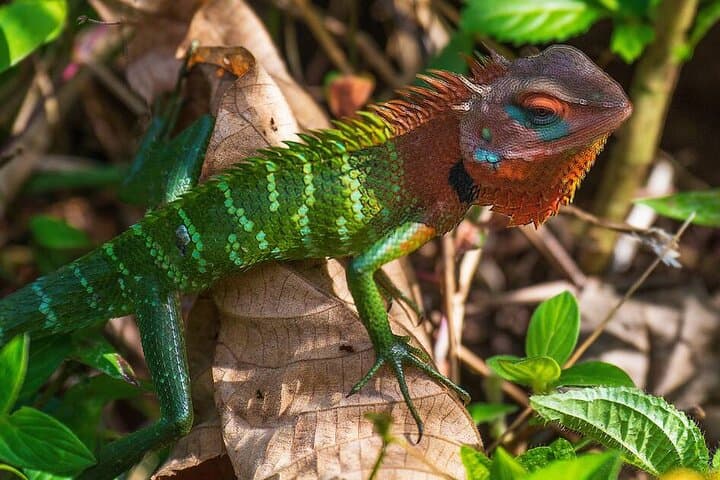
Look for endemic birds, frogs, butterflies and occasional small mammals — sightings aren’t guaranteed but guides increase your chances.
Declared a Forest Reserve in 1875 and later a UNESCO Biosphere and World Heritage Site, Sinharaja protects Sri Lanka’s last tract of lowland primary rainforest.
Strict park regulations limit human impact; support local guides and avoid off-trail travel to protect endemic flora and fragile soils.
Ceylon Bell Travels and Tours operates guided outdoor trips and adventures with an emphasis on safety, stewardship, and memorable experiences.
You step off the air‑conditioned vehicle and the forest meets you like a living wall — humid air, green light filtered through a dense canopy, and the distant call of endemic birds. A day tour to Sinharaja Rain Forest moves quickly from coastal towns into steep, wet hills where primary tropical rainforest still runs on its own clock.
You step off the air‑conditioned vehicle and the forest meets you like a living wall — humid air, green light filtered through a dense canopy, and the distant call of endemic birds. A day tour to Sinharaja Rain Forest moves quickly from coastal towns into steep, wet hills where primary tropical rainforest still runs on its own clock.
Sinharaja is Sri Lanka’s most important remnant of primary lowland rainforest, recognized by UNESCO and the IUCN for its extraordinary rates of endemism. Geologically the reserve sits on ancient metamorphic rock; soils and steep valleys feed fast streams and a braided network of trails carved by decades of local use. Culturally, villages around the reserve maintain smallholder agriculture and tea pockets — you’ll often pass roadside tea plots and hear stories from local guides about forest use and protection.
On trail you’ll trade beach sand for leaf litter: expect soft, often muddy paths, exposed roots, small stream crossings and a canopy that keeps light and humidity close. Wildlife sightings focus on birds, frogs and butterflies rather than large mammals; a patient hour can reward you with endemic species that rarely leave the forest interior.
Practical guidance: tours from Bentota or Galle typically run 4–8 hours including road time — leave early to avoid afternoon rain. Wear sturdy, grippy shoes, bring a lightweight rain jacket and insect repellent, and hydrate before and during the walk. Local guides lead the routes and interpret endemic flora and fauna; follow their pace and leave no trace. Rain or shine, Sinharaja demands respect and repays attention with rare, living forest scenes you won’t find elsewhere.