THE ADVENTURE COLLECTIVE® · Independent discovery and booking for outdoor travel

Spend a full day from Udaipur exploring two of Rajasthan’s landmark sites: the sprawling ramparts of Kumbhalgarh Fort and the intricately carved Ranakpur Jain Temple. This private day tour pairs history, geology and practical travel—ideal for travelers who want cultural depth without complicated logistics.
Spend a full day from Udaipur exploring two of Rajasthan’s landmark sites: the sprawling ramparts of Kumbhalgarh Fort and the intricately carved Ranakpur Jain Temple. This private day tour pairs history, geology and practical travel—ideal for travelers who want cultural depth without complicated logistics.
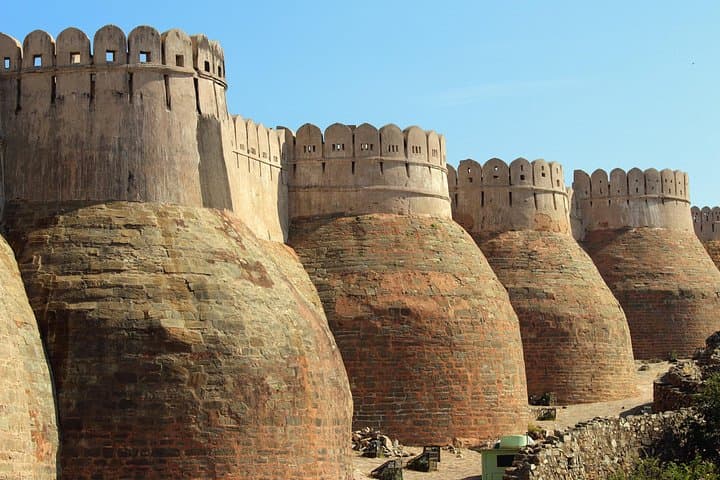
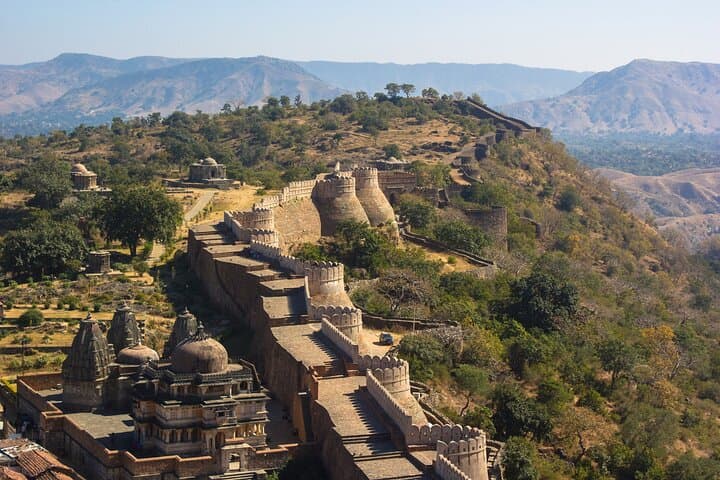
Early light lifts off Lake Pichola as an air‑conditioned car threads into the low, craggy arms of the Aravalli Range. The road leans upward, villages drift past and, after roughly 90–120 minutes, the stone silhouette of Kumbhalgarh unspools across a scrubby ridge—its ramparts running like a deliberate scar along the hill.
Verified experiences and guided adventures in the surrounding area.
Operated by Jee Tours · Udaipur, Rajasthan
Early light lifts off Lake Pichola as an air‑conditioned car threads into the low, craggy arms of the Aravalli Range. The road leans upward, villages drift past and, after roughly 90–120 minutes, the stone silhouette of Kumbhalgarh unspools across a scrubby ridge—its ramparts running like a deliberate scar along the hill.
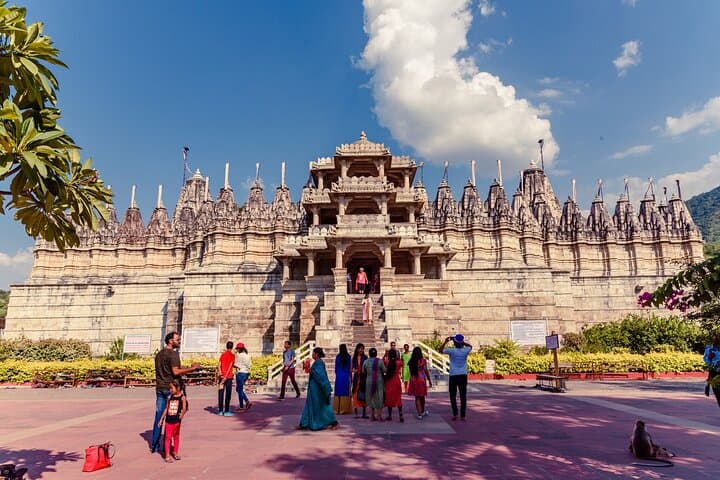
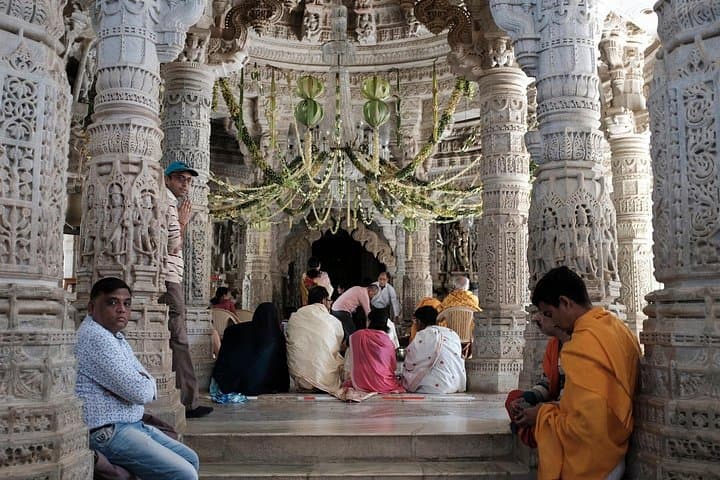
Kumbhalgarh Fort, raised by Rana Kumbha in the 15th century, stakes a claim in Rajasthan’s martial geography: a defensive wall that extends for tens of kilometres and gates that guard courtyards, reservoirs and temples. Later in the day you descend to Ranakpur, where the Chaumukha (four‑faced) Jain temple unfolds a forest of carved pillars—an architectural study in geometry and devotional austerity begun in the same century by local patrons.
Geology and culture meet here: the Aravalli’s ancient folded rock hosts tanks and terraces, while Jain and Hindu shrines reflect centuries of regional patronage and religious pluralism. Local guides and on‑site audio guides explain iconography and conservation needs.
Practical edge: this is a full, roughly eight‑hour private tour with two hours allocated at each site and door‑to‑door transfers from Udaipur. Expect uneven stone steps at Kumbhalgarh and long cloistered halls at Ranakpur—modest dress is required inside the temple, and human guides may be restricted at Ranakpur (audio guides are often mandatory). Carry water, sun protection, and small change for entrance fees or audio rentals. Plan for early starts to avoid midday heat and crowds; the rhythm of the day favors steady walking and curiosity over speed.
easy.
8 hours.
Suitable for most fitness levels; involves walking on uneven stone surfaces and stairs but no technical climbing.
The tour runs about eight hours and typically includes private air‑conditioned transport and a driver; attractions’ entry fees and Ranakpur audio guide may not be included.
Yes—visitors of any faith may visit, but there is a strict dress code and audio guides are commonly required inside the temple complex.
Yes—the fort has multiple gates, ramparts and stairways; mobility‑impaired travelers should plan accordingly and notify operators in advance.
Most operators offer hotel pickup and private itineraries; confirm pickup point and any customization options when booking.
Kumbhalgarh was constructed in the 15th century by Rana Kumbha and later became part of the UNESCO Hill Forts of Rajasthan; Ranakpur temple dates to the same period and reflects concentrated Jain patronage.
Both sites face wear from tourism and weathering; visitors are encouraged to stay on paths, avoid touching delicate carvings and follow local waste‑reduction guidance.
Jee Tours operates guided outdoor trips and adventures with an emphasis on safety, stewardship, and memorable experiences.
Early light lifts off Lake Pichola as an air‑conditioned car threads into the low, craggy arms of the Aravalli Range. The road leans upward, villages drift past and, after roughly 90–120 minutes, the stone silhouette of Kumbhalgarh unspools across a scrubby ridge—its ramparts running like a deliberate scar along the hill.
Early light lifts off Lake Pichola as an air‑conditioned car threads into the low, craggy arms of the Aravalli Range. The road leans upward, villages drift past and, after roughly 90–120 minutes, the stone silhouette of Kumbhalgarh unspools across a scrubby ridge—its ramparts running like a deliberate scar along the hill.
Kumbhalgarh Fort, raised by Rana Kumbha in the 15th century, stakes a claim in Rajasthan’s martial geography: a defensive wall that extends for tens of kilometres and gates that guard courtyards, reservoirs and temples. Later in the day you descend to Ranakpur, where the Chaumukha (four‑faced) Jain temple unfolds a forest of carved pillars—an architectural study in geometry and devotional austerity begun in the same century by local patrons.
Geology and culture meet here: the Aravalli’s ancient folded rock hosts tanks and terraces, while Jain and Hindu shrines reflect centuries of regional patronage and religious pluralism. Local guides and on‑site audio guides explain iconography and conservation needs.
Practical edge: this is a full, roughly eight‑hour private tour with two hours allocated at each site and door‑to‑door transfers from Udaipur. Expect uneven stone steps at Kumbhalgarh and long cloistered halls at Ranakpur—modest dress is required inside the temple, and human guides may be restricted at Ranakpur (audio guides are often mandatory). Carry water, sun protection, and small change for entrance fees or audio rentals. Plan for early starts to avoid midday heat and crowds; the rhythm of the day favors steady walking and curiosity over speed.