THE ADVENTURE COLLECTIVE® · Independent discovery and booking for outdoor travel

In a single long day from Cairo you can cross from lush Bahariya Oasis to the dark domes of the Black Desert and the chalk sculptures of the White Desert, ending at the glittering Crystal Mountain. This tour compresses the Western Desert’s geological drama into an accessible, guide-led adventure.
In a single long day from Cairo you can cross from lush Bahariya Oasis to the dark domes of the Black Desert and the chalk sculptures of the White Desert, ending at the glittering Crystal Mountain. This tour compresses the Western Desert’s geological drama into an accessible, guide-led adventure.
The engine hum of an air-conditioned van dwindles as palms give way to a stitched horizon of sand and stone. By mid-morning you step out into Bahariya Oasis — a ribbon of green and brackish wells — then push west where the land changes its mood: the Black Desert’s scoria domes rise like scattered coal, and further on the White Desert unfurls chalk formations twisted by wind into otherworldly pillars and mushrooms. Crystal Mountain glitters like a lone geode, its quartz faces daring you to come closer.
Verified experiences and guided adventures in the surrounding area.
Operated by LTH TRAVEL LLC · Bawiti (Bahariya Oasis), New Valley Governorate
The engine hum of an air-conditioned van dwindles as palms give way to a stitched horizon of sand and stone. By mid-morning you step out into Bahariya Oasis — a ribbon of green and brackish wells — then push west where the land changes its mood: the Black Desert’s scoria domes rise like scattered coal, and further on the White Desert unfurls chalk formations twisted by wind into otherworldly pillars and mushrooms. Crystal Mountain glitters like a lone geode, its quartz faces daring you to come closer.
This route threads ancient human and geological stories. Bahariya has been an agricultural and caravan hub since Pharaonic times and yielded the famed “Valley of the Golden Mummies.” The White Desert’s pale sculptures are remnant seabed and wind-sculpted chalk; the Black Desert’s darker hills are volcanic ash and basalt baked by deep-time heat.
Local guides — often from nearby settlements — read the landscape like a map, pointing out seasonal springs, nomadic camps, and the small-scale farms that persist in the shade of palms.
Practical edge: expect long drives on unpaved tracks and short walks to viewpoints. Start early from Cairo to avoid peak heat, bring layered sun protection and at least 2–3 liters of water, and wear sturdy shoes for uneven ground. Photography windows are frequent around sunrise and late afternoon when shadows carve the formations.
A single-day tour packs diverse geology and clear desert light into hours, delivering a concentrated taste of Egypt’s western sands with minimal hiking but maximum visual payoff.
easy.
10–12 hours.
Basic fitness — primarily vehicle-based with short, uneven walks to viewpoints; suitable for most travelers.
The tour runs about 10–12 hours; most departures from Cairo are early morning (around 5–7am) to maximize daylight and avoid peak heat.
Yes — the trip includes short guided walks to viewpoints and formations, but most travel is by private, air-conditioned vehicle with minimal strenuous hiking.
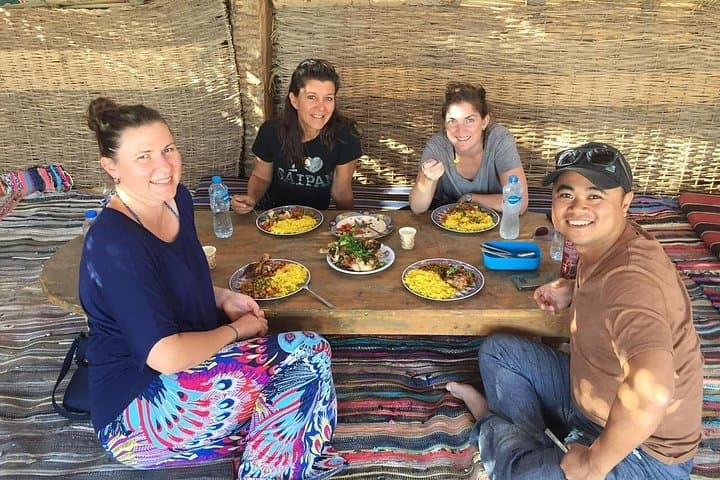
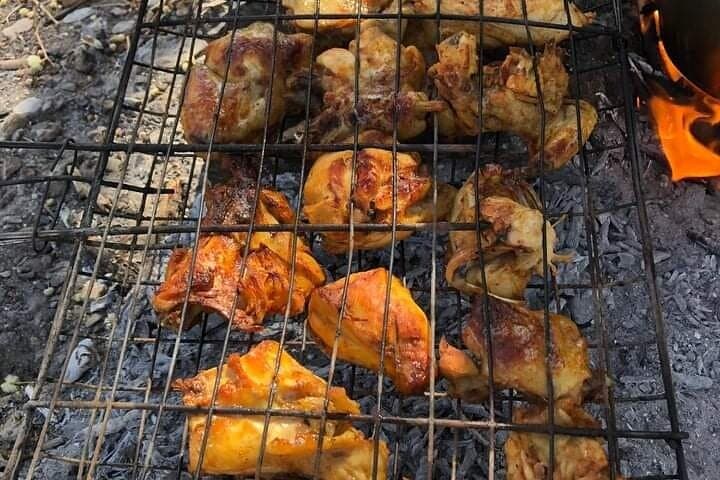
Lunch is included in the tour price and bottled water is provided; bring snacks if you prefer specific dietary items.
Generally yes — the tour is listed as suitable for all fitness levels, but uneven ground at viewpoints may limit access for some mobility devices; check pickup and vehicle accessibility when booking.
Bahariya Oasis has served as an agricultural and caravan node since Pharaonic times and yielded significant archaeological finds such as the ‘Golden Mummies’ discovered in the 1990s.
The chalk formations are fragile — avoid climbing on delicate sculptures, pack out all waste, and stick to established routes to minimize erosion and cultural-site disturbance.
LTH TRAVEL LLC operates guided outdoor trips and adventures with an emphasis on safety, stewardship, and memorable experiences.
The engine hum of an air-conditioned van dwindles as palms give way to a stitched horizon of sand and stone. By mid-morning you step out into Bahariya Oasis — a ribbon of green and brackish wells — then push west where the land changes its mood: the Black Desert’s scoria domes rise like scattered coal, and further on the White Desert unfurls chalk formations twisted by wind into otherworldly pillars and mushrooms. Crystal Mountain glitters like a lone geode, its quartz faces daring you to come closer.
The engine hum of an air-conditioned van dwindles as palms give way to a stitched horizon of sand and stone. By mid-morning you step out into Bahariya Oasis — a ribbon of green and brackish wells — then push west where the land changes its mood: the Black Desert’s scoria domes rise like scattered coal, and further on the White Desert unfurls chalk formations twisted by wind into otherworldly pillars and mushrooms. Crystal Mountain glitters like a lone geode, its quartz faces daring you to come closer.
This route threads ancient human and geological stories. Bahariya has been an agricultural and caravan hub since Pharaonic times and yielded the famed “Valley of the Golden Mummies.” The White Desert’s pale sculptures are remnant seabed and wind-sculpted chalk; the Black Desert’s darker hills are volcanic ash and basalt baked by deep-time heat.
Local guides — often from nearby settlements — read the landscape like a map, pointing out seasonal springs, nomadic camps, and the small-scale farms that persist in the shade of palms.
Practical edge: expect long drives on unpaved tracks and short walks to viewpoints. Start early from Cairo to avoid peak heat, bring layered sun protection and at least 2–3 liters of water, and wear sturdy shoes for uneven ground. Photography windows are frequent around sunrise and late afternoon when shadows carve the formations.
A single-day tour packs diverse geology and clear desert light into hours, delivering a concentrated taste of Egypt’s western sands with minimal hiking but maximum visual payoff.