THE ADVENTURE COLLECTIVE® · Independent discovery and booking for outdoor travel

Travel from Luxor to two of Upper Egypt’s best-preserved temples—Edfu’s monumental halls and Kom Ombo’s dramatic twin shrine—on a private day tour with an Egyptologist guide. Expect 8–10 hours of river views, richly carved reliefs, and practical advice on timing, tickets, and what to bring.
Travel from Luxor to two of Upper Egypt’s best-preserved temples—Edfu’s monumental halls and Kom Ombo’s dramatic twin shrine—on a private day tour with an Egyptologist guide. Expect 8–10 hours of river views, richly carved reliefs, and practical advice on timing, tickets, and what to bring.
You step into a low, hot light as the minivan pulls away from Luxor and the Nile opens up—wide, blue, and impatient—daring you to watch its banks. The first stop, Edfu, arrives like a stone book: massive pylons and crisp Ptolemaic reliefs that read like civic records of gods and rituals. Walk the long processional approach and the temple’s scale becomes a practical fact, not an idea.
Verified experiences and guided adventures in the surrounding area.
Operated by Ra Egypt Tour Guide · Luxor, Luxor Governorate
You step into a low, hot light as the minivan pulls away from Luxor and the Nile opens up—wide, blue, and impatient—daring you to watch its banks. The first stop, Edfu, arrives like a stone book: massive pylons and crisp Ptolemaic reliefs that read like civic records of gods and rituals. Walk the long processional approach and the temple’s scale becomes a practical fact, not an idea.
Kom Ombo perches differently, a twin-temple split down the middle and staring directly across the river. Its setting gives the Nile a starring role—reflections, fishermen, and that particular Egyptian light that sharpens sandstone edges into readable profiles. The reliefs and the small on-site museum, where mummified crocodiles and surgical tools are displayed, reveal daily and spiritual life in the Pharaonic period.
Geology here is simple: soft sandstone and Nile silt produced the blocks you trace with your eyes; erosion and wind shape details by degrees. Culturally, both temples belong to the later Pharaonic era and showcase how Greek and Egyptian practices blended under the Ptolemies.
Practical guidance: tours run 8–10 hours from Luxor with private, air-conditioned transfer. Expect flat walking on stone and packed-earth paths, some steps, and direct sun—carry water, sun protection, and modest clothing for temple interiors. Tickets and museum fees are usually paid on site; check with your operator about included admissions. Early starts beat the heat and crowds, and a local Egyptologist guide will make inscriptions and ritual scenes come alive. Respect barriers, avoid touching reliefs, and leave space for local worship and photographers.
easy.
8–10 hours.
Suitable for anyone in average health; involves walking on flat stone and some steps throughout the day.
Most operators list admissions as excluded; this tour’s inclusions do not specify entrance fees, so plan to buy tickets on site or confirm with your supplier.
Yes—round transfers between Luxor, Edfu, and Kom Ombo are included and the operator typically arranges hotel pickup; confirm your pickup point at booking.
Both temples have flat approaches but include steps and uneven stone floors; accessible facilities are limited, so travelers with mobility needs should contact the operator in advance.
Photography is generally allowed in exterior and many interior areas, but flash and tripods may be restricted in museum spaces—follow on-site signage and guide instructions.
Edfu is one of the best-preserved Ptolemaic temples, dedicated to Horus; Kom Ombo is unique as a dual temple honoring Sobek and Horus and includes medical tools depicted in its reliefs.
Both sites are vulnerable to erosion and visitor wear; stick to marked paths, avoid touching reliefs, and support licensed local guides to ensure revenue benefits conservation efforts.
Ra Egypt Tour Guide operates guided outdoor trips and adventures with an emphasis on safety, stewardship, and memorable experiences.


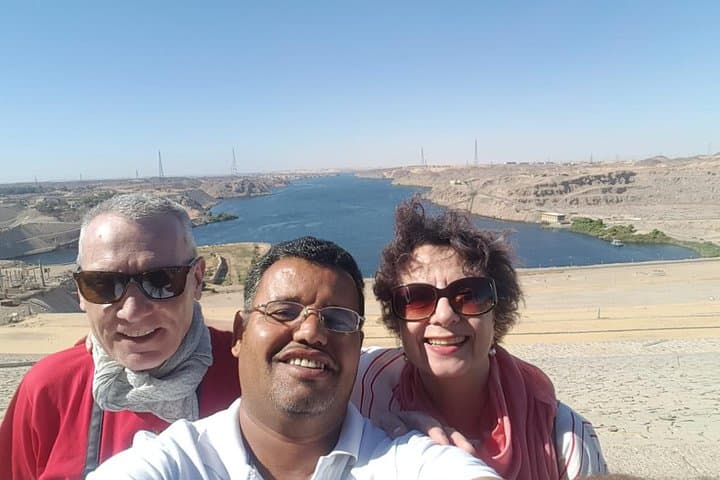

You step into a low, hot light as the minivan pulls away from Luxor and the Nile opens up—wide, blue, and impatient—daring you to watch its banks. The first stop, Edfu, arrives like a stone book: massive pylons and crisp Ptolemaic reliefs that read like civic records of gods and rituals. Walk the long processional approach and the temple’s scale becomes a practical fact, not an idea.
You step into a low, hot light as the minivan pulls away from Luxor and the Nile opens up—wide, blue, and impatient—daring you to watch its banks. The first stop, Edfu, arrives like a stone book: massive pylons and crisp Ptolemaic reliefs that read like civic records of gods and rituals. Walk the long processional approach and the temple’s scale becomes a practical fact, not an idea.
Kom Ombo perches differently, a twin-temple split down the middle and staring directly across the river. Its setting gives the Nile a starring role—reflections, fishermen, and that particular Egyptian light that sharpens sandstone edges into readable profiles. The reliefs and the small on-site museum, where mummified crocodiles and surgical tools are displayed, reveal daily and spiritual life in the Pharaonic period.
Geology here is simple: soft sandstone and Nile silt produced the blocks you trace with your eyes; erosion and wind shape details by degrees. Culturally, both temples belong to the later Pharaonic era and showcase how Greek and Egyptian practices blended under the Ptolemies.
Practical guidance: tours run 8–10 hours from Luxor with private, air-conditioned transfer. Expect flat walking on stone and packed-earth paths, some steps, and direct sun—carry water, sun protection, and modest clothing for temple interiors. Tickets and museum fees are usually paid on site; check with your operator about included admissions. Early starts beat the heat and crowds, and a local Egyptologist guide will make inscriptions and ritual scenes come alive. Respect barriers, avoid touching reliefs, and leave space for local worship and photographers.