THE ADVENTURE COLLECTIVE® · Independent discovery and booking for outdoor travel

Spend a full day exploring Qadisha Valley, the Gibran Museum in Bcharre and the ancient Cedars of God with a small guided group from Beirut. Expect short walks, cultural stops, and a scenic mountain drive with lunch included.
Spend a full day exploring Qadisha Valley, the Gibran Museum in Bcharre and the ancient Cedars of God with a small guided group from Beirut. Expect short walks, cultural stops, and a scenic mountain drive with lunch included.
You step off the air‑conditioned minibus onto a wind‑brushed ridge and the mountain opens: terraced limestone cliffs, a scatter of churches, and the cedar grove lifting its dark boughs against a blue that feels closer at altitude.
Verified experiences and guided adventures in the surrounding area.
Operated by Lebanon Tours & travels · Bcharre, North Governorate
You step off the air‑conditioned minibus onto a wind‑brushed ridge and the mountain opens: terraced limestone cliffs, a scatter of churches, and the cedar grove lifting its dark boughs against a blue that feels closer at altitude.
This small‑group day tour threads through northern Lebanon’s layered history. Qadisha Valley carved itself into the mountain over millennia, its caves and cliffs sheltering some of the earliest Christian hermitages. In Bcharre you’ll find the Gibran Museum — once a monastery, now a compact archive of Kahlil Gibran’s paintings and manuscripts — and the town’s low stone churches that mark a long local devotion.
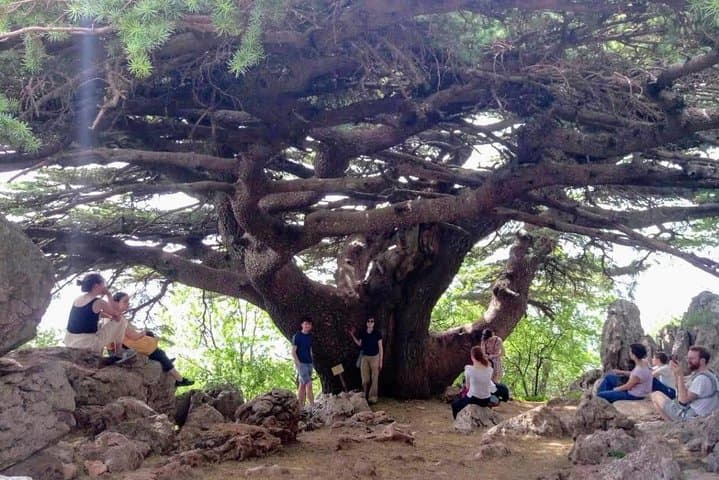
Geology here is limestone and karst; water has gnawed deep gorges and fed terraces that sustained monastic communities for centuries. The Cedars of God are relicts of an ancient forest, trees slow of growth with contorted trunks that bear the weight of both history and wind. Local culture mixes Maronite Christian traditions with mountain farming; humble guesthouses and small cafés give a clear sense of place.
Practically: expect a full‑day itinerary (around 8–9 hours including transfer time), multiple short stops, and moderate walking around museums, viewpoints and the cedar grove. Wear grippy shoes for uneven stone paths, layers for variable mountain weather, and bring cash for small donations or souvenirs. Guides handle logistics and admissions, so the day is best enjoyed by watching the landscape shift and listening to the valley’s stories.
easy.
8–9 hours.
Suitable for travelers in average fitness; involves short periods of standing and light walking on uneven ground.
Yes — the tour includes pickup and drop‑off from central Beirut locations indicated at booking.
Admissions listed in the itinerary (Gibran Museum and the Cedars site) are included in the tour price.
Yes — the itinerary is rated easy with minimal walking; however, some sites have stairs and uneven terrain.
Guides can usually accommodate common dietary restrictions if notified at booking; specify requirements when you reserve.
Qadisha Valley hosted early Christian monastic communities from late antiquity; many cliffside hermitages and monasteries date back over a millennium.
The Cedars of God are a protected remnant; visitors are asked to stay on paths and avoid damaging saplings—local reforestation and site‑management efforts are ongoing.
Lebanon Tours & travels operates guided outdoor trips and adventures with an emphasis on safety, stewardship, and memorable experiences.
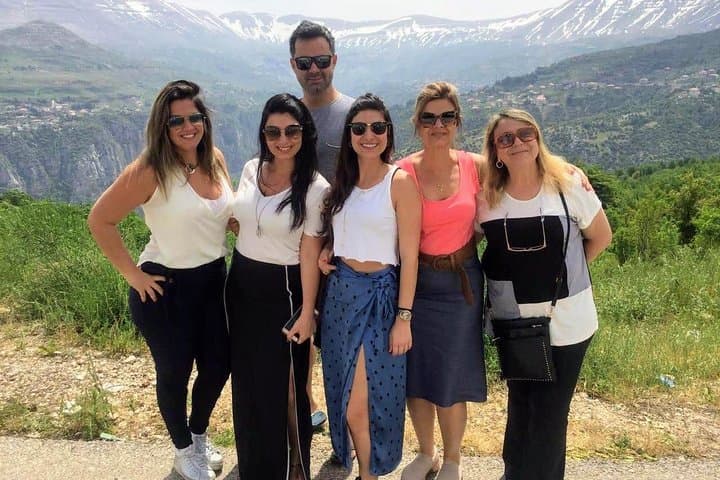
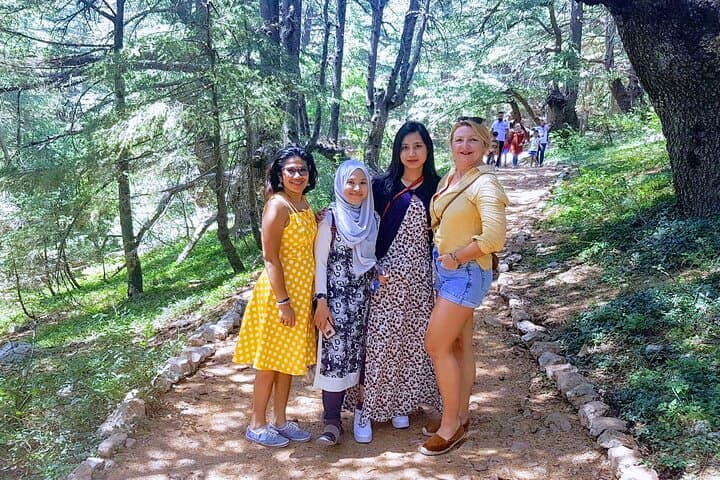
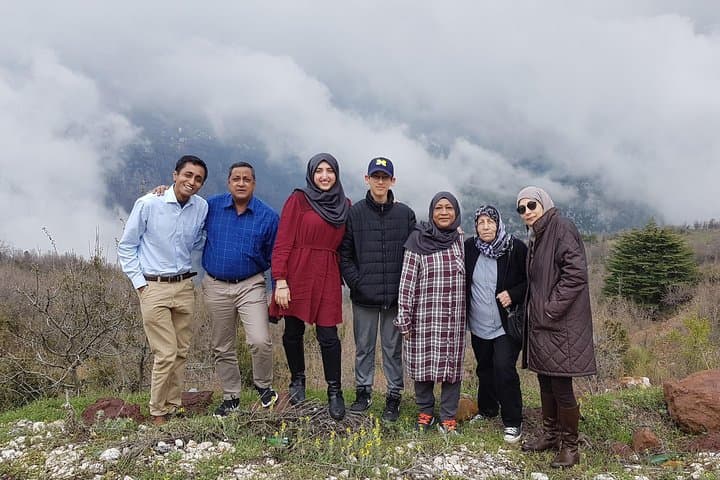
You step off the air‑conditioned minibus onto a wind‑brushed ridge and the mountain opens: terraced limestone cliffs, a scatter of churches, and the cedar grove lifting its dark boughs against a blue that feels closer at altitude.
You step off the air‑conditioned minibus onto a wind‑brushed ridge and the mountain opens: terraced limestone cliffs, a scatter of churches, and the cedar grove lifting its dark boughs against a blue that feels closer at altitude.
This small‑group day tour threads through northern Lebanon’s layered history. Qadisha Valley carved itself into the mountain over millennia, its caves and cliffs sheltering some of the earliest Christian hermitages. In Bcharre you’ll find the Gibran Museum — once a monastery, now a compact archive of Kahlil Gibran’s paintings and manuscripts — and the town’s low stone churches that mark a long local devotion.
Geology here is limestone and karst; water has gnawed deep gorges and fed terraces that sustained monastic communities for centuries. The Cedars of God are relicts of an ancient forest, trees slow of growth with contorted trunks that bear the weight of both history and wind. Local culture mixes Maronite Christian traditions with mountain farming; humble guesthouses and small cafés give a clear sense of place.
Practically: expect a full‑day itinerary (around 8–9 hours including transfer time), multiple short stops, and moderate walking around museums, viewpoints and the cedar grove. Wear grippy shoes for uneven stone paths, layers for variable mountain weather, and bring cash for small donations or souvenirs. Guides handle logistics and admissions, so the day is best enjoyed by watching the landscape shift and listening to the valley’s stories.