THE ADVENTURE COLLECTIVE® · Independent discovery and booking for outdoor travel

A full-day circuit that pairs Krushuna’s travertine waterfalls and the cavernous Devetashka Cave with Lovech’s historic Covered Bridge and old town. Ideal for travelers who want a mix of geology, wildlife, and local culture in one accessible day trip.
A full-day circuit that pairs Krushuna’s travertine waterfalls and the cavernous Devetashka Cave with Lovech’s historic Covered Bridge and old town. Ideal for travelers who want a mix of geology, wildlife, and local culture in one accessible day trip.
You step out where limestone meets forest and the air is cool with spray; the Krushuna stream hurries past, daring you closer. Wooden bridges and carved steps thread the eco-trail, guiding you through terraces of blue-green pools and moss-slick rock until the main cascade drops roughly 20 meters into a churning bowl.
Verified experiences and guided adventures in the surrounding area.
Operated by campfirebg, ltd · Lovech, Lovech Province
You step out where limestone meets forest and the air is cool with spray; the Krushuna stream hurries past, daring you closer. Wooden bridges and carved steps thread the eco-trail, guiding you through terraces of blue-green pools and moss-slick rock until the main cascade drops roughly 20 meters into a churning bowl.
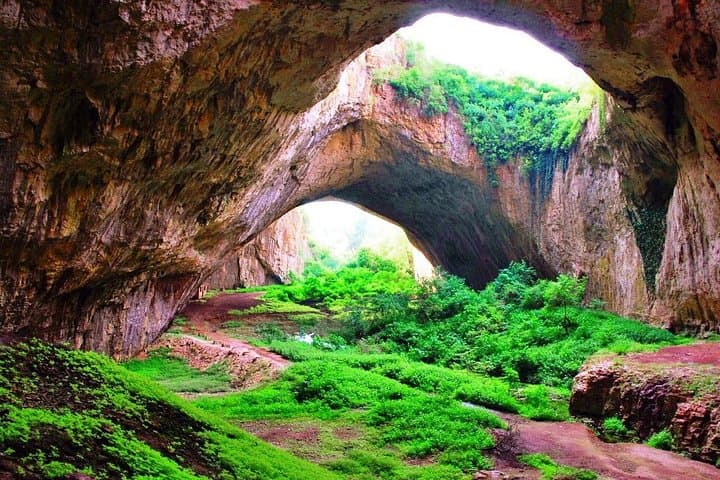
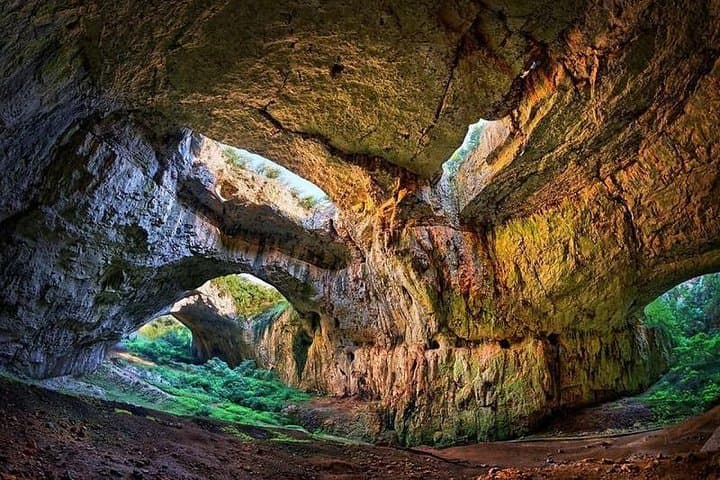
Geology here is blunt and readable: travertine and karst have sculpted benches and caves for millennia. Devetashka Cave, a vast collapsed-roof chamber on the plateau, opens like a cathedral to the sky—its large daylight apertures and high vaults are both habitat and archive, with archaeological traces reaching back to prehistoric occupation.
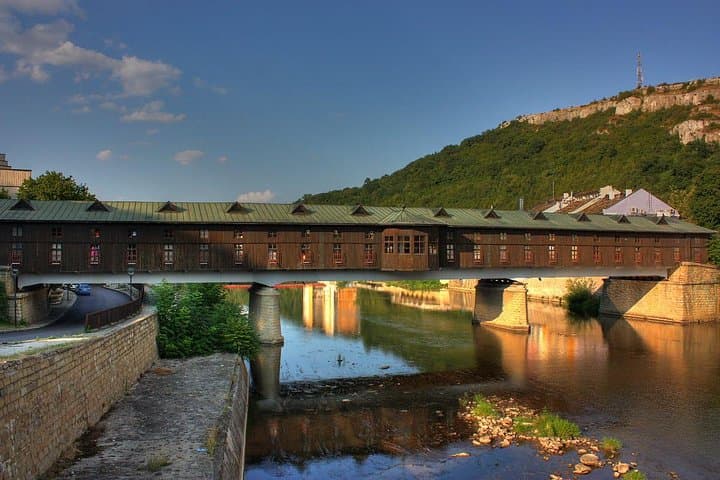
Lovech’s Covered Bridge (1872–1874) shifts the tour from raw nature to human craft; built by master builder Kolyu Ficheto, it links the Varosha quarter to the river and the town’s Ottoman- and Revival-era architecture. Lunch on the riverbank and a stroll through cobbled lanes add cultural texture—local bakeries and small museums tell the region’s story.
Practical guidance: the Krushuna path uses stairs and boardwalks—good hiking shoes and a light waterproof shell are wise. The cave is cool and dim; bring a headlamp or phone light and watch for slippery limestone. Spring brings high flows and best colors; summer is warm and busier; autumn cools down with clear views; winter sections can ice over.
Respect marked trails and bat roost zones in the cave, carry out trash, and time your day early to beat the crowds and make the most of both waterfalls and town.
easy.
8–10 hours (full-day).
Suitable for most people who can handle several short walks, stairs, and uneven surfaces; minimal sustained aerobic strain.
From Sofia expect roughly 1.5–2.5 hours each way depending on traffic; tours often include transport as part of the day.
Yes—many parts are family-friendly but watch small children near ledges and avoid disturbing bat areas.
This varies by operator; check the tour inclusions—some tours include cave and waterfall access while others do not.
Swimming is generally not recommended or allowed at the main cascades due to safety and conservation; stick to designated viewing areas.
Lovech grew as a key trade and crafts center; the Covered Bridge by Kolyu Ficheto is a 19th-century engineering highlight that linked the old and new quarters.
Karst and travertine formations are fragile—stay on boardwalks and avoid touching delicate deposits; the cave hosts protected bat colonies, so minimize disturbance.
campfirebg, ltd operates guided outdoor trips and adventures with an emphasis on safety, stewardship, and memorable experiences.
You step out where limestone meets forest and the air is cool with spray; the Krushuna stream hurries past, daring you closer. Wooden bridges and carved steps thread the eco-trail, guiding you through terraces of blue-green pools and moss-slick rock until the main cascade drops roughly 20 meters into a churning bowl.
You step out where limestone meets forest and the air is cool with spray; the Krushuna stream hurries past, daring you closer. Wooden bridges and carved steps thread the eco-trail, guiding you through terraces of blue-green pools and moss-slick rock until the main cascade drops roughly 20 meters into a churning bowl.
Geology here is blunt and readable: travertine and karst have sculpted benches and caves for millennia. Devetashka Cave, a vast collapsed-roof chamber on the plateau, opens like a cathedral to the sky—its large daylight apertures and high vaults are both habitat and archive, with archaeological traces reaching back to prehistoric occupation.
Lovech’s Covered Bridge (1872–1874) shifts the tour from raw nature to human craft; built by master builder Kolyu Ficheto, it links the Varosha quarter to the river and the town’s Ottoman- and Revival-era architecture. Lunch on the riverbank and a stroll through cobbled lanes add cultural texture—local bakeries and small museums tell the region’s story.
Practical guidance: the Krushuna path uses stairs and boardwalks—good hiking shoes and a light waterproof shell are wise. The cave is cool and dim; bring a headlamp or phone light and watch for slippery limestone. Spring brings high flows and best colors; summer is warm and busier; autumn cools down with clear views; winter sections can ice over.
Respect marked trails and bat roost zones in the cave, carry out trash, and time your day early to beat the crowds and make the most of both waterfalls and town.