THE ADVENTURE COLLECTIVE® · Independent discovery and booking for outdoor travel

Travel from Safaga Port to Luxor on a private, Egyptologist-led day trip that visits the Valley of the Kings, Hatshepsut’s temple, Karnak and a felucca lunch on the Nile. This long day combines expert narration with practical logistics for a focused cultural immersion.
Travel from Safaga Port to Luxor on a private, Egyptologist-led day trip that visits the Valley of the Kings, Hatshepsut’s temple, Karnak and a felucca lunch on the Nile. This long day combines expert narration with practical logistics for a focused cultural immersion.
Morning light flattens the desert as a private minivan slips away from Safaga Port, tires whispering on sunbaked asphalt toward the Nile’s ribbon of green. By late morning the city of Luxor rises from the horizon: sandstone temples, crenellated pylons and the slow, insistent current of the river that once powered an empire.
Verified experiences and guided adventures in the surrounding area.
Operated by Egypt Private Trips · Luxor, Luxor Governorate
Morning light flattens the desert as a private minivan slips away from Safaga Port, tires whispering on sunbaked asphalt toward the Nile’s ribbon of green. By late morning the city of Luxor rises from the horizon: sandstone temples, crenellated pylons and the slow, insistent current of the river that once powered an empire.
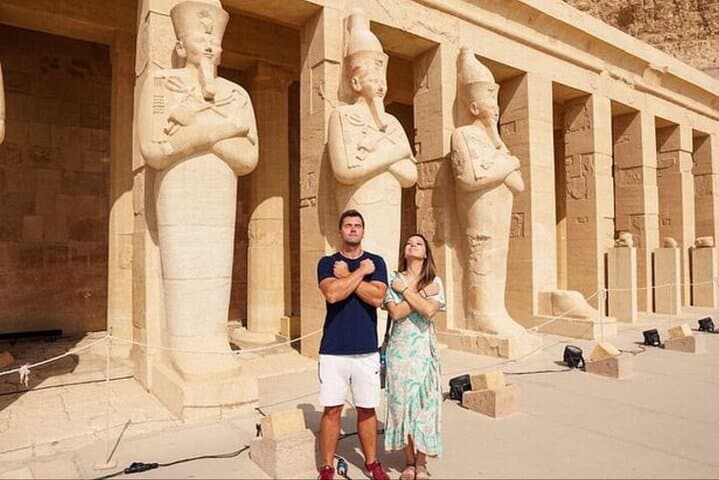
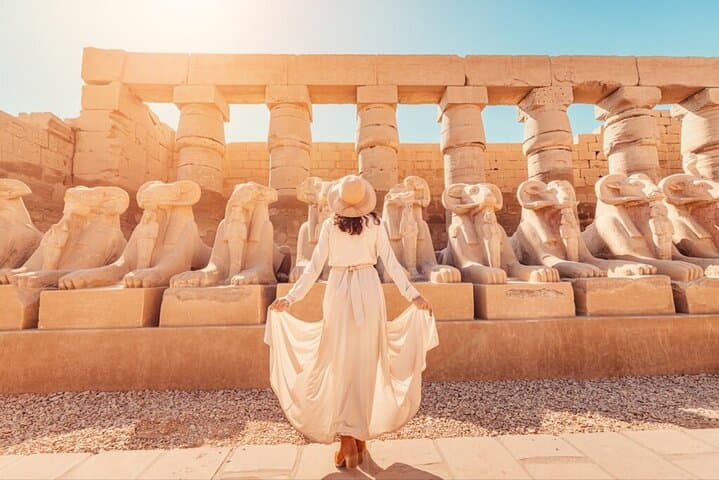
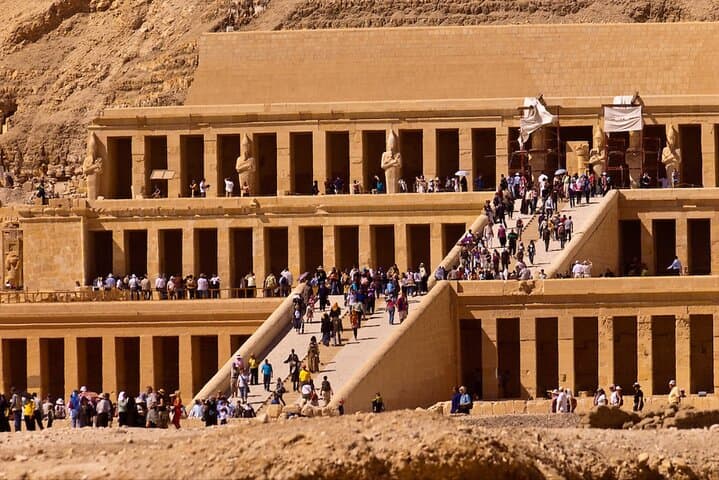
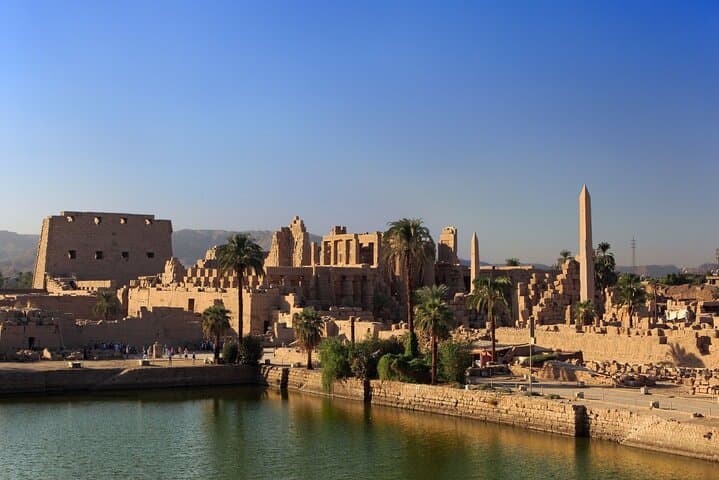
This full-day itinerary threads the most important sites of Thebes — the Valley of the Kings, Hatshepsut’s Deir el-Bahari, the Colossi of Memnon, Karnak and Luxor Temples — into a single, historian-guided narrative. Geology is visible in the cliffs of the west bank, where limestone and mudstone were read like maps for tomb builders; the narrow valley provided both shelter and cool, dry rock ideal for elaborately painted burial chambers.
Cultural context is constant: these monuments reflect state religion, pharaonic funerary practice and the Nile’s role in agriculture and ritual. Between sites the tour pauses for a felucca glide, the river daring travelers to slow down and watch river life unfold.
Practical notes: expect a long day (about 13 hours including transfers), uneven surfaces and stepped tomb entries. Wear sturdy shoes, sun protection and bring a refillable water bottle — the guide handles all admissions but bring cash for tips and small purchases. Timing matters: mornings are cooler for the Valley of the Kings; late afternoon light suits Karnak’s columns. For visitors who want depth, ask the Egyptologist to focus on architecture, religious symbolism or the ongoing conservation challenges that keep these sites open to the world.
moderate.
13 hours (approx.).
Suitable for travelers who can walk several hours on uneven surfaces and climb short stairways; not strenuous but long.
Yes — the tour includes pick-up and return transfer from Safaga Port in a private air‑conditioned vehicle.
The tour description states all entry tickets are included; confirm any optional extras (e.g., special tombs) with the operator on booking.
The tour is listed as physically easy overall, but many sites have steps and uneven ground; visitors with limited mobility should check specific site access and request assistance in advance.
Lunch at a local Egyptian restaurant is included and the operator can accommodate common dietary restrictions if notified ahead of time.
Luxor sits on the site of ancient Thebes, once Egypt’s political and religious capital; many New Kingdom pharaohs built their mortuary temples and tombs here.
High visitor numbers stress fragile tomb paintings and archaeological conservation is ongoing; follow guide instructions, avoid touching surfaces and support local conservation-friendly operators.
Egypt Private Trips operates guided outdoor trips and adventures with an emphasis on safety, stewardship, and memorable experiences.
Morning light flattens the desert as a private minivan slips away from Safaga Port, tires whispering on sunbaked asphalt toward the Nile’s ribbon of green. By late morning the city of Luxor rises from the horizon: sandstone temples, crenellated pylons and the slow, insistent current of the river that once powered an empire.
Morning light flattens the desert as a private minivan slips away from Safaga Port, tires whispering on sunbaked asphalt toward the Nile’s ribbon of green. By late morning the city of Luxor rises from the horizon: sandstone temples, crenellated pylons and the slow, insistent current of the river that once powered an empire.
This full-day itinerary threads the most important sites of Thebes — the Valley of the Kings, Hatshepsut’s Deir el-Bahari, the Colossi of Memnon, Karnak and Luxor Temples — into a single, historian-guided narrative. Geology is visible in the cliffs of the west bank, where limestone and mudstone were read like maps for tomb builders; the narrow valley provided both shelter and cool, dry rock ideal for elaborately painted burial chambers.
Cultural context is constant: these monuments reflect state religion, pharaonic funerary practice and the Nile’s role in agriculture and ritual. Between sites the tour pauses for a felucca glide, the river daring travelers to slow down and watch river life unfold.
Practical notes: expect a long day (about 13 hours including transfers), uneven surfaces and stepped tomb entries. Wear sturdy shoes, sun protection and bring a refillable water bottle — the guide handles all admissions but bring cash for tips and small purchases. Timing matters: mornings are cooler for the Valley of the Kings; late afternoon light suits Karnak’s columns. For visitors who want depth, ask the Egyptologist to focus on architecture, religious symbolism or the ongoing conservation challenges that keep these sites open to the world.