THE ADVENTURE COLLECTIVE® · Independent discovery and booking for outdoor travel

Spend a long day from Osaka visiting Katsuo-ji’s daruma-lined temple, the 33‑meter Minoo Waterfall, Arashiyama’s towering bamboo corridor, and Todai-ji with its towering Great Buddha. This guided loop pairs gentle walks with major cultural sites—ideal for travelers who want nature and history in one day.
Spend a long day from Osaka visiting Katsuo-ji’s daruma-lined temple, the 33‑meter Minoo Waterfall, Arashiyama’s towering bamboo corridor, and Todai-ji with its towering Great Buddha. This guided loop pairs gentle walks with major cultural sites—ideal for travelers who want nature and history in one day.
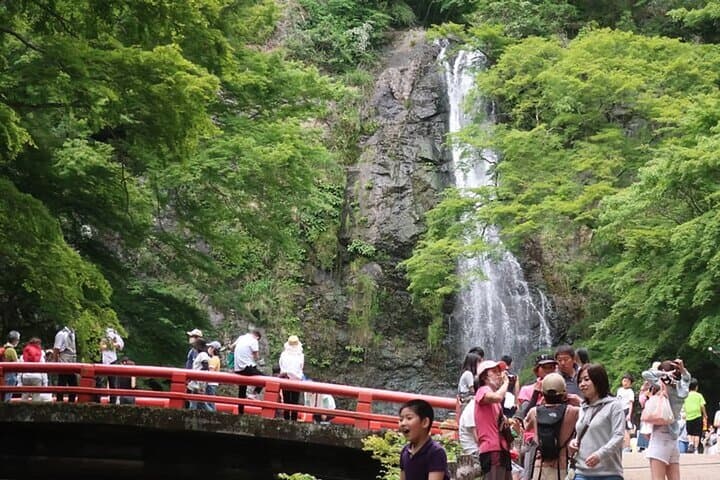
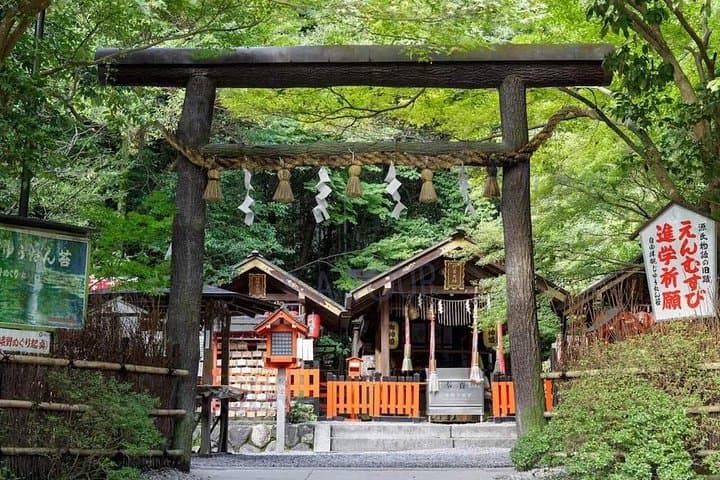
A morning bus eases out of Osaka and the city noise thins into cedar-scented air as the tour threads north to Katsuo-ji. Stone steps and a courtyard lined with daruma dolls set a purposeful, almost playful mood; worshippers leave painted wishes that have accumulated here for centuries. Later, a forest trail leads to Minoo Waterfall where a 33‑meter drop punctuates the canopy with a steady roar and the path hums with cicadas or winter hush, depending on season.
Verified experiences and guided adventures in the surrounding area.
Operated by TrevoTour Travels · Osaka, Osaka Prefecture
A morning bus eases out of Osaka and the city noise thins into cedar-scented air as the tour threads north to Katsuo-ji. Stone steps and a courtyard lined with daruma dolls set a purposeful, almost playful mood; worshippers leave painted wishes that have accumulated here for centuries. Later, a forest trail leads to Minoo Waterfall where a 33‑meter drop punctuates the canopy with a steady roar and the path hums with cicadas or winter hush, depending on season.
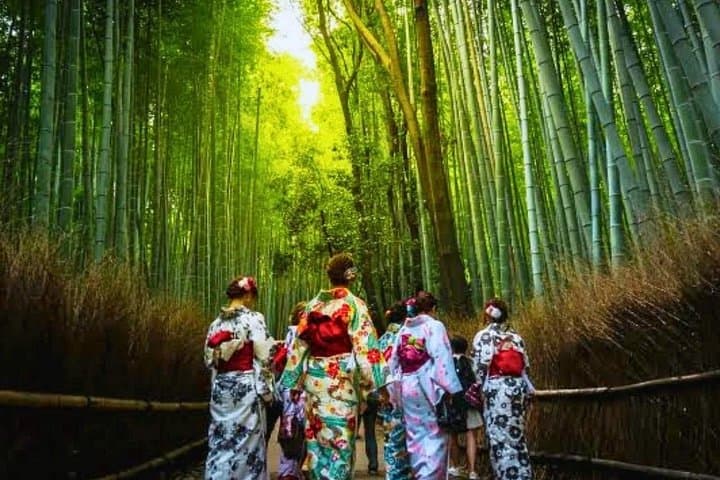
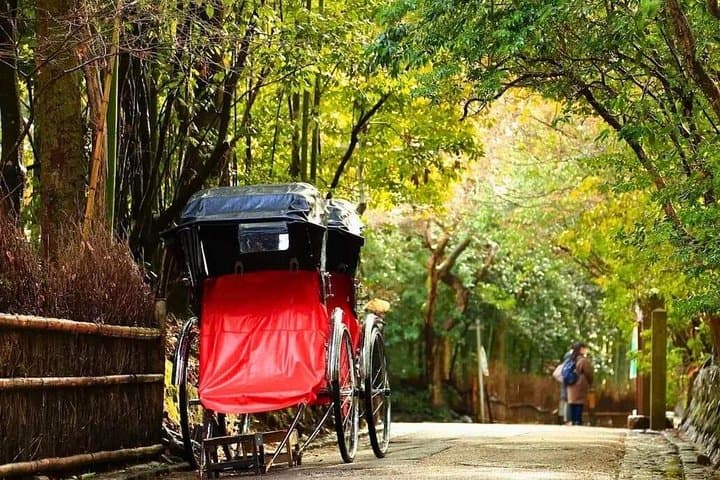
From Minoo the route swings west into Kyoto’s Arashiyama where a straight corridor of bamboo stalks channels wind into a soft, constant susurration. The area’s terraces and the nearby Hozu River speak to river-carved terraces and centuries of human use—boatmen once ran timber rafts here. The final stretch into Nara Park places visitors before Todai-ji’s Daibutsu, a 15‑meter bronze Buddha inside one of the world’s largest wooden halls, with sika deer roaming the lawns as informal hosts.
Practical guidance: the full loop is a long day—expect 9–10 hours with several short walks (Minoo’s trail is roughly 3 km round trip, mostly compact dirt and stone). Comfortable walking shoes, a light waterproof layer, and cash for shrine offerings and small vendors will make the day smoother. Aim for early departures to beat the crowds at Arashiyama and Todai-ji; keep respectful distance from deer and follow guide instructions. This itinerary blends short hikes, cultural sites, and urban transit into one compact day that highlights Japan’s natural and historical contrasts.
easy.
9–10 hours.
Suitable for people who can walk 2–4 miles over the course of a day with short stair sections; minimal elevation but extended time on your feet.
The trail to Minoo Waterfall is roughly 3 km round trip on a maintained forest path and takes about 45–60 minutes at a relaxed pace.
Admission to Katsuo-ji is included per the itinerary; other sites like Tenryu-ji or boat rides in Arashiyama are optional and typically cost extra.
The operator notes stroller accessibility for infants, but expect stairs and some standing; infants must sit on laps for transport.
Feeding deer is discouraged unless buying approved deer crackers sold by vendors; always follow the guide’s safety instructions.
Nara was Japan’s first permanent capital (710–794); Todai‑ji and its Daibutsu reflect Nara’s 8th‑century role as a political and religious center. Katsuo‑ji traces links to the Koyasan Shingon school and is known for daruma offerings.
Arashiyama and Minoo receive heavy visitor traffic—stay on paths, avoid trampling understory plants, and follow local rules on deer interactions to reduce human impact.
TrevoTour Travels operates guided outdoor trips and adventures with an emphasis on safety, stewardship, and memorable experiences.
A morning bus eases out of Osaka and the city noise thins into cedar-scented air as the tour threads north to Katsuo-ji. Stone steps and a courtyard lined with daruma dolls set a purposeful, almost playful mood; worshippers leave painted wishes that have accumulated here for centuries. Later, a forest trail leads to Minoo Waterfall where a 33‑meter drop punctuates the canopy with a steady roar and the path hums with cicadas or winter hush, depending on season.
A morning bus eases out of Osaka and the city noise thins into cedar-scented air as the tour threads north to Katsuo-ji. Stone steps and a courtyard lined with daruma dolls set a purposeful, almost playful mood; worshippers leave painted wishes that have accumulated here for centuries. Later, a forest trail leads to Minoo Waterfall where a 33‑meter drop punctuates the canopy with a steady roar and the path hums with cicadas or winter hush, depending on season.
From Minoo the route swings west into Kyoto’s Arashiyama where a straight corridor of bamboo stalks channels wind into a soft, constant susurration. The area’s terraces and the nearby Hozu River speak to river-carved terraces and centuries of human use—boatmen once ran timber rafts here. The final stretch into Nara Park places visitors before Todai-ji’s Daibutsu, a 15‑meter bronze Buddha inside one of the world’s largest wooden halls, with sika deer roaming the lawns as informal hosts.
Practical guidance: the full loop is a long day—expect 9–10 hours with several short walks (Minoo’s trail is roughly 3 km round trip, mostly compact dirt and stone). Comfortable walking shoes, a light waterproof layer, and cash for shrine offerings and small vendors will make the day smoother. Aim for early departures to beat the crowds at Arashiyama and Todai-ji; keep respectful distance from deer and follow guide instructions. This itinerary blends short hikes, cultural sites, and urban transit into one compact day that highlights Japan’s natural and historical contrasts.