THE ADVENTURE COLLECTIVE® · Independent discovery and booking for outdoor travel

Spend a day south of Beirut visiting Sidon’s sea castle and soap museum, the Marian shrine at Maghdoucheh, and Tyre’s dramatic Roman ruins. This small-group tour mixes living souks, coastal views, and layered archaeology with hotel pickup and an English-speaking guide.
Spend a day south of Beirut visiting Sidon’s sea castle and soap museum, the Marian shrine at Maghdoucheh, and Tyre’s dramatic Roman ruins. This small-group tour mixes living souks, coastal views, and layered archaeology with hotel pickup and an English-speaking guide.
You roll out of Beirut before the city heats up and drive south along the coastline, the Mediterranean at your right like a long, cool promise daring you to look beyond the highway. Within an hour the concrete gives way to fishing boats, stone souks and crenellated walls: Sidon’s Sea Castle rises from shallow surf where Crusaders once stood watch.
Verified experiences and guided adventures in the surrounding area.
Operated by Lebanon Local Tour · Beirut, Beirut Governorate
You roll out of Beirut before the city heats up and drive south along the coastline, the Mediterranean at your right like a long, cool promise daring you to look beyond the highway. Within an hour the concrete gives way to fishing boats, stone souks and crenellated walls: Sidon’s Sea Castle rises from shallow surf where Crusaders once stood watch.
This single-day loop threads together layers of history — Phoenician trade posts that date back to the 3rd millennium BCE, Crusader fortifications, Ottoman khans and Roman civic works. Sidon’s vaulted souk and a restored soap factory reveal living craft traditions: olive-oil soap pressing, hammam culture and narrow alleys where craftsmen still hammer brass and shape glass.
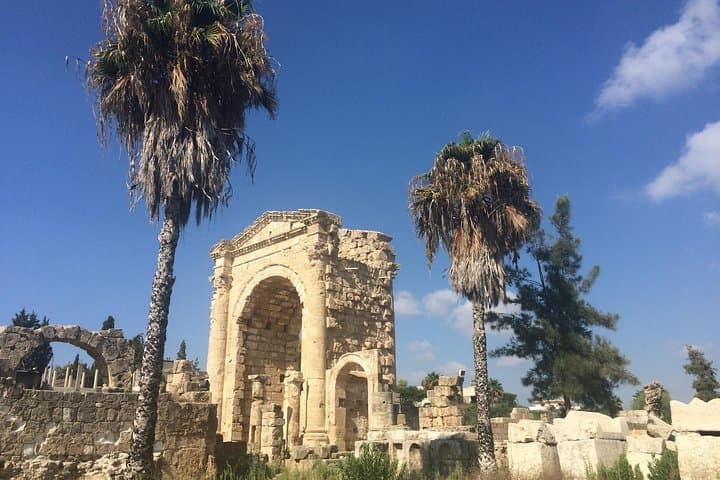
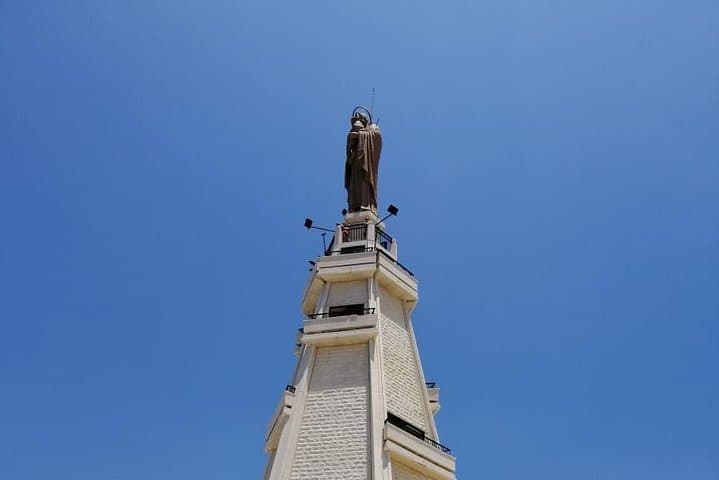
A few miles inland, Maghdoucheh’s shrine and its cave anchor local Christian devotion; a tower-topped statue watches over salt-flat light and fishing villages. Then Tyre unfolds, an ancient island-turned-peninsula whose Roman hippodrome, arch and colonnaded roads speak to its role as a Mediterranean powerhouse.
Expect flat to gently uneven walking on cobbles and archaeological ruins, short climbs through market alleys, and long stretches standing in sunshine. Practicalities: bring sun protection, sturdy shoes, and a reusable water bottle; guides typically handle logistics and pickup from Beirut hotels.
This is a day for steady curiosity rather than endurance: history in layers, seafront air that pushes you forward, and cultural scenes that reward relaxed exploration. Time your visit for morning or late afternoon light to avoid the midday glare and to get the best photos of carved stone and open water.
moderate.
9 hours.
Suitable for people who can walk 1–3 miles across uneven surfaces and stand for short guided explanations; not strenuous.
The tour offers hotel pickup and drop-off in Beirut; exact pickup time is provided at booking (typically early morning).
Some stops include guided time at sites but admission fees to specific museums or ruins may not be included—confirm at booking or carry small cash or card for entry fees.
Yes—infants and small children can use strollers and infant seats are available, but expect uneven ground at archaeological sites.
Within the tour schedule guides can adjust pacing and time at sites, but major changes may not be possible due to timing and logistics.
Sidon and Tyre were major Phoenician city-states influential in Mediterranean trade and colonization, later layered with Hellenistic, Roman and Crusader architecture.
Coastal development and tourism pressure threaten fragile archaeological layers and marine habitats—stick to marked paths, avoid removing artifacts and support local conservation-minded vendors.
Lebanon Local Tour operates guided outdoor trips and adventures with an emphasis on safety, stewardship, and memorable experiences.
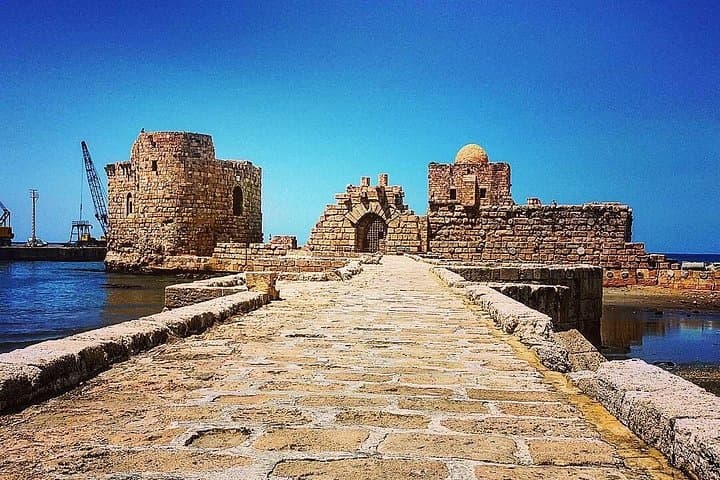
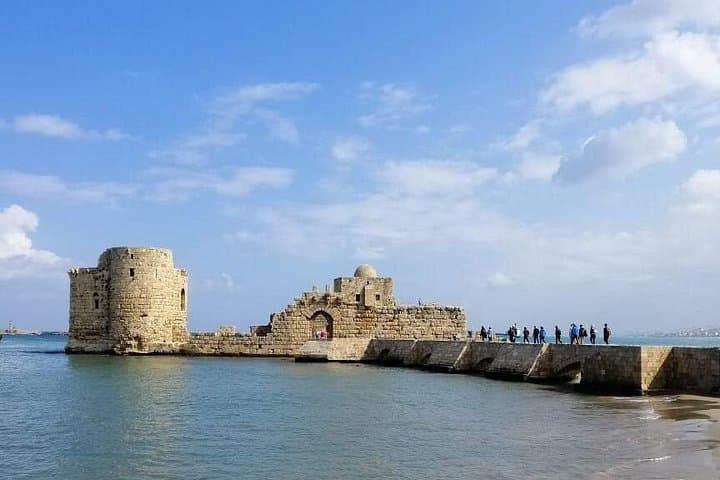
You roll out of Beirut before the city heats up and drive south along the coastline, the Mediterranean at your right like a long, cool promise daring you to look beyond the highway. Within an hour the concrete gives way to fishing boats, stone souks and crenellated walls: Sidon’s Sea Castle rises from shallow surf where Crusaders once stood watch.
You roll out of Beirut before the city heats up and drive south along the coastline, the Mediterranean at your right like a long, cool promise daring you to look beyond the highway. Within an hour the concrete gives way to fishing boats, stone souks and crenellated walls: Sidon’s Sea Castle rises from shallow surf where Crusaders once stood watch.
This single-day loop threads together layers of history — Phoenician trade posts that date back to the 3rd millennium BCE, Crusader fortifications, Ottoman khans and Roman civic works. Sidon’s vaulted souk and a restored soap factory reveal living craft traditions: olive-oil soap pressing, hammam culture and narrow alleys where craftsmen still hammer brass and shape glass.
A few miles inland, Maghdoucheh’s shrine and its cave anchor local Christian devotion; a tower-topped statue watches over salt-flat light and fishing villages. Then Tyre unfolds, an ancient island-turned-peninsula whose Roman hippodrome, arch and colonnaded roads speak to its role as a Mediterranean powerhouse.
Expect flat to gently uneven walking on cobbles and archaeological ruins, short climbs through market alleys, and long stretches standing in sunshine. Practicalities: bring sun protection, sturdy shoes, and a reusable water bottle; guides typically handle logistics and pickup from Beirut hotels.
This is a day for steady curiosity rather than endurance: history in layers, seafront air that pushes you forward, and cultural scenes that reward relaxed exploration. Time your visit for morning or late afternoon light to avoid the midday glare and to get the best photos of carved stone and open water.