THE ADVENTURE COLLECTIVE® · Independent discovery and booking for outdoor travel

Explore Roman theaters, coastal temples and a cooling waterfall on a single, well-paced day from Antalya. This guided loop pairs impressive ruins with a riverside respite—ideal for history-minded travelers who want one full day of varied scenery.
Explore Roman theaters, coastal temples and a cooling waterfall on a single, well-paced day from Antalya. This guided loop pairs impressive ruins with a riverside respite—ideal for history-minded travelers who want one full day of varied scenery.
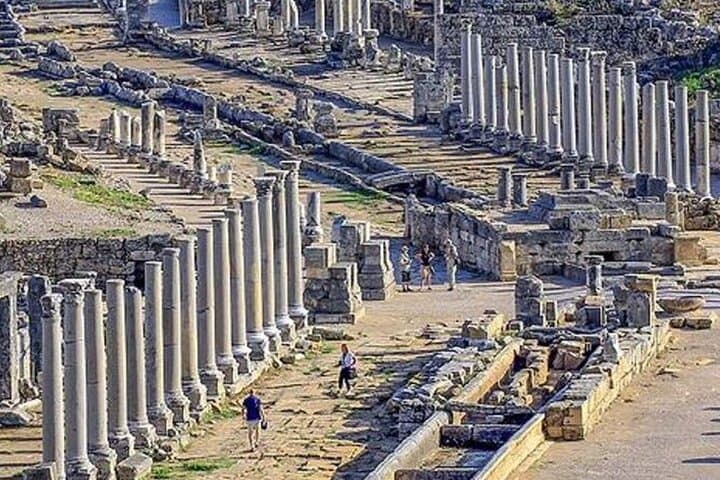
You step from the minivan into a sunlit ruin where columns throw long, geometric shadows across dusty stones. The first breath tastes like sea and history—salt from the nearby Mediterranean and the dry dust of ancient streets. Perge’s colonnaded avenue unfolds underfoot, and later Aspendos’ stone tiers seem to hold sound itself, waiting to test a whisper.
Verified experiences and guided adventures in the surrounding area.
Operated by TREVOPEDIA · Antalya, Antalya Province
You step from the minivan into a sunlit ruin where columns throw long, geometric shadows across dusty stones. The first breath tastes like sea and history—salt from the nearby Mediterranean and the dry dust of ancient streets. Perge’s colonnaded avenue unfolds underfoot, and later Aspendos’ stone tiers seem to hold sound itself, waiting to test a whisper.
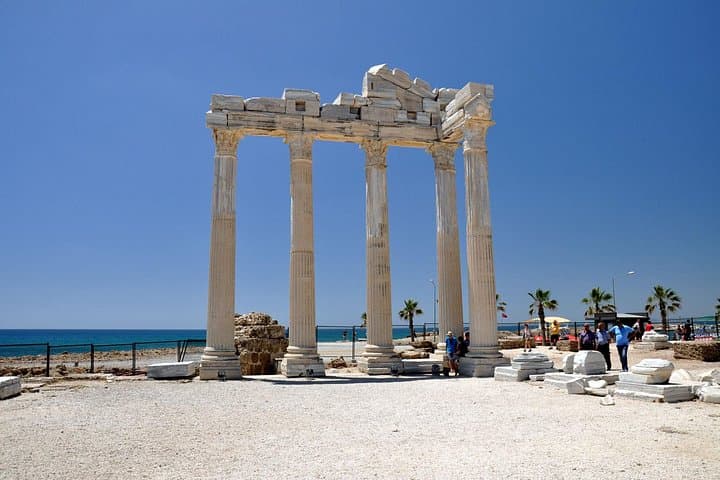
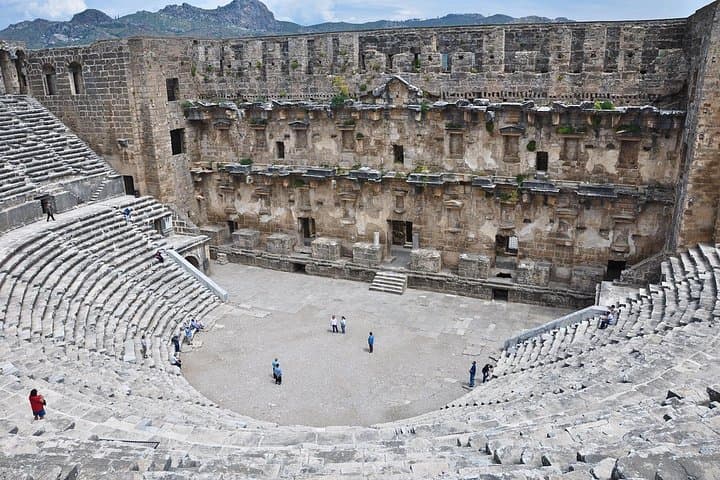
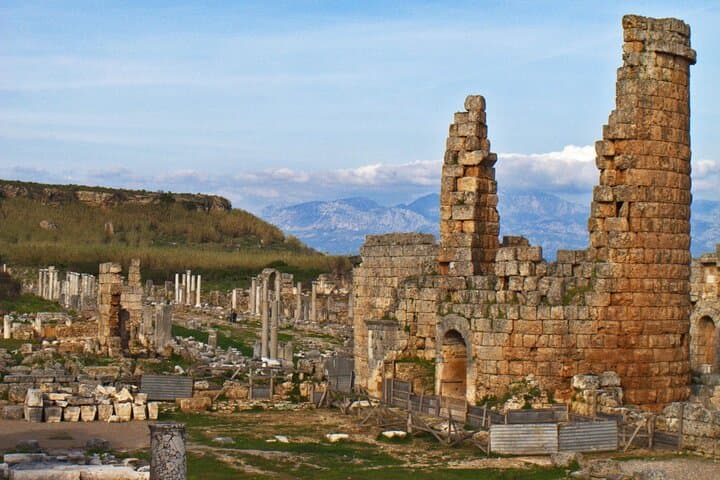
This full-day loop threads together Roman engineering, Hellenistic foundations and riverine green. Perge was a Pamphylian hub with baths, a stadium and gates that mapped civic life; Aspendos, built in the 2nd century CE, showcases Roman acoustics and monumental masonry still used for performances today. Side’s Temple of Apollo perches at the shoreline, its remaining Corinthian columns framing sunset light. Manavgat Falls, low but broad, pushes mist into the air and cools the route—its river has shaped local agriculture and towns for millennia.
Expect a mix of paved archaeological paths, compacted dirt, short climbs and flat promenades. Guides usually handle logistics and entrance notes; transport is provided from Antalya. Practical rhythm: arrive early at ruins to avoid mid-day heat, carry water and a hat, and allow time at riverside cafes for a slow break. Photography windows open at golden hour on Side and at dusk in Aspendos when the stone takes on warm color.
Plan comfortable shoes, sun protection and small change for local vendors. The day is less a technical trek than a paced cultural hike—history to walk through, and a river that dares you to pause and listen.
easy.
8–9 hours.
Suitable for most travelers who can walk 1–3 miles over uneven ground and climb short stair sections.
Most tours include transport and a guide but not individual archaeological site entrance fees; confirm at booking.
The itinerary is family-friendly and marked wheelchair accessible in many areas, but some ruins have uneven terrain—check accessibility details for each stop.
Swimming directly at the falls is not recommended due to currents; nearby river sections and licensed operators offer safer water activities.
Yes—guides typically schedule short breaks at cafes by the falls and time at Side for photos, but carry snacks if you prefer.
The route traces Pamphylian, Hellenistic and Roman layers—Perge and Aspendos flourished under Rome in the 1st–3rd centuries CE and served as regional cultural centers.
Sites are protected archaeological areas—stick to marked paths, avoid climbing fragile ruins and support local vendors to benefit the community.
TREVOPEDIA operates guided outdoor trips and adventures with an emphasis on safety, stewardship, and memorable experiences.
You step from the minivan into a sunlit ruin where columns throw long, geometric shadows across dusty stones. The first breath tastes like sea and history—salt from the nearby Mediterranean and the dry dust of ancient streets. Perge’s colonnaded avenue unfolds underfoot, and later Aspendos’ stone tiers seem to hold sound itself, waiting to test a whisper.
You step from the minivan into a sunlit ruin where columns throw long, geometric shadows across dusty stones. The first breath tastes like sea and history—salt from the nearby Mediterranean and the dry dust of ancient streets. Perge’s colonnaded avenue unfolds underfoot, and later Aspendos’ stone tiers seem to hold sound itself, waiting to test a whisper.
This full-day loop threads together Roman engineering, Hellenistic foundations and riverine green. Perge was a Pamphylian hub with baths, a stadium and gates that mapped civic life; Aspendos, built in the 2nd century CE, showcases Roman acoustics and monumental masonry still used for performances today. Side’s Temple of Apollo perches at the shoreline, its remaining Corinthian columns framing sunset light. Manavgat Falls, low but broad, pushes mist into the air and cools the route—its river has shaped local agriculture and towns for millennia.
Expect a mix of paved archaeological paths, compacted dirt, short climbs and flat promenades. Guides usually handle logistics and entrance notes; transport is provided from Antalya. Practical rhythm: arrive early at ruins to avoid mid-day heat, carry water and a hat, and allow time at riverside cafes for a slow break. Photography windows open at golden hour on Side and at dusk in Aspendos when the stone takes on warm color.
Plan comfortable shoes, sun protection and small change for local vendors. The day is less a technical trek than a paced cultural hike—history to walk through, and a river that dares you to pause and listen.