THE ADVENTURE COLLECTIVE® · Independent discovery and booking for outdoor travel

Walk Moshi’s markets, visit working coffee farms and stand beneath Kilimanjaro’s watching summit on a compact three-hour tour. This guided loop pairs cultural insights with practical stops—perfect for travelers wanting a local, low-impact introduction to the Kilimanjaro foothills.
Walk Moshi’s markets, visit working coffee farms and stand beneath Kilimanjaro’s watching summit on a compact three-hour tour. This guided loop pairs cultural insights with practical stops—perfect for travelers wanting a local, low-impact introduction to the Kilimanjaro foothills.
You arrive into Moshi as the low sun drags sharp light across the Kilimanjaro foothills; the mountain’s flank watches the town like a steady, snow-capped neighbor. Streets hum with motorbikes, market vendors call out produce, and the scent of roasted coffee follows you down alleys toward small farms that feed the town’s auction rooms.
Verified experiences and guided adventures in the surrounding area.
Operated by Twende Africa Tours · Moshi, Kilimanjaro Region
You arrive into Moshi as the low sun drags sharp light across the Kilimanjaro foothills; the mountain’s flank watches the town like a steady, snow-capped neighbor. Streets hum with motorbikes, market vendors call out produce, and the scent of roasted coffee follows you down alleys toward small farms that feed the town’s auction rooms.
Moshi sits on the southern edge of Mount Kilimanjaro’s influence—geology here is dominated by volcanic soils washed down from the massif, creating fertile land that made coffee a local industry under German and British colonial eras. The Old Railway Station recalls that period, while villages like Marangu and Materuni preserve Chagga cultural ties to terraced farms and coffee ceremonies. Forest patches on the mountain’s lower slopes host blue monkeys and forest birds; higher up, the mountain’s glaciers remind visitors of changing climates.
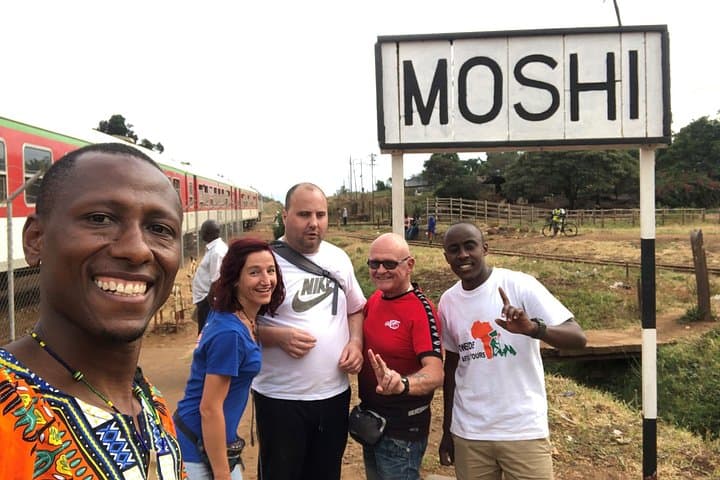
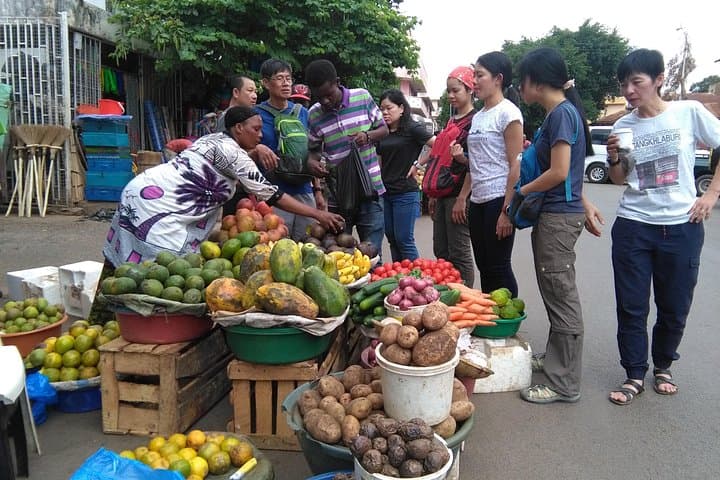
A three-hour guided loop through Moshi blends markets, a stop at a coffee farm or cooperative, a town-walk past colonial architecture, and a quick visit to the historical railway site. Expect mostly paved and compacted paths with short stretches of uneven village trails and stairs. The guide will navigate bargaining at the farmer market, explain coffee processing, and point out local food stalls for samosas or mishkaki.
Practical guidance: start mid-morning to avoid heat and early-afternoon rains, carry water, wear closed-toe shoes for uneven lanes, and bring small local currency for purchases. This tour is ideal for travelers who want cultural context and a gentle taste of the Kilimanjaro foothills without summiting—an accessible, sensory introduction to the region’s landscape and livelihoods.
moderate.
3 hours.
Suitable for travelers with moderate fitness—comfortable walking for several kilometers and uphill village steps.
The standard tour lasts about three hours and covers markets, a coffee farm visit, town sights, and the old railway station.
Yes for most, but clients should have moderate mobility; the operator advises against booking for those with serious back issues or pregnant travelers.
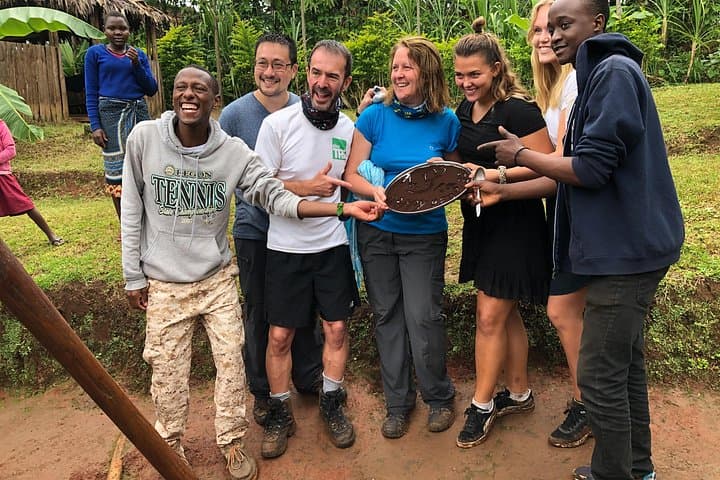
Yes—most itineraries include a demonstration of coffee processing and a tasting at a local farm or cooperative.
Yes—bring Tanzanian shillings for market purchases, food stalls, and small souvenirs; cards are not widely accepted in small vendors.
Moshi grew as a Chagga agricultural center and later a colonial transport node; the old railway and coffee auctions reflect German and British-era economic layers.
Kilimanjaro’s glaciers and montane forests are shrinking; support local guides and coffee cooperatives that invest in reforestation and sustainable farming practices.
Twende Africa Tours operates guided outdoor trips and adventures with an emphasis on safety, stewardship, and memorable experiences.
You arrive into Moshi as the low sun drags sharp light across the Kilimanjaro foothills; the mountain’s flank watches the town like a steady, snow-capped neighbor. Streets hum with motorbikes, market vendors call out produce, and the scent of roasted coffee follows you down alleys toward small farms that feed the town’s auction rooms.
You arrive into Moshi as the low sun drags sharp light across the Kilimanjaro foothills; the mountain’s flank watches the town like a steady, snow-capped neighbor. Streets hum with motorbikes, market vendors call out produce, and the scent of roasted coffee follows you down alleys toward small farms that feed the town’s auction rooms.
Moshi sits on the southern edge of Mount Kilimanjaro’s influence—geology here is dominated by volcanic soils washed down from the massif, creating fertile land that made coffee a local industry under German and British colonial eras. The Old Railway Station recalls that period, while villages like Marangu and Materuni preserve Chagga cultural ties to terraced farms and coffee ceremonies. Forest patches on the mountain’s lower slopes host blue monkeys and forest birds; higher up, the mountain’s glaciers remind visitors of changing climates.
A three-hour guided loop through Moshi blends markets, a stop at a coffee farm or cooperative, a town-walk past colonial architecture, and a quick visit to the historical railway site. Expect mostly paved and compacted paths with short stretches of uneven village trails and stairs. The guide will navigate bargaining at the farmer market, explain coffee processing, and point out local food stalls for samosas or mishkaki.
Practical guidance: start mid-morning to avoid heat and early-afternoon rains, carry water, wear closed-toe shoes for uneven lanes, and bring small local currency for purchases. This tour is ideal for travelers who want cultural context and a gentle taste of the Kilimanjaro foothills without summiting—an accessible, sensory introduction to the region’s landscape and livelihoods.