THE ADVENTURE COLLECTIVE® · Independent discovery and booking for outdoor travel

Spend a full day in Ol Pejeta Conservancy tracking black and white rhinos, visiting a chimpanzee sanctuary, and taking in unobstructed views of Mt. Kenya. This guided private tour mixes conservation-focused encounters with traditional game drive wildlife viewing.
Spend a full day in Ol Pejeta Conservancy tracking black and white rhinos, visiting a chimpanzee sanctuary, and taking in unobstructed views of Mt. Kenya. This guided private tour mixes conservation-focused encounters with traditional game drive wildlife viewing.
Morning light on the savanna strips across the windshield as the road from Nanyuki climbs toward Ol Pejeta — Mt. Kenya’s glaciated shoulders standing cold and blue on the horizon. You arrive to low, rolling grassland threaded by dry riverbeds, the wide plains broken by a scatter of acacia and the occasional silhouette of giraffe. The air smells faintly of dust and bush smoke; rangers walk with a quiet authority and binoculars ready.
Verified experiences and guided adventures in the surrounding area.
Operated by Safari Port · Nanyuki, Laikipia County
Morning light on the savanna strips across the windshield as the road from Nanyuki climbs toward Ol Pejeta — Mt. Kenya’s glaciated shoulders standing cold and blue on the horizon. You arrive to low, rolling grassland threaded by dry riverbeds, the wide plains broken by a scatter of acacia and the occasional silhouette of giraffe. The air smells faintly of dust and bush smoke; rangers walk with a quiet authority and binoculars ready.
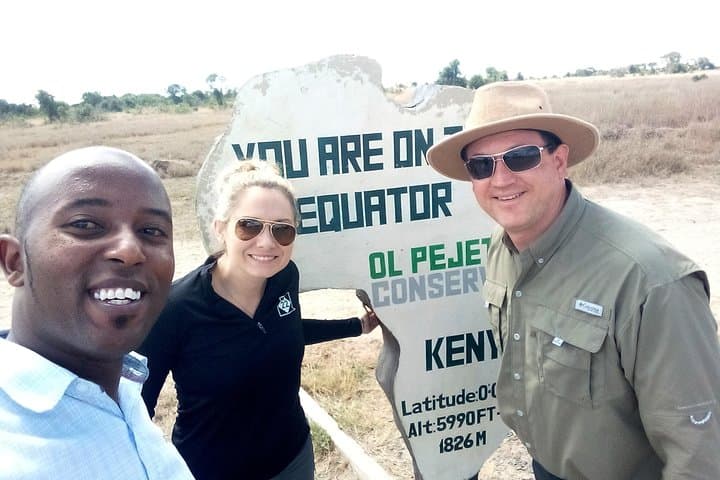
Ol Pejeta sits on roughly 90,000 acres on the Laikipia plateau, a modern conservancy carved from ranchland with a clear conservation mission: protect rhinos and maintain working-landscape wildlife habitat. Geologically the region is an uplifted plain at the foot of Mount Kenya, where volcanic soils and seasonal rivers shape the grassland ecology. Culturally the area is a meeting point of pastoralist Laikipia communities and wildlife conservationists; stops in Nanyuki or at the equator reveal local coffee culture and roadside craft stalls.
Practically, a day trip here moves at safari rhythm: short game drives, a chimpanzee sanctuary visit, a close but controlled drive-by at the White Rhino sanctuary, and time for a lunch break at the main rest house. Expect dusty tracks, moderate vehicle bouncing, and early starts to catch feeding animals. Bring layered clothing for sharp morning chill and hot midday sun, a good camera with a long lens, binoculars, and cash for local purchases.
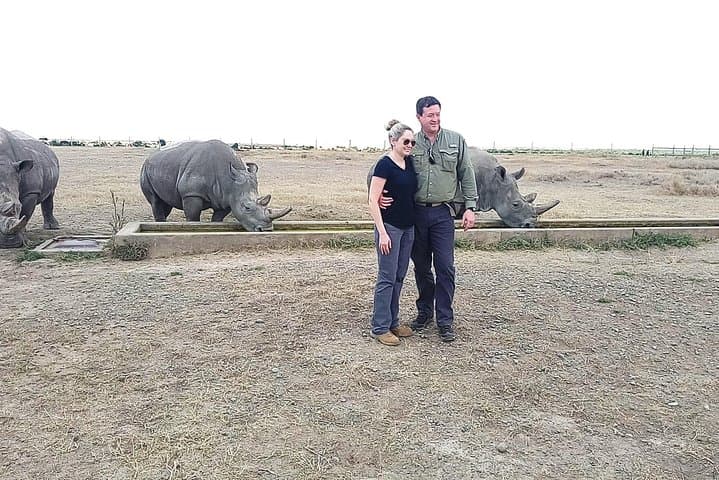
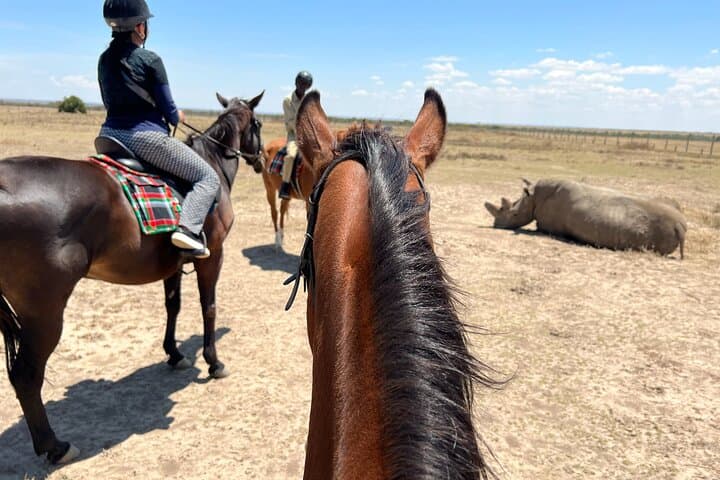
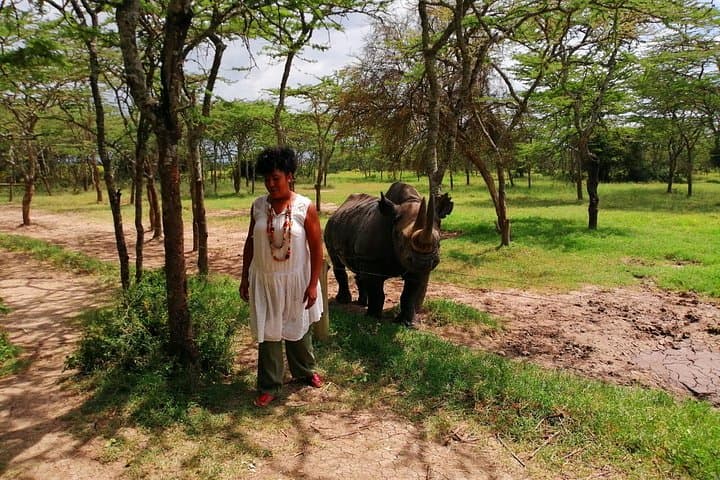
On a guided drive you’ll likely see elephants, both black and white rhinos, zebras, giraffes, and oxpecker-scattered buffalo. Rangers prioritize safety and animal welfare; keep distance, follow instructions, and the conservancy’s guided access delivers exceptional close encounters without compromising conservation goals.
easy.
8–10 hours.
Suitable for most fitness levels; involves short periods of vehicle sit-down and light walking at rest points
The full-day tour runs about 8–10 hours, including transit from Nanyuki, sanctuary visits, a game drive, and a lunch break.
Yes — Ol Pejeta is home to black and white rhinos and a chimpanzee sanctuary; sightings are common but never guaranteed due to animal movement.
Yes — the trip is suitable for most ages; children should follow ranger guidance and remain supervised during vehicle stops.
Carry Kenyan shillings for small purchases and tipping; some local vendors may not accept cards.
Ol Pejeta is a former ranch transformed into a private conservancy that became internationally important for rhino protection and community-based conservation.
The conservancy runs active anti-poaching patrols and community programs; visitors support revenue-based conservation that funds rangers and habitat management.
Safari Port operates guided outdoor trips and adventures with an emphasis on safety, stewardship, and memorable experiences.
Morning light on the savanna strips across the windshield as the road from Nanyuki climbs toward Ol Pejeta — Mt. Kenya’s glaciated shoulders standing cold and blue on the horizon. You arrive to low, rolling grassland threaded by dry riverbeds, the wide plains broken by a scatter of acacia and the occasional silhouette of giraffe. The air smells faintly of dust and bush smoke; rangers walk with a quiet authority and binoculars ready.
Morning light on the savanna strips across the windshield as the road from Nanyuki climbs toward Ol Pejeta — Mt. Kenya’s glaciated shoulders standing cold and blue on the horizon. You arrive to low, rolling grassland threaded by dry riverbeds, the wide plains broken by a scatter of acacia and the occasional silhouette of giraffe. The air smells faintly of dust and bush smoke; rangers walk with a quiet authority and binoculars ready.
Ol Pejeta sits on roughly 90,000 acres on the Laikipia plateau, a modern conservancy carved from ranchland with a clear conservation mission: protect rhinos and maintain working-landscape wildlife habitat. Geologically the region is an uplifted plain at the foot of Mount Kenya, where volcanic soils and seasonal rivers shape the grassland ecology. Culturally the area is a meeting point of pastoralist Laikipia communities and wildlife conservationists; stops in Nanyuki or at the equator reveal local coffee culture and roadside craft stalls.
Practically, a day trip here moves at safari rhythm: short game drives, a chimpanzee sanctuary visit, a close but controlled drive-by at the White Rhino sanctuary, and time for a lunch break at the main rest house. Expect dusty tracks, moderate vehicle bouncing, and early starts to catch feeding animals. Bring layered clothing for sharp morning chill and hot midday sun, a good camera with a long lens, binoculars, and cash for local purchases.
On a guided drive you’ll likely see elephants, both black and white rhinos, zebras, giraffes, and oxpecker-scattered buffalo. Rangers prioritize safety and animal welfare; keep distance, follow instructions, and the conservancy’s guided access delivers exceptional close encounters without compromising conservation goals.