THE ADVENTURE COLLECTIVE® · Independent discovery and booking for outdoor travel

Swap Dar’s coastline for wide-open plains on a day safari to Mikumi National Park. This practical guide explains what you’ll see, when to go, and how to prepare for a full-day wildlife drive.
Swap Dar’s coastline for wide-open plains on a day safari to Mikumi National Park. This practical guide explains what you’ll see, when to go, and how to prepare for a full-day wildlife drive.
You leave Dar es Salaam before dawn and the city blurs into open plain: acacia silhouettes stretch outward, and the road seems to hand you over to a wilder rhythm.
Verified experiences and guided adventures in the surrounding area.
Operated by Mikumi National Park · Mikumi, Morogoro Region
You leave Dar es Salaam before dawn and the city blurs into open plain: acacia silhouettes stretch outward, and the road seems to hand you over to a wilder rhythm.
Mikumi’s short grasslands and channelled floodplains open like pages, and the afternoon light pulls details forward — a lone elephant moving with deliberate patience, buffalo lowing in a distant thicket, a lion watching over the plain as if testing the wind. The park sits on the northern edge of the Selous ecosystem and is Tanzania’s fourth-largest national park; its geology is a low-rolling basin carved by seasonal rivers and ancient fault lines of the Rift Valley system.
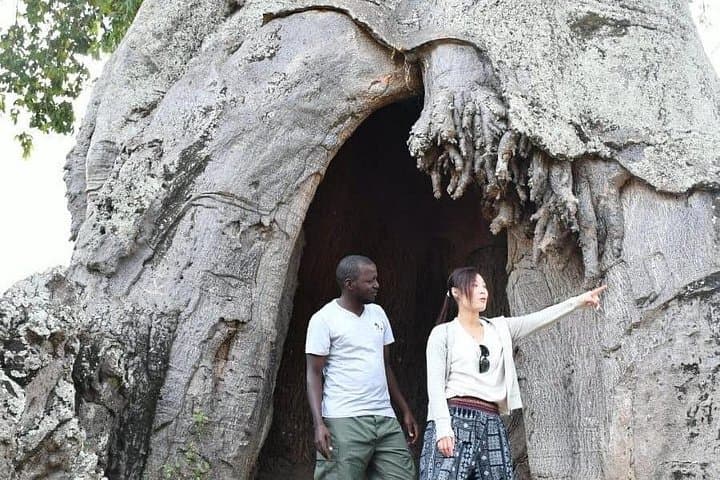
Local villages around the park are rooted in Makonde and Matumbi cultures; markets and roadside stalls offer a practical glimpse of life beyond the park gates. The area’s history is shaped by colonial-era conservation planning and more recent efforts to connect wildlife corridors to the Udzungwa and Uluguru ranges.
On a day trip you’ll spend most time in an air-conditioned vehicle, punctuated by short walks or stops for lunch and photos. Expect bumpy tracks, variable wildlife sightings (guides know the best lines), and long stretches of vehicle time — the drive from Dar is about four hours each way.
Practical guidance: start early, bring binoculars and a long lens, dress in layers for mornings and hot midday sun, carry water and motion-sickness remedies, and follow guide instructions during game drives. Window etiquette and quiet observation improve sightings and protect both you and the animals.
easy.
8–10 hours.
Suitable for most fitness levels; expect long vehicle time with short walks or stops.
Expect roughly four hours each way depending on traffic and road conditions; the tour schedules early pickup and a return by late afternoon.
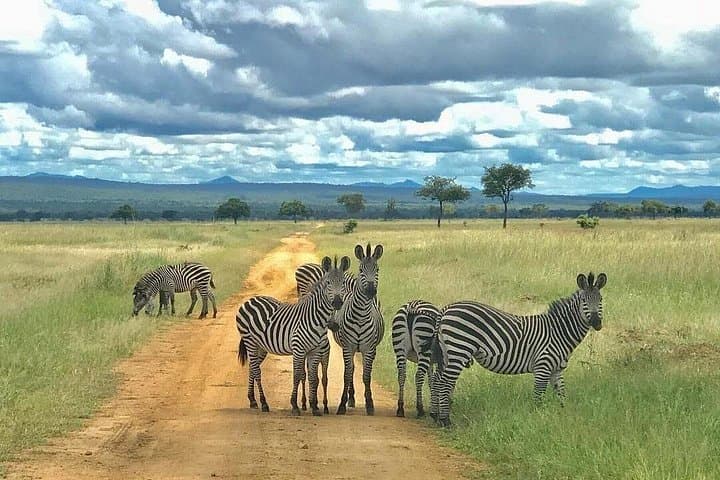
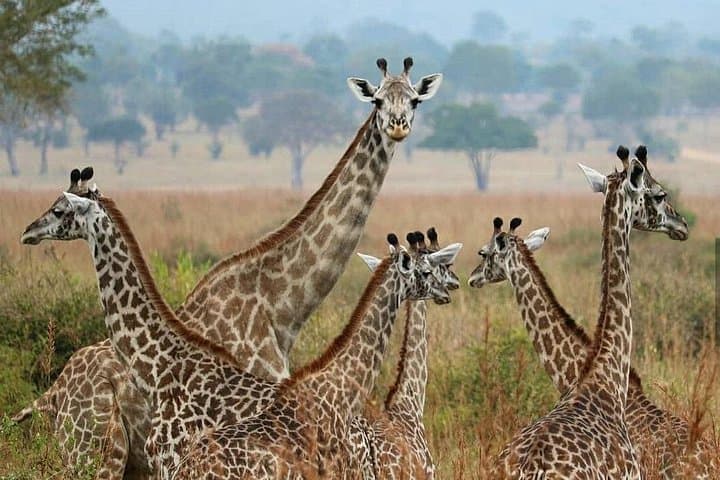
Mikumi has high game density and frequent sightings of elephants, buffalo, giraffe and lions, but wildlife sightings can’t be guaranteed—timing and patience matter.
Yes; bottled water and lunch are included on this day trip, with a daytime stop for a proper meal before the afternoon game drive.
The provider lists wheelchair-accessible options for vehicles and surfaces, but some game-drive vehicles and short walks may be uneven—confirm specific accessibility needs when booking.
Mikumi forms part of the broader Selous ecosystem and was set aside to protect seasonal floodplains and migratory routes; park status boosted safari access from Dar es Salaam.
Conservation here focuses on keeping wildlife corridors open between Mikumi and neighboring ranges and minimizing vehicle impacts; stick to tracks and follow guide directions to reduce disturbance.
Mikumi National Park operates guided outdoor trips and adventures with an emphasis on safety, stewardship, and memorable experiences.
You leave Dar es Salaam before dawn and the city blurs into open plain: acacia silhouettes stretch outward, and the road seems to hand you over to a wilder rhythm.
You leave Dar es Salaam before dawn and the city blurs into open plain: acacia silhouettes stretch outward, and the road seems to hand you over to a wilder rhythm.
Mikumi’s short grasslands and channelled floodplains open like pages, and the afternoon light pulls details forward — a lone elephant moving with deliberate patience, buffalo lowing in a distant thicket, a lion watching over the plain as if testing the wind. The park sits on the northern edge of the Selous ecosystem and is Tanzania’s fourth-largest national park; its geology is a low-rolling basin carved by seasonal rivers and ancient fault lines of the Rift Valley system.
Local villages around the park are rooted in Makonde and Matumbi cultures; markets and roadside stalls offer a practical glimpse of life beyond the park gates. The area’s history is shaped by colonial-era conservation planning and more recent efforts to connect wildlife corridors to the Udzungwa and Uluguru ranges.
On a day trip you’ll spend most time in an air-conditioned vehicle, punctuated by short walks or stops for lunch and photos. Expect bumpy tracks, variable wildlife sightings (guides know the best lines), and long stretches of vehicle time — the drive from Dar is about four hours each way.
Practical guidance: start early, bring binoculars and a long lens, dress in layers for mornings and hot midday sun, carry water and motion-sickness remedies, and follow guide instructions during game drives. Window etiquette and quiet observation improve sightings and protect both you and the animals.