THE ADVENTURE COLLECTIVE® · Independent discovery and booking for outdoor travel

Short on time but craving big-sky wildlife? This 10‑hour round‑trip from Nairobi delivers classic Maasai Mara sightings — think lions, elephants and the seasonal wildebeest spectacle — with a sunrise drive and a Rift Valley photo stop.
Short on time but craving big-sky wildlife? This 10‑hour round‑trip from Nairobi delivers classic Maasai Mara sightings — think lions, elephants and the seasonal wildebeest spectacle — with a sunrise drive and a Rift Valley photo stop.
Before dawn the vehicle pulls out of Nairobi and the highway thins into red soil and savanna. By the time the sun clears the Rift escarpment the Mara’s grasslands have already begun their slow, watchful choreography — wildebeest grazing, acacia silhouettes cutting the sky, and distant elephants moving like deliberate shadows. The day trip compresses this vastness into ten focused hours: a four-hour drive with a Rift Valley photo stop, a morning game drive, a wilderness lunch, then an afternoon run of sightings before the return to the city.
Verified experiences and guided adventures in the surrounding area.
Operated by Safaris By Suzette · Narok, Narok County
Before dawn the vehicle pulls out of Nairobi and the highway thins into red soil and savanna. By the time the sun clears the Rift escarpment the Mara’s grasslands have already begun their slow, watchful choreography — wildebeest grazing, acacia silhouettes cutting the sky, and distant elephants moving like deliberate shadows. The day trip compresses this vastness into ten focused hours: a four-hour drive with a Rift Valley photo stop, a morning game drive, a wilderness lunch, then an afternoon run of sightings before the return to the city.
The Maasai Mara sits at the southern end of Kenya’s Rift Valley, formed by tectonic rifting and sculpted by seasonal rivers. The reserve’s cultural history is inseparable from the Maasai people, pastoralists whose grazing patterns and community conservancies shape how wildlife moves through the landscape. Geology gives the Mara its rolling plains; ecology gives it the migration that defines it.
Expect classic safari rhythms: slow driving, quiet observation, and guide-led spotting. Game drives target lions, leopards, elephants, cheetahs and abundant birdlife; the famous wildebeest migration passes through seasonally (primarily June–October). Roads can be rough and sightings opportunistic — patience and timing matter.
Practical notes: pickups start around 5:00 a.m.; bring layered clothing for cold mornings that warm quickly, a sun hat, sunscreen, and binoculars. Lunch is at your expense at a lodge or picnic. The tour is accessible and suited to most fitness levels but not recommended for pregnant travelers or those with serious back or heart conditions. Respect local customs and wildlife distances to keep both animals and people safe.
easy.
10 hours.
Suitable for most fitness levels; long vehicle travel and intermittent walking during stops
Expect about a 4‑hour drive each way depending on traffic and road conditions, with a scenic stop at the Great Rift Valley.
The migration is seasonal—best sightings occur June–October; outside those months you’ll still see resident wildlife but migration crossings may be absent.
Lunch is not included; the itinerary typically stops at a lodge where you can purchase a meal or bring a packed lunch.
Transportation options note wheelchair accessibility, but terrain within the reserve can limit access to viewpoints—confirm needs when booking.
The Maasai Mara was formally protected in the 1960s; Maasai pastoralist land use and contemporary conservancy agreements continue to shape wildlife movement and local livelihoods.
Community conservancies and anti-poaching patrols are central to conservation here; visitors reduce impact by staying on roads, following guide rules, and supporting local enterprises.
Safaris By Suzette operates guided outdoor trips and adventures with an emphasis on safety, stewardship, and memorable experiences.
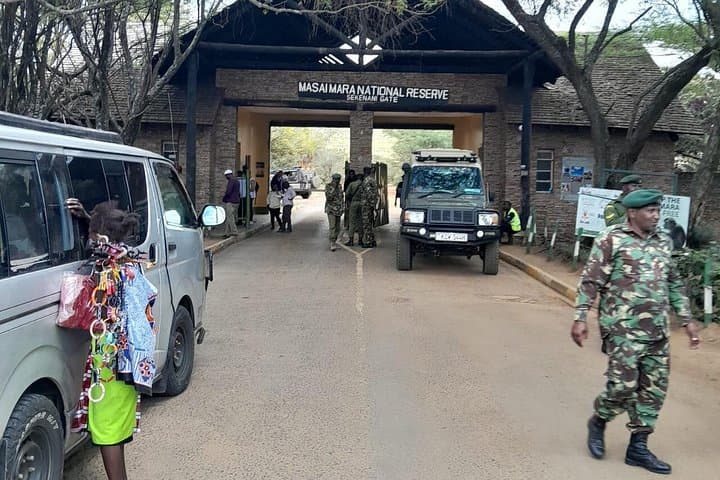

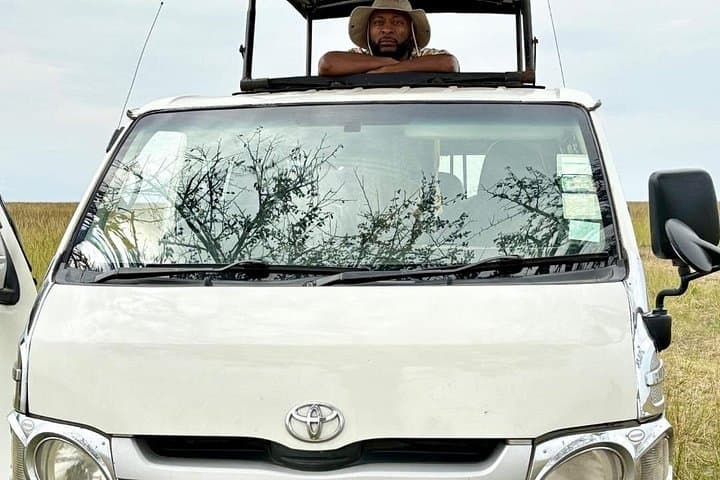
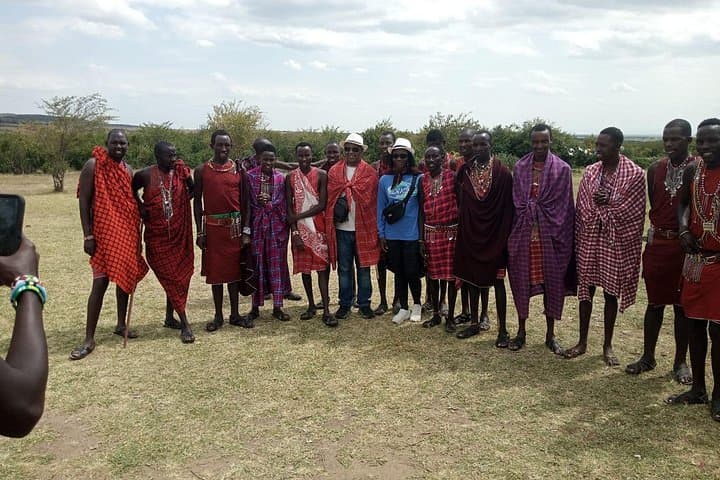
Before dawn the vehicle pulls out of Nairobi and the highway thins into red soil and savanna. By the time the sun clears the Rift escarpment the Mara’s grasslands have already begun their slow, watchful choreography — wildebeest grazing, acacia silhouettes cutting the sky, and distant elephants moving like deliberate shadows. The day trip compresses this vastness into ten focused hours: a four-hour drive with a Rift Valley photo stop, a morning game drive, a wilderness lunch, then an afternoon run of sightings before the return to the city.
Before dawn the vehicle pulls out of Nairobi and the highway thins into red soil and savanna. By the time the sun clears the Rift escarpment the Mara’s grasslands have already begun their slow, watchful choreography — wildebeest grazing, acacia silhouettes cutting the sky, and distant elephants moving like deliberate shadows. The day trip compresses this vastness into ten focused hours: a four-hour drive with a Rift Valley photo stop, a morning game drive, a wilderness lunch, then an afternoon run of sightings before the return to the city.
The Maasai Mara sits at the southern end of Kenya’s Rift Valley, formed by tectonic rifting and sculpted by seasonal rivers. The reserve’s cultural history is inseparable from the Maasai people, pastoralists whose grazing patterns and community conservancies shape how wildlife moves through the landscape. Geology gives the Mara its rolling plains; ecology gives it the migration that defines it.
Expect classic safari rhythms: slow driving, quiet observation, and guide-led spotting. Game drives target lions, leopards, elephants, cheetahs and abundant birdlife; the famous wildebeest migration passes through seasonally (primarily June–October). Roads can be rough and sightings opportunistic — patience and timing matter.
Practical notes: pickups start around 5:00 a.m.; bring layered clothing for cold mornings that warm quickly, a sun hat, sunscreen, and binoculars. Lunch is at your expense at a lodge or picnic. The tour is accessible and suited to most fitness levels but not recommended for pregnant travelers or those with serious back or heart conditions. Respect local customs and wildlife distances to keep both animals and people safe.