THE ADVENTURE COLLECTIVE® · Independent discovery and booking for outdoor travel

Spend a full day in Tarangire National Park watching one of Africa’s densest elephant populations gather at the river. This full-day safari from Arusha combines easy vehicle-based game drives with concentrated wildlife viewing in dry-season floodplains.
Spend a full day in Tarangire National Park watching one of Africa’s densest elephant populations gather at the river. This full-day safari from Arusha combines easy vehicle-based game drives with concentrated wildlife viewing in dry-season floodplains.
Dawn in Tarangire arrives slow and deliberate: a low sun pries gold across the riverine acacia, and elephant silhouettes move like weather across the plain. You sit in a sturdy Land Cruiser as the engine hums and the baobabs watch, the air dry and full of bird calls that challenge the quiet.
Verified experiences and guided adventures in the surrounding area.
Operated by Go With Me Photographic Safaris · Tarangire National Park, Manyara Region
Dawn in Tarangire arrives slow and deliberate: a low sun pries gold across the riverine acacia, and elephant silhouettes move like weather across the plain. You sit in a sturdy Land Cruiser as the engine hums and the baobabs watch, the air dry and full of bird calls that challenge the quiet.
Tarangire National Park was established to protect the Tarangire River corridor and the seasonal migrations that depend on it. Geologically the park is shaped by ancient river floodplains, alkaline swamps and rolling savanna — features that concentrate wildlife when the dry season tightens. Maasai communities graze cattle around the park edges; their presence is part of the human geography visitors will notice.
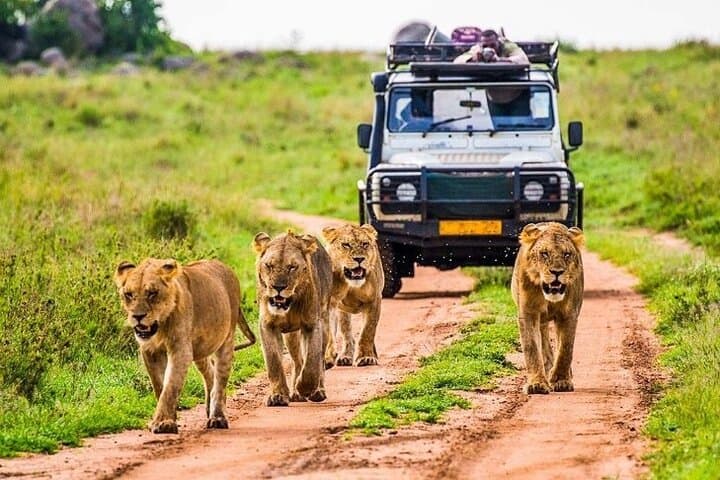
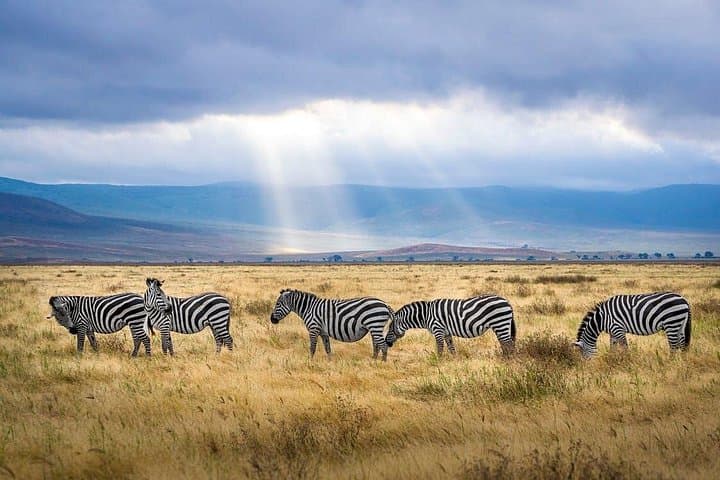
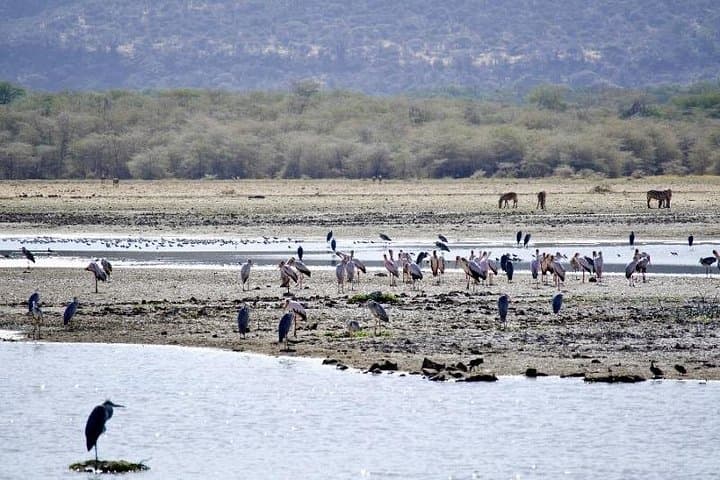
The real draw is the wildlife: one of Tanzania’s largest elephant populations, large herds of wildebeest and zebra, and over 500 bird species that reconfigure the sky. The Tarangire River acts like a magnet in the dry months, tugging herds and predators together.
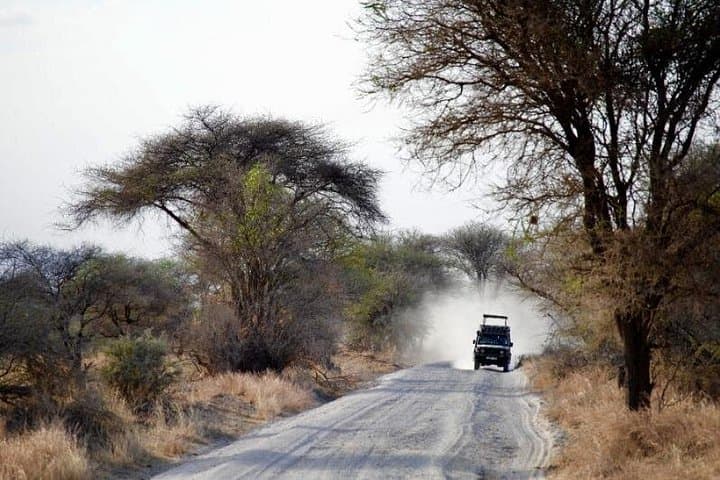
Practical guidance: this is a full-day, vehicle-based game drive (about 10 hours from Arusha including transfers). Start at first light for the best sightings, bring a pair of binoculars and a camera with a telephoto lens, and wear sun protection and breathable layers. Expect dusty roads; the guide will handle navigation and park permits (park fees and lunch are typically included). Stay patient and quiet at sightings, keep windows partly closed to limit dust, and carry at least 2 liters of water. If you want short nature walks, ask your guide in advance — they’re possible but brief and dependent on park rules. Tarangire rewards time and observation: sit with a herd, and the landscape will tell its story.
easy.
10 hours.
Suitable for most fitness levels; mostly vehicle-based with short, optional walks.
Typical tours are full-day excursions lasting about 10 hours including pick-up, transfer to the park, the game drive and return to Arusha.
Many operators include park fees, bottled water and lunch—confirm at booking; this particular trip lists park fees, meals and water as included.
Tarangire hosts one of Tanzania’s largest elephant populations and sightings are highly likely, especially in the dry season when animals concentrate around the river, but wildlife is never guaranteed.
Yes—this vehicle-based drive is suitable for most ages and fitness levels, though long periods in a vehicle may be challenging for some; check accessibility and pickup options with the operator.
Tarangire was protected to preserve its riverine corridor and migratory routes; the park was formally established in the 1970s to safeguard seasonal wildlife movements.
Visitor fees support park management and anti-poaching; stay on designated routes and follow your guide to minimize disturbance and protect fragile floodplain habitats.
Go With Me Photographic Safaris operates guided outdoor trips and adventures with an emphasis on safety, stewardship, and memorable experiences.
Dawn in Tarangire arrives slow and deliberate: a low sun pries gold across the riverine acacia, and elephant silhouettes move like weather across the plain. You sit in a sturdy Land Cruiser as the engine hums and the baobabs watch, the air dry and full of bird calls that challenge the quiet.
Dawn in Tarangire arrives slow and deliberate: a low sun pries gold across the riverine acacia, and elephant silhouettes move like weather across the plain. You sit in a sturdy Land Cruiser as the engine hums and the baobabs watch, the air dry and full of bird calls that challenge the quiet.
Tarangire National Park was established to protect the Tarangire River corridor and the seasonal migrations that depend on it. Geologically the park is shaped by ancient river floodplains, alkaline swamps and rolling savanna — features that concentrate wildlife when the dry season tightens. Maasai communities graze cattle around the park edges; their presence is part of the human geography visitors will notice.
The real draw is the wildlife: one of Tanzania’s largest elephant populations, large herds of wildebeest and zebra, and over 500 bird species that reconfigure the sky. The Tarangire River acts like a magnet in the dry months, tugging herds and predators together.
Practical guidance: this is a full-day, vehicle-based game drive (about 10 hours from Arusha including transfers). Start at first light for the best sightings, bring a pair of binoculars and a camera with a telephoto lens, and wear sun protection and breathable layers. Expect dusty roads; the guide will handle navigation and park permits (park fees and lunch are typically included). Stay patient and quiet at sightings, keep windows partly closed to limit dust, and carry at least 2 liters of water. If you want short nature walks, ask your guide in advance — they’re possible but brief and dependent on park rules. Tarangire rewards time and observation: sit with a herd, and the landscape will tell its story.