THE ADVENTURE COLLECTIVE® · Independent discovery and booking for outdoor travel

Join a keeper for a short, interpretive wander through Devils@Cradle and observe Tasmanian devils in daylight. This focused tour pairs close viewing with conservation context and practical insight into the species’ recovery efforts.
Join a keeper for a short, interpretive wander through Devils@Cradle and observe Tasmanian devils in daylight. This focused tour pairs close viewing with conservation context and practical insight into the species’ recovery efforts.
Morning light slices through alpine eucalypts as a keeper leads the group through open enclosures and shady gullies. The animals move with blunt, purposeful energy—lounging in dens, pawing at leaf litter, or engaging in brief, boisterous play. The tour places visitors at eye level with the devils’ daytime habits, a quiet classroom where behavior replaces spectacle.
Verified experiences and guided adventures in the surrounding area.
Operated by Devils@Cradle · Cradle Mountain, Tasmania
Morning light slices through alpine eucalypts as a keeper leads the group through open enclosures and shady gullies. The animals move with blunt, purposeful energy—lounging in dens, pawing at leaf litter, or engaging in brief, boisterous play. The tour places visitors at eye level with the devils’ daytime habits, a quiet classroom where behavior replaces spectacle.
The site sits on the edge of Cradle Mountain–Lake St Clair country, a landscape carved by ice and time with dolerite columns and glacial cirques that shape local drainage and vegetation. Devils@Cradle grew from conservation urgency: Tasmanian devils face facial tumor disease, and sanctuaries here contribute to captive breeding, behavioral study, and public education. The tour weaves natural history with local cultural notes—ranger science, community-led recovery projects, and the island’s colonial and Aboriginal land stories.
Expect a relaxed 45–60 minute walk on mostly flat but sometimes uneven paths; signage, keeper commentary, and close viewing points are standard. The keepers explain feeding, enrichment, and how research informs release programs, so visitors gain context as well as photographs. Photography is allowed but keepers ask for low noise and no sudden movements to reduce animal stress.
Practicalities: dress for changeable mountain weather, bring a rain layer and sturdy footwear, and arrive early for clearer light and quieter animal activity. The tour is accessible, family-friendly, and runs in all weather; cancellation rules typically require 24‑hour notice for refunds. This is a short, informative encounter designed to educate, not to handle wildlife—ideal for travelers who want conservation insight paired with up-close wildlife viewing.
easy.
45–60 minutes.
Suitable for all fitness levels; involves short, gentle walking with occasional steps
The tour runs about 45–60 minutes and focuses on a relaxed walk through the sanctuary with keeper commentary.
Yes—paths and viewing platforms are designed for accessibility, though some surfaces may be uneven; contact staff for specific accommodations.
Photography is welcome but flash, leaning over barriers, or loud noises that could disturb animals are not permitted.
Yes; children must be supervised by an adult and are welcome on the tour.
The sanctuary supports regional conservation programs born from efforts to protect Tasmanian devils after the emergence of a transmissible facial tumor disease.
Work here focuses on captive breeding, behavioral enrichment, and public education to reduce disease impacts and support eventual reintroductions.
Devils@Cradle operates guided outdoor trips and adventures with an emphasis on safety, stewardship, and memorable experiences.
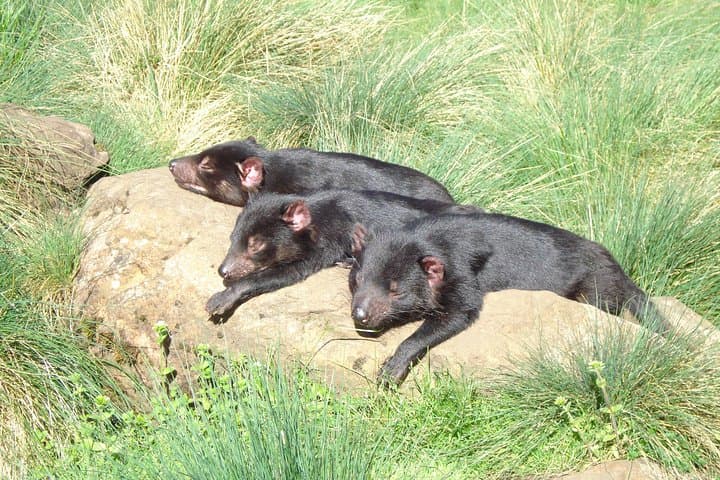
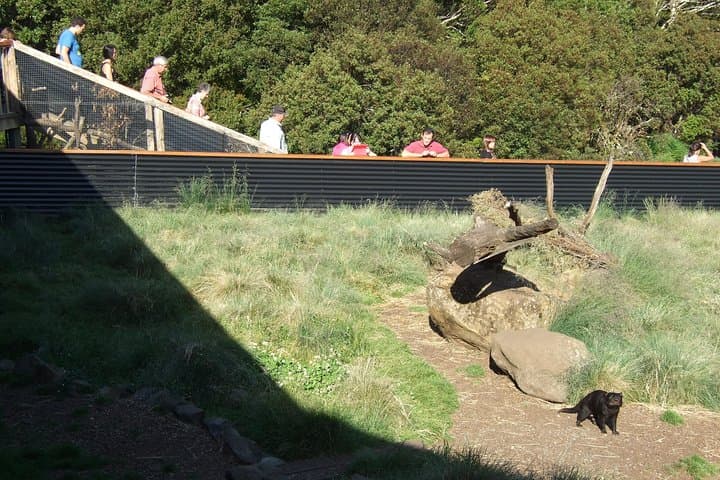
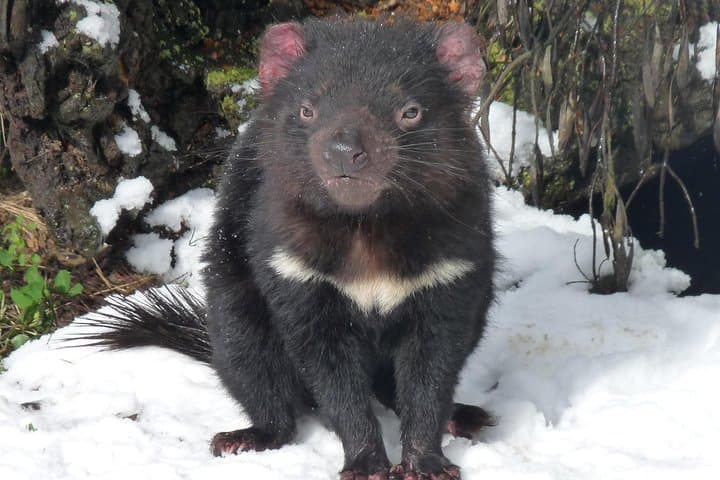
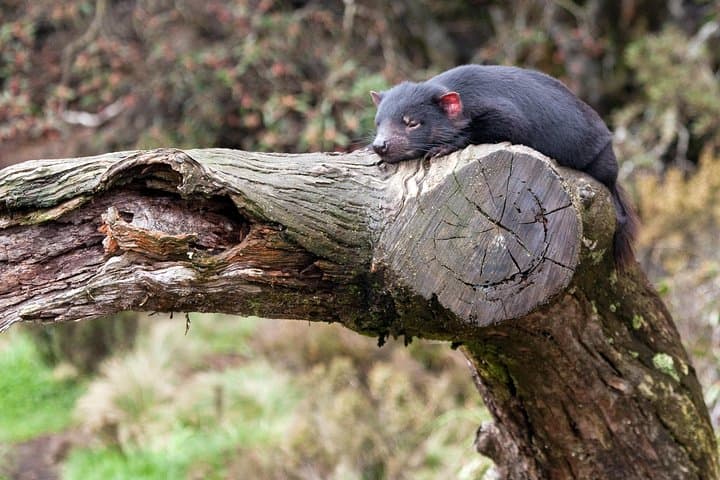
Morning light slices through alpine eucalypts as a keeper leads the group through open enclosures and shady gullies. The animals move with blunt, purposeful energy—lounging in dens, pawing at leaf litter, or engaging in brief, boisterous play. The tour places visitors at eye level with the devils’ daytime habits, a quiet classroom where behavior replaces spectacle.
Morning light slices through alpine eucalypts as a keeper leads the group through open enclosures and shady gullies. The animals move with blunt, purposeful energy—lounging in dens, pawing at leaf litter, or engaging in brief, boisterous play. The tour places visitors at eye level with the devils’ daytime habits, a quiet classroom where behavior replaces spectacle.
The site sits on the edge of Cradle Mountain–Lake St Clair country, a landscape carved by ice and time with dolerite columns and glacial cirques that shape local drainage and vegetation. Devils@Cradle grew from conservation urgency: Tasmanian devils face facial tumor disease, and sanctuaries here contribute to captive breeding, behavioral study, and public education. The tour weaves natural history with local cultural notes—ranger science, community-led recovery projects, and the island’s colonial and Aboriginal land stories.
Expect a relaxed 45–60 minute walk on mostly flat but sometimes uneven paths; signage, keeper commentary, and close viewing points are standard. The keepers explain feeding, enrichment, and how research informs release programs, so visitors gain context as well as photographs. Photography is allowed but keepers ask for low noise and no sudden movements to reduce animal stress.
Practicalities: dress for changeable mountain weather, bring a rain layer and sturdy footwear, and arrive early for clearer light and quieter animal activity. The tour is accessible, family-friendly, and runs in all weather; cancellation rules typically require 24‑hour notice for refunds. This is a short, informative encounter designed to educate, not to handle wildlife—ideal for travelers who want conservation insight paired with up-close wildlife viewing.