THE ADVENTURE COLLECTIVE® · Independent discovery and booking for outdoor travel

Travel inland from Marbella or Estepona into Andalucía’s green hills, limestone ridges and white villages on guided dayhikes. Small groups, hotel pickup, and routes that reveal Roman, Moorish and prehistoric traces make these walks both scenic and culturally rich.
Travel inland from Marbella or Estepona into Andalucía’s green hills, limestone ridges and white villages on guided dayhikes. Small groups, hotel pickup, and routes that reveal Roman, Moorish and prehistoric traces make these walks both scenic and culturally rich.
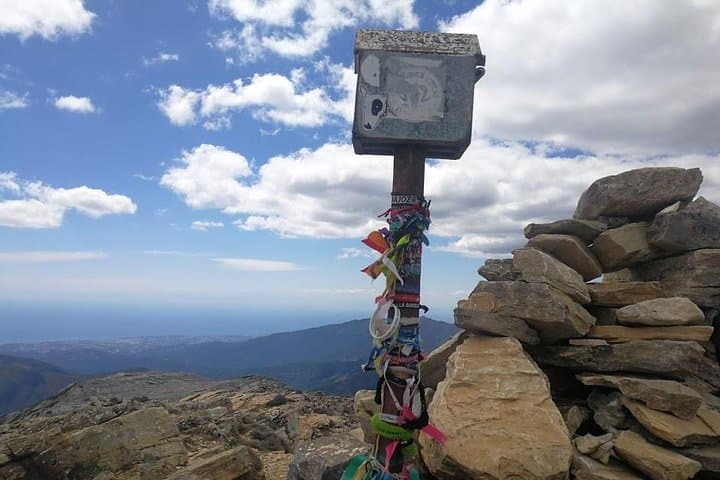
The van eases out of the coastal heat and the road climbs into scrub and pine; by the time the group steps onto the trail the sea has receded to a pale line on the horizon and the hinterland’s stone walls and cork oaks take over. A guide sorts maps and water bottles while walkers fall into a steady rhythm—footsteps, birdsong, the occasional chime of goat bells—moving through valleys cut by seasonal streams and across ridgelines that look south toward Africa.
Verified experiences and guided adventures in the surrounding area.
Operated by SUR walks · Marbella, Andalusia
The van eases out of the coastal heat and the road climbs into scrub and pine; by the time the group steps onto the trail the sea has receded to a pale line on the horizon and the hinterland’s stone walls and cork oaks take over. A guide sorts maps and water bottles while walkers fall into a steady rhythm—footsteps, birdsong, the occasional chime of goat bells—moving through valleys cut by seasonal streams and across ridgelines that look south toward Africa.
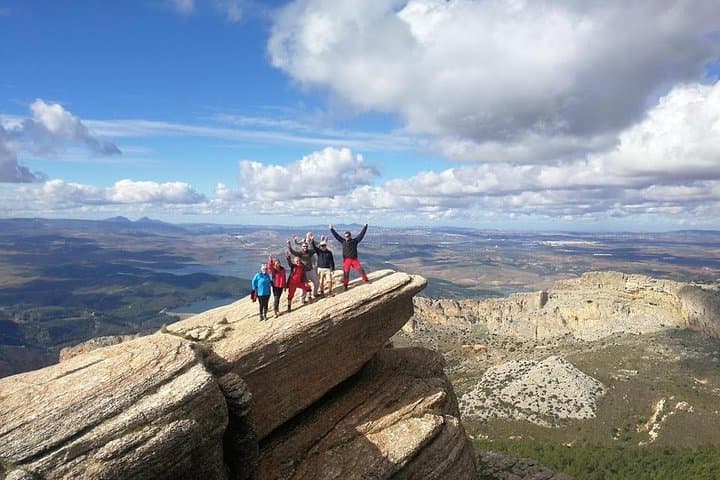
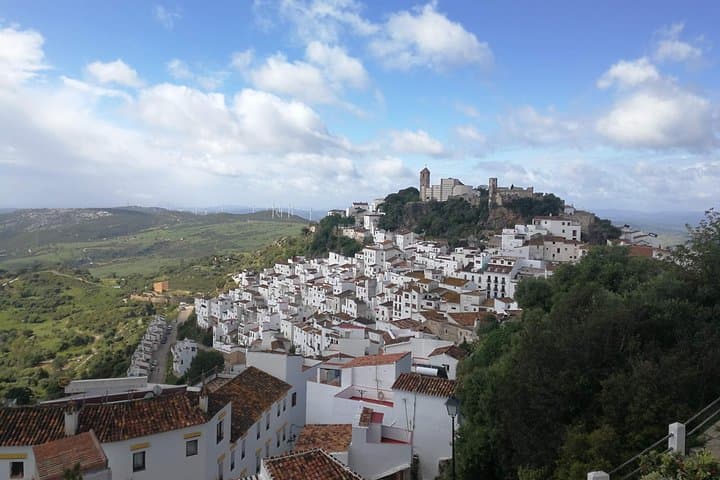
Geology here is honest and exposed: limestone escarpments, karst caves and jagged outcrops formed by millennia of uplift and erosion. The cultural layers are close at hand too—Roman ruins, Moorish castle keeps and white pueblo architecture testify to centuries of human passage and agricultural terraces. Local villages still center on a small square where tapas and chatter close the day.
Expect varied routes: gentle valley strolls and moderate ridge hikes depending on the day, generally led in small groups (max 8) with hotel pickup from Marbella or Estepona. Trails can be rocky and exposed—shoe grip and sun protection matter. Wildlife is watchful rather than intrusive; keep distance from birds of prey and mountain goats. Hikes finish often in a village bar for optional tapas and a chance to talk with locals.
Practical: arrive prepared for sun, sudden wind and uneven terrain; carry 1.5–2.5 L of water, layered clothing, and small cash for tapas. If you have mobility limits or heart conditions, check with the operator—routes vary in difficulty. With a good guide, these dayhikes are the most direct way to understand ‘real’ inland Andalusia.
moderate.
6–9 hours (including transfers and breaks).
Suitable for walkers with regular activity; expect sustained uphill sections and rocky descents—basic endurance required.
Pickup is provided from hotels in Marbella and Estepona, typically around 9:00 AM—exact time confirmed at booking.
Routes range from easy valley walks to moderate ridge hikes; the operator notes which days are easier or more challenging—ask ahead if you have concerns.
National park fees and hotel transfers are included, but tapas or lunches in village bars are usually not included—bring cash for food or snacks.
Full refund is available if you cancel at least 24 hours before departure; check the booking for details and exceptions.
Trails cross landscapes shaped by Roman settlement and Moorish agricultural systems; many villages retain Andalusian white-washed architecture and castle ruins.
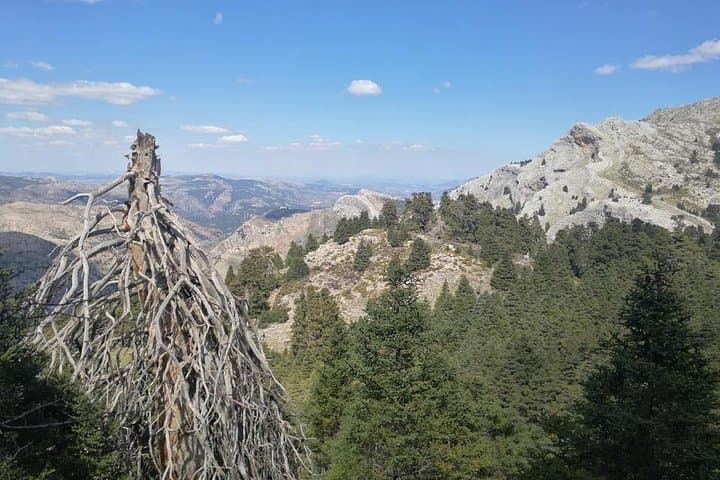
Routes often pass through protected areas such as Sierra de las Nieves and nearby natural parks—stay on trails, pack out waste and respect grazing areas.
SUR walks operates guided outdoor trips and adventures with an emphasis on safety, stewardship, and memorable experiences.
The van eases out of the coastal heat and the road climbs into scrub and pine; by the time the group steps onto the trail the sea has receded to a pale line on the horizon and the hinterland’s stone walls and cork oaks take over. A guide sorts maps and water bottles while walkers fall into a steady rhythm—footsteps, birdsong, the occasional chime of goat bells—moving through valleys cut by seasonal streams and across ridgelines that look south toward Africa.
The van eases out of the coastal heat and the road climbs into scrub and pine; by the time the group steps onto the trail the sea has receded to a pale line on the horizon and the hinterland’s stone walls and cork oaks take over. A guide sorts maps and water bottles while walkers fall into a steady rhythm—footsteps, birdsong, the occasional chime of goat bells—moving through valleys cut by seasonal streams and across ridgelines that look south toward Africa.
Geology here is honest and exposed: limestone escarpments, karst caves and jagged outcrops formed by millennia of uplift and erosion. The cultural layers are close at hand too—Roman ruins, Moorish castle keeps and white pueblo architecture testify to centuries of human passage and agricultural terraces. Local villages still center on a small square where tapas and chatter close the day.
Expect varied routes: gentle valley strolls and moderate ridge hikes depending on the day, generally led in small groups (max 8) with hotel pickup from Marbella or Estepona. Trails can be rocky and exposed—shoe grip and sun protection matter. Wildlife is watchful rather than intrusive; keep distance from birds of prey and mountain goats. Hikes finish often in a village bar for optional tapas and a chance to talk with locals.
Practical: arrive prepared for sun, sudden wind and uneven terrain; carry 1.5–2.5 L of water, layered clothing, and small cash for tapas. If you have mobility limits or heart conditions, check with the operator—routes vary in difficulty. With a good guide, these dayhikes are the most direct way to understand ‘real’ inland Andalusia.