THE ADVENTURE COLLECTIVE® · Independent discovery and booking for outdoor travel

A compact, rewarding day hike from Kathmandu to Phulchoki combines high-elevation views with rich birdlife and a stop at Godawari Botanical Garden. Expect steep forest trails, about 6 hours of walking, and panoramic valley vistas from the summit.
A compact, rewarding day hike from Kathmandu to Phulchoki combines high-elevation views with rich birdlife and a stop at Godawari Botanical Garden. Expect steep forest trails, about 6 hours of walking, and panoramic valley vistas from the summit.
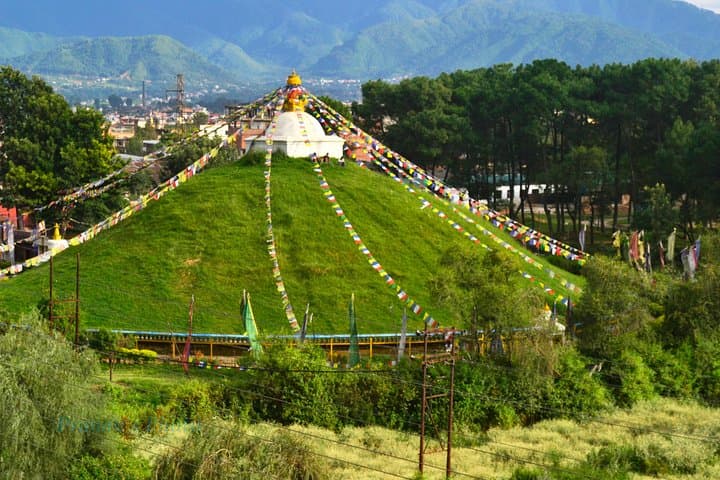
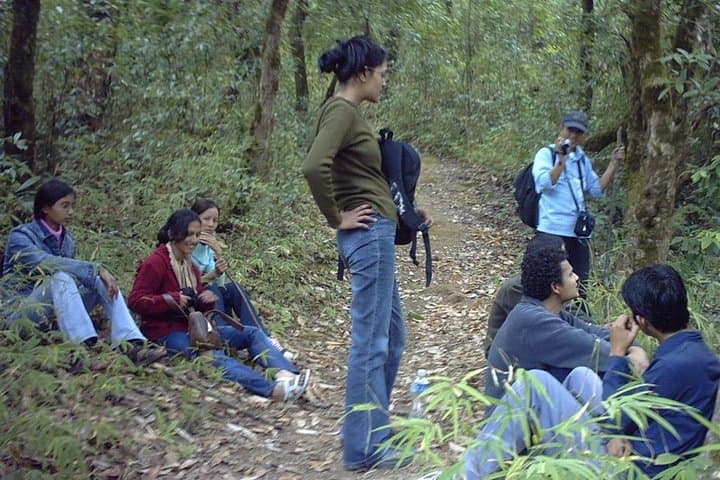
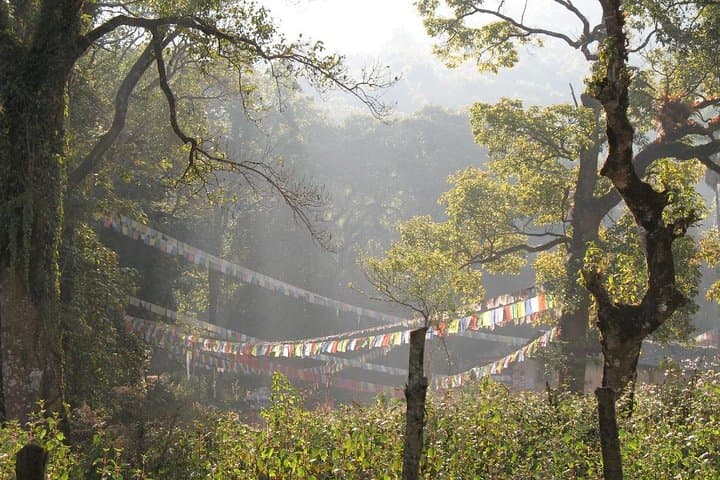
A damp trail winds upward through moss-dark forest as the valley falls away, and by mid-morning the skyline opens: terraced slopes give way to the broad sweep of Kathmandu below and the distant ridges of the Annapurna foothills. That’s the rhythm of a Phulchoki day hike — a steady climb through mixed oak and rhododendron to one of the highest points ringing Kathmandu Valley.
Verified experiences and guided adventures in the surrounding area.
Operated by Osho world Adventure · Kathmandu, Bagmati Province
A damp trail winds upward through moss-dark forest as the valley falls away, and by mid-morning the skyline opens: terraced slopes give way to the broad sweep of Kathmandu below and the distant ridges of the Annapurna foothills. That’s the rhythm of a Phulchoki day hike — a steady climb through mixed oak and rhododendron to one of the highest points ringing Kathmandu Valley.
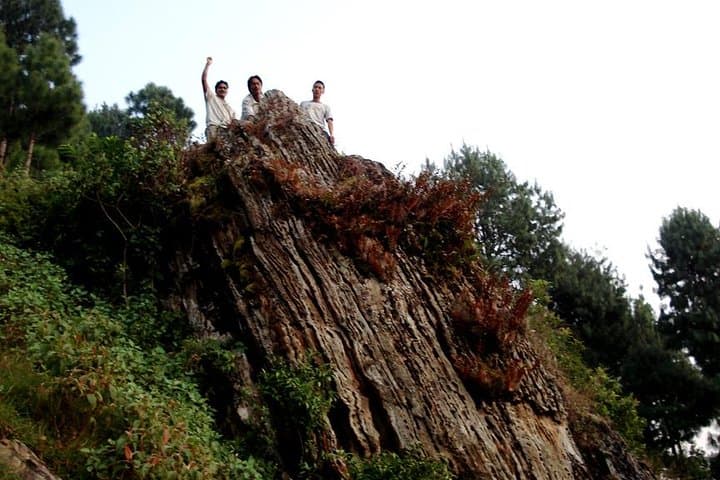
Phulchoki’s slope records both natural and human history: it serves as an important birding ridge and long-held pilgrimage ground, with small temples and seasonal flower groves that gave the hill its name. Geologically the hill is part of the Lesser Himalaya, composed of older metamorphic rock that shapes steep, well-drained ridgelines and narrow valleys. Culturally, villages around Godawari maintain horticultural traditions; Godawari Botanical Garden at the trailhead reflects that link between local livelihoods and landscape stewardship.
Expect roughly 10 km round-trip with about 1,000–1,300 m of elevation gain depending on route, on dirt tracks, stone steps and occasional jeep tracks. The trail is rich in birdlife — Rufous-bellied Niltava and Red-billed Leiothrix are commonly heard — and can be slippery in monsoon months. Practical planning: start early to avoid mid-day heat and traffic in Kathmandu, pack layers for summit winds, and bring a small first aid kit and water filter. Guides on local tours handle park entry and transport; respect trail markers, carry out waste, and plan a relaxed pace to enjoy the views and birdwatching opportunities.
moderate.
6 hours.
Suitable for hikers with steady cardiovascular fitness; expect sustained uphill walking and several hours of continuous ascent.
Most itineraries from Godawari are about 8–12 km round-trip with roughly 1,000–1,300 m of elevation gain; total time is around 5–7 hours including breaks.
There is an entry fee for the protected area; organized day tours typically include park entry and transport in the price.
The route is suitable for reasonably active beginners if paced conservatively; children should be prepared for sustained uphill walking and uneven surfaces.
Spring (March–May) and autumn (September–November) offer the best combination of bird activity and clear mountain views; avoid heavy monsoon rains in summer if possible.
Phulchoki has long been a local pilgrimage and botanical area; the hill and adjacent Godawari have historic temples and horticultural gardens used by Kathmandu residents.
The area faces pressure from informal trails and litter; stick to official paths, carry out waste, and hire local guides to support community-based conservation.
Osho world Adventure operates guided outdoor trips and adventures with an emphasis on safety, stewardship, and memorable experiences.
A damp trail winds upward through moss-dark forest as the valley falls away, and by mid-morning the skyline opens: terraced slopes give way to the broad sweep of Kathmandu below and the distant ridges of the Annapurna foothills. That’s the rhythm of a Phulchoki day hike — a steady climb through mixed oak and rhododendron to one of the highest points ringing Kathmandu Valley.
A damp trail winds upward through moss-dark forest as the valley falls away, and by mid-morning the skyline opens: terraced slopes give way to the broad sweep of Kathmandu below and the distant ridges of the Annapurna foothills. That’s the rhythm of a Phulchoki day hike — a steady climb through mixed oak and rhododendron to one of the highest points ringing Kathmandu Valley.
Phulchoki’s slope records both natural and human history: it serves as an important birding ridge and long-held pilgrimage ground, with small temples and seasonal flower groves that gave the hill its name. Geologically the hill is part of the Lesser Himalaya, composed of older metamorphic rock that shapes steep, well-drained ridgelines and narrow valleys. Culturally, villages around Godawari maintain horticultural traditions; Godawari Botanical Garden at the trailhead reflects that link between local livelihoods and landscape stewardship.
Expect roughly 10 km round-trip with about 1,000–1,300 m of elevation gain depending on route, on dirt tracks, stone steps and occasional jeep tracks. The trail is rich in birdlife — Rufous-bellied Niltava and Red-billed Leiothrix are commonly heard — and can be slippery in monsoon months. Practical planning: start early to avoid mid-day heat and traffic in Kathmandu, pack layers for summit winds, and bring a small first aid kit and water filter. Guides on local tours handle park entry and transport; respect trail markers, carry out waste, and plan a relaxed pace to enjoy the views and birdwatching opportunities.